Discover Resources
Browse curated homeschool resources from the community
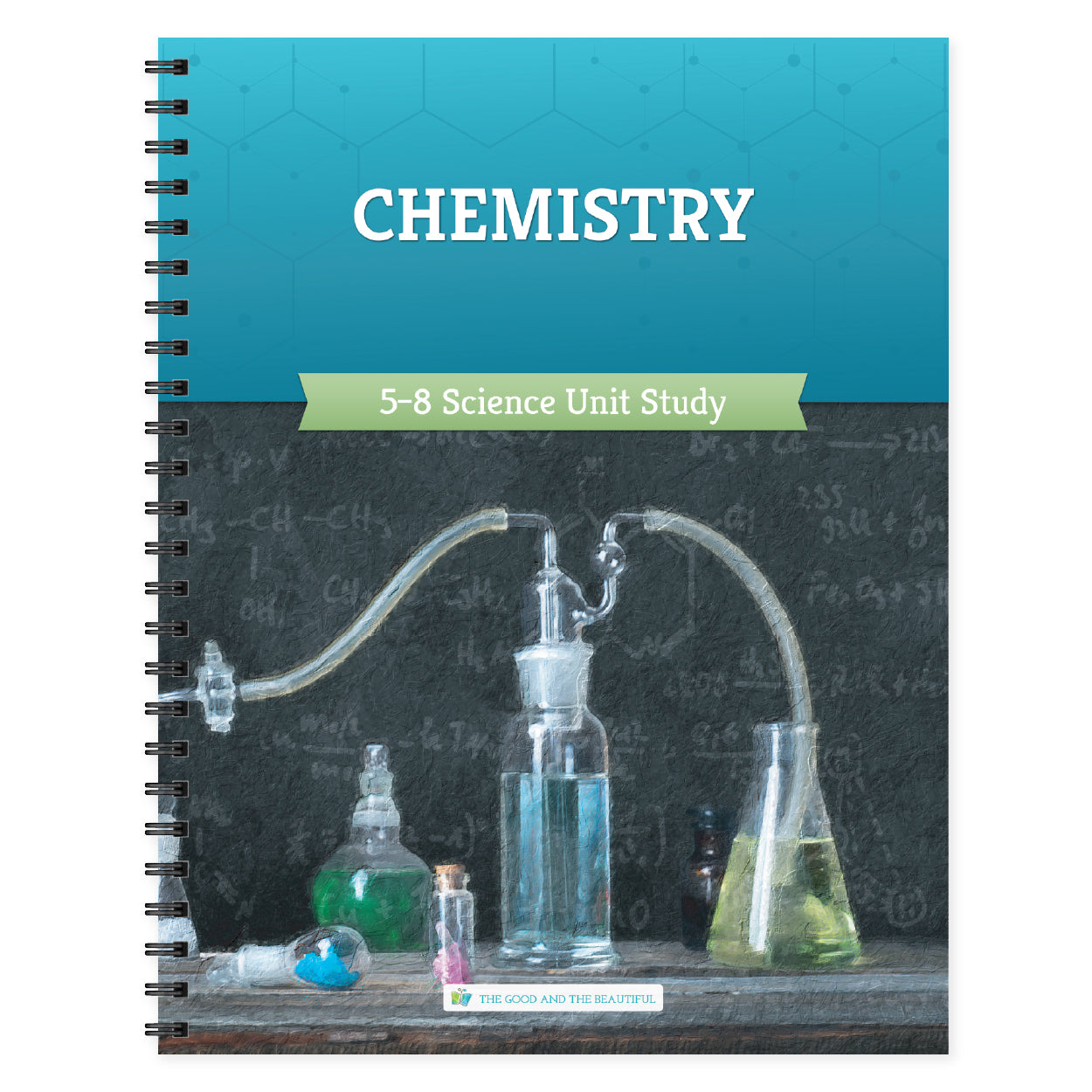
The Good and the Beautiful Chemistry
The full-color course book guides the parent through each lesson in the Chemistry science course. Hands-on activities, engaging videos, vocabulary words, beautiful illustrations and images, along with engaging information is found throughout the course. Once you gather any simple lesson supplies, the lessons are open-a

Encyclopedic Entry: Food Web
A food web consists of all the food chains in a single ecosystem.

The Greek Myth of Talos the First Robot Adrienne Mayor
Hephaestus, god of technology, was hard at work on his most ingenious invention yet. He was creating a new defense system for King Minos, who wanted fewer intruders on his island kingdom of Crete. But mortal guards and ordinary weapons wouldn’t suffice, so the visionary god devised an indomitable new defender. Adrienna Mayor dives into the myth of Talos: the first robot.
Inside Okcupid the Math of Online Dating Christian Rudder
When two people join a dating website, they are matched according to shared interests and how they answer a number of personal questions. But how do sites calculate the likelihood of a successful relationship? Christian Rudder, one of the founders of popular dating site OKCupid, details the algorithm behind 'hitting it off.'
The High Stakes Race to Make Quantum Computers Work Chiara Decaroli
Quantum computers could eventually outstrip the computational limits of classical computers. They rely on the behavior of atomic and subatomic particles, whose quantum states are incredibly fragile and easily destroyed— which is why this technology remains largely theoretical. How would quantum computers work, and are they really possible? Chiara Decaroli investigates.

Does Grammar Matter Andreea s Calude
It can be hard sometimes, when speaking, to remember all of the grammatical rules that guide us when we’re writing. When is it right to say “the dog and me” and when should it be “the dog and I”? Does it even matter? Andreea S. Calude dives into the age-old argument between linguistic prescriptivists and descriptivists — who have two very different opinions on the matter.

TED-Ed: Why Do Airlines Sell Too Many Tickets?
Have you ever sat in a doctor’s office for hours, despite having an appointment? Has a hotel turned down your reservation because it’s full? Have you been bumped off a flight that you paid for? These are all symptoms of overbooking, a practice where businesses sell or book more than their capacity. So why do they do it? Nina Klietsch explains the math behind this frustrating practice.
TED-Ed: How Does the Stock Market Work? (Talk)
In the 1600s, the Dutch East India Company employed hundreds of ships to trade goods around the globe. In order to fund their voyages, the company turned to private citizens to invest money to support trips in exchange for a share of the profits. In doing so, they unknowingly invented the world’s first stock market. So how do companies and investors use the market today? Oliver Elfenbaum explains.

TED-Ed: What Causes an Economic Recession?
For millennia, the people of Britain had been using bronze to make tools and jewelry, and as a currency for trade. But around 800 BCE, that began to change: the value of bronze declined, causing social upheaval and an economic crisis— what we would call a recession today. So what causes recessions? Richard Coffin digs into the economic fluctuations that affect our modern markets.
The Audacity Behind the Louisiana Purchase Judy Walton
When the French offered up the Louisiana Territory, Thomas Jefferson knew this real estate deal was too good to pass up. How did the President justify the purchase that doubled the size of the United States? Judy Walton provides President Jefferson's reasoning.

Dark Matter the Matter We Can T See James Gillies
The Greeks had a simple and elegant formula for the universe: just earth, fire, wind, and water. Turns out there's more to it than that -- a lot more. Visible matter (and that goes beyond the four Greek elements) comprises only 4% of the universe. CERN scientist James Gillies tells us what accounts for the remaining 96% (dark matter and dark energy) and how we might go about detecting it.