article
Resources
View all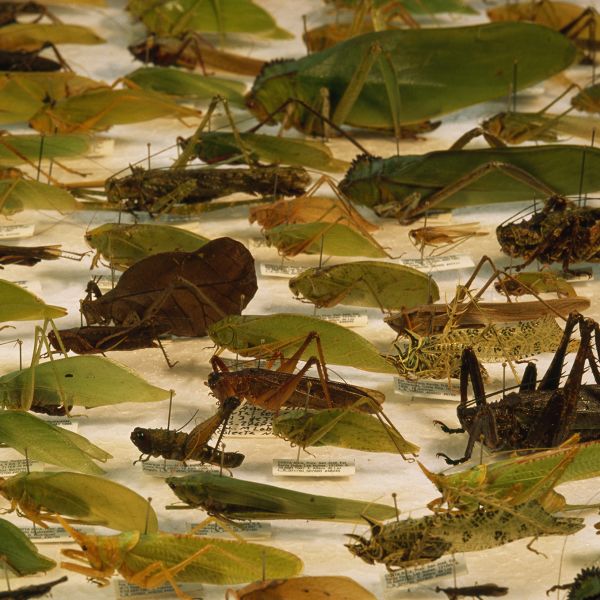
Encyclopedic Entry: Biodiversity
Biodiversity refers to the variety of living species on Earth, including plants, animals, bacteria and fungi. While Earth’s biodiversity is so rich that many species have yet to be discovered, many species are being threatened with extinction due to human activities, putting the Earth’s magnificent biodiversity at risk.

Encyclopedic Entry: Geography
Geography is the study of places and the relationships between people and their environments.
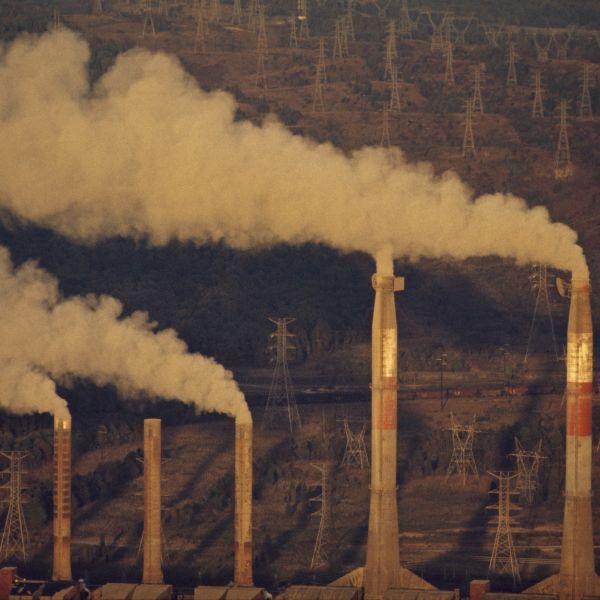
Encyclopedic Entry: Global Warming
The causes, effects and complexities of global warming are important to understand so that we can fight for the health of our planet.
Encyclopedic Entry: Pollution
Pollution is the introduction of harmful materials into the environment. These harmful materials are called pollutants.
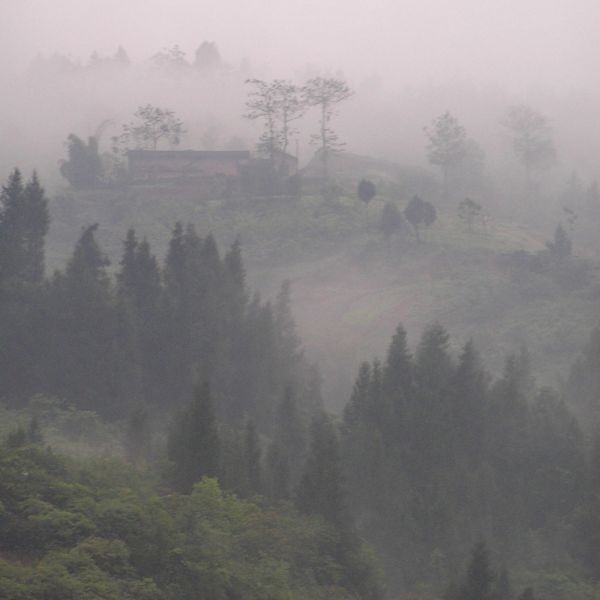
Encyclopedic Entry: Air Pollution
Air pollution consists of chemicals or particles in the air that can harm the health of humans, animals and plants. It can even damage buildings.
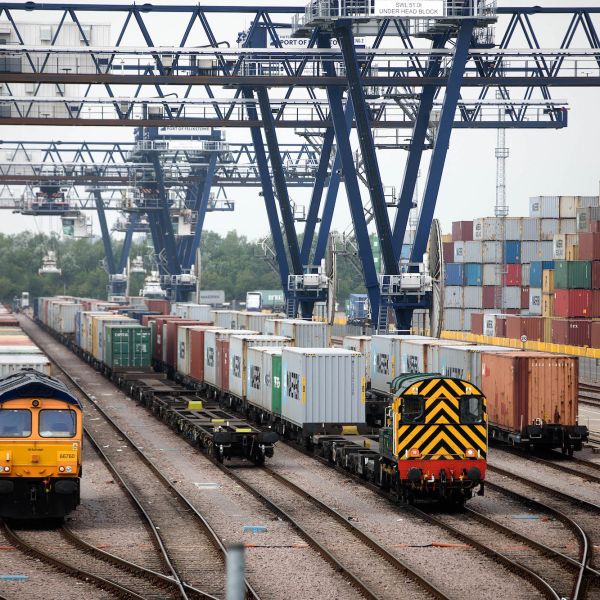
Encyclopedic Entry: Globalization
Globalization is a term used to describe the increasing connectedness and interdependence of world cultures and economies.
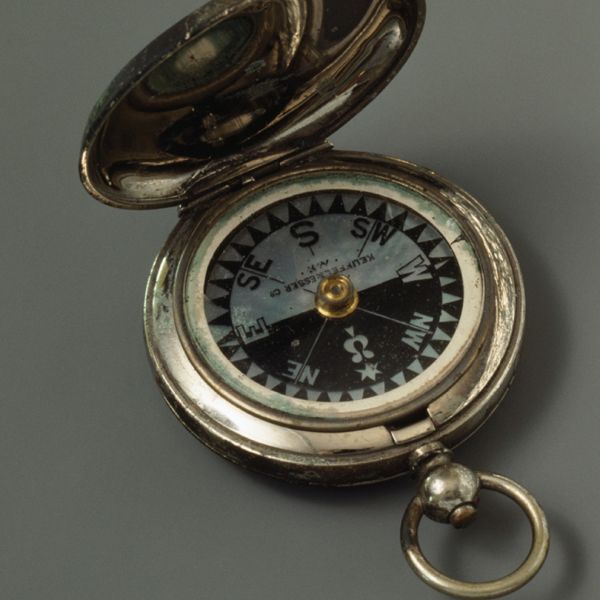
Encyclopedic Entry: Compass
A compass is a device that indicates direction. It is one of the most important instruments for navigation.
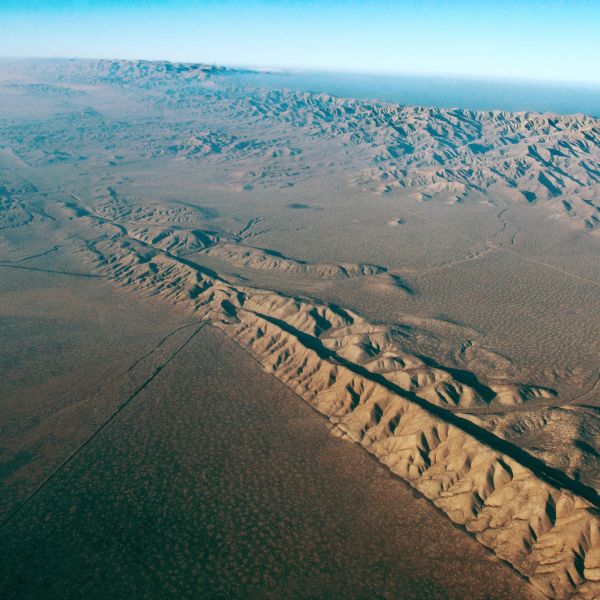
Encyclopedic Entry: Plate Tectonics
The theory of plate tectonics revolutionized the earth sciences by explaining how the movement of geologic plates causes mountain building, volcanoes, and earthquakes.
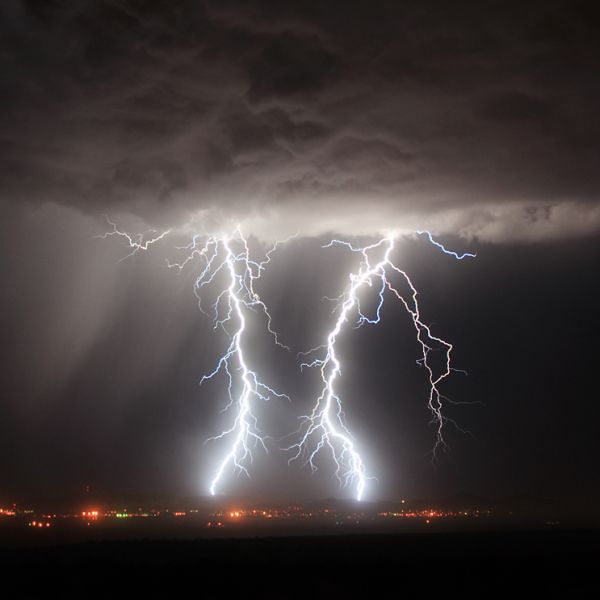
Encyclopedic Entry: Weather
One of the first things you probably do every morning is look out the window to see what the weather is like
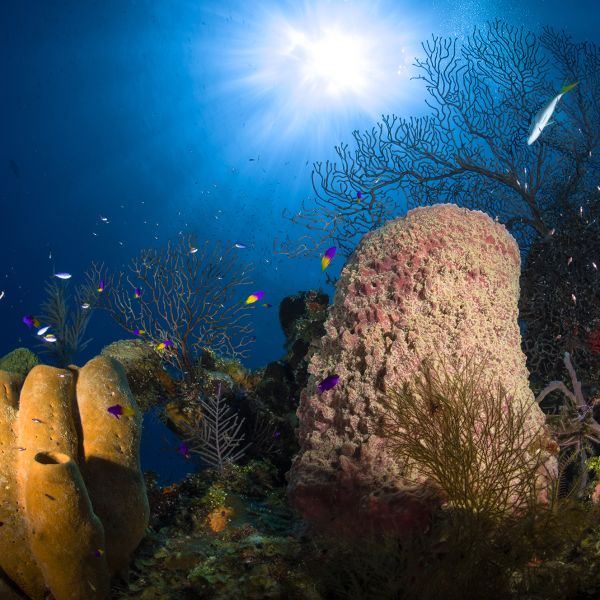
Encyclopedic Entry: Coral Reef
A reef is a ridge of material at or near the surface of the ocean. There are natural and artificial reefs.

Encyclopedic Entry: Erosion
Erosion is the geological process in which earthen materials are worn away and transported by natural forces such as wind or water.
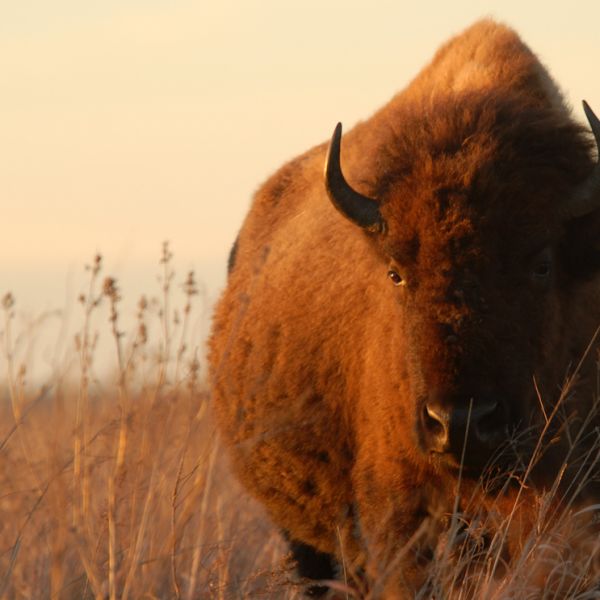
Encyclopedic Entry: Ecosystem
An ecosystem is a geographic area where plants, animals, and other organisms, as well as weather and landscapes, work together to form a bubble of life.
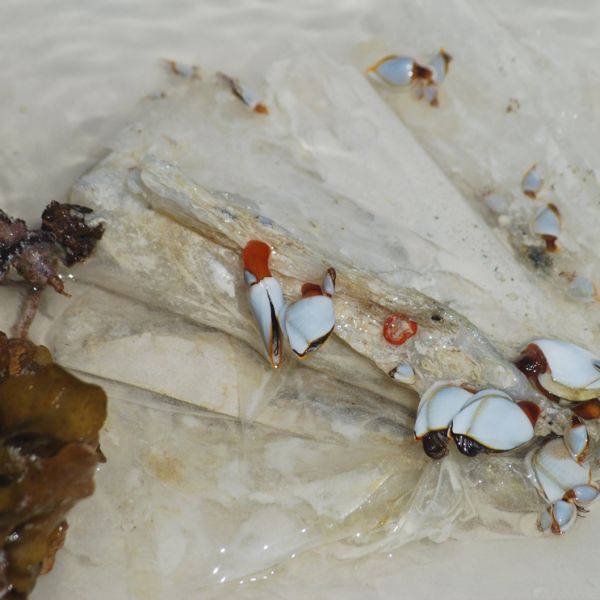
Encyclopedic Entry: Great Pacific Garbage Patch
The Great Pacific Garbage Patch is a collection of marine debris in the North Pacific. Marine debris is litter that ends up in the ocean, seas, and other large bodies of water.