Discover Resources
Browse curated homeschool resources from the community

TED-Ed: The Carbon Cycle
What exactly is the carbon cycle? Nathaniel Manning provides a basic look into the cyclical relationship of carbon, humans and the environment.

TED-Ed: How Do Tornadoes Form?
Tornadoes are the most violent storms on Earth, with wind velocities that can exceed 200 miles per hour. How do these terrifying cyclones form? Meteorologist James Spann sheds light on the lifespan of tornadoes as they go from supercell thunderstorms to terrible twisters before eventually dissolving back into thin air.

TED-Ed: What Is the Universe Made Of?
The atoms around you have existed for billions of years -- and most originated in the flaming, gaseous core of a star. Dennis Wildfogel tells the captivating tale of these atoms' long journeys from the Big Bang to the molecules they form today.

TED-Ed: Could We Actually Live on Mars?
There's a lot of talk these days about when and how we might all move to Mars. But what would it actually be like to live there? Mari Foroutan details the features of Mars that are remarkably similar to those of Earth — and those that can only be found on the red planet.

TED-Ed: What Happens to Plastic You Throw Away?
We’ve all been told that we should recycle plastic bottles and containers. But what actually happens to the plastic if we just throw it away? Emma Bryce traces the life cycles of three different plastic bottles, shedding light on the dangers these disposables present to our world.
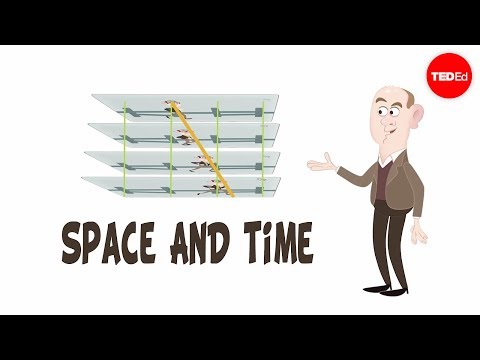
TED-Ed: The Fundamentals of Space-Time
Space is where things happen. Time is when things happen. And sometimes, in order to really look at the universe, you need to take those two concepts and mash them together. In this first lesson of a three-part series on space-time, hilarious hosts Andrew Pontzen and Tom Whyntie go through the basics of space and time individually, and use a flip book to illustrate how we can begin to look at them together.

TED-Ed: Why Is Biodiversity So Important?
Our planet’s diverse, thriving ecosystems may seem like permanent fixtures, but they’re actually vulnerable to collapse. Jungles can become deserts, and reefs can become lifeless rocks. What makes one ecosystem strong and another weak in the face of change? Kim Preshoff details why the answer, to a large extent, is biodiversity.

TED-Ed: Where Does Gold Come From?
Did you know that gold is extraterrestrial? Instead of arising from our planet’s rocky crust, it was actually cooked up in space and is present on Earth because of cataclysmic stellar explosions called supernovae. CERN Scientist David Lunney outlines the incredible journey of gold from space to Earth.

Could we survive prolonged space travel? - Lisa Nip
The biological challenges of long-distance space exploration.
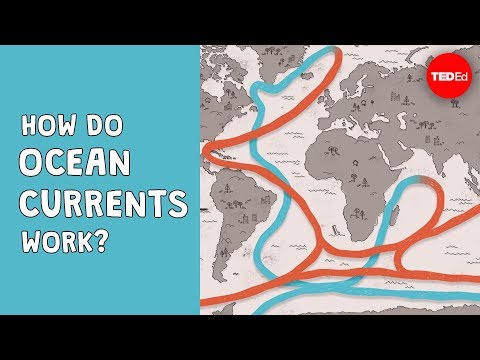
TED-Ed: How Do Ocean Currents Work?
In 1992, a cargo ship carrying bath toys got caught in a storm. Shipping containers washed overboard, and the waves swept 28,000 rubber ducks and other toys into the North Pacific. But they didn’t stick together -- the ducks have since washed up all over the world. How did this happen? Jennifer Verduin dives into the science of ocean currents.

TED-Ed: A Climate Change Solution Under Our Feet
There's two times more carbon in the Earth's soil than in all of its vegetation and the atmosphere — combined. Biogeochemist Asmeret Asefaw Berhe dives into the science of soil and shares how we could use its awesome carbon-trapping power to offset climate change.
The beginning of the universe, for beginners - Tom Whyntie
Learn about the Big Bang and the origins of everything.
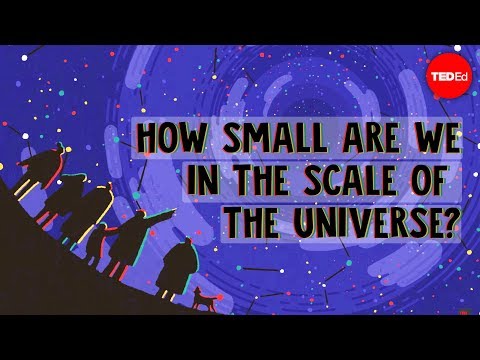
How Small Are We in the Scale of the Universe Alex Hofeldt
In 1995, scientists pointed the Hubble Telescope at an area of the sky near the Big Dipper. The location was apparently empty, and the whole endeavor was risky – what, if anything, was going to show up? But what came back was nothing short of spectacular: an image of over 1,500 galaxies glimmering in a tiny sliver of the universe. Alex Hofeldt helps us understand the scale of this image.


Why Should You Read Sci Fi Superstar Octavia E Butler Ayana Jamieson and Moya Bailey
Much science fiction features white male heroes who blast aliens or become saviors of brown people. Octavia E. Butler knew she could tell a better story. She built stunning worlds rife with diverse characters, and brought nuance and depth to the representation of their experiences. Ayana Jamieson and Moya Bailey dive into the works of the visionary storyteller who upended science fiction.

How Tsunamis Work Alex Gendler
The immense swell of a tsunami can grow up to 100 feet, hitting speeds over 500 mph -- a treacherous combination for anyone or anything in its path. Alex Gendler details the causes of these towering terrors and explains how scientists are seeking to reduce their destruction in the future.

Why Are There Two Tides a Day Elise Cutts
In the 17th century, Isaac Newton offered the first gravitational explanation of tides. As he correctly identified, tides are choreographed by the motions of celestial objects, and Earth’s tides in particular are mostly driven by the Moon. But the precise nature of this relationship is actually quite nuanced. Elise Cutts explains how the Sun and Moon are responsible for the tides.

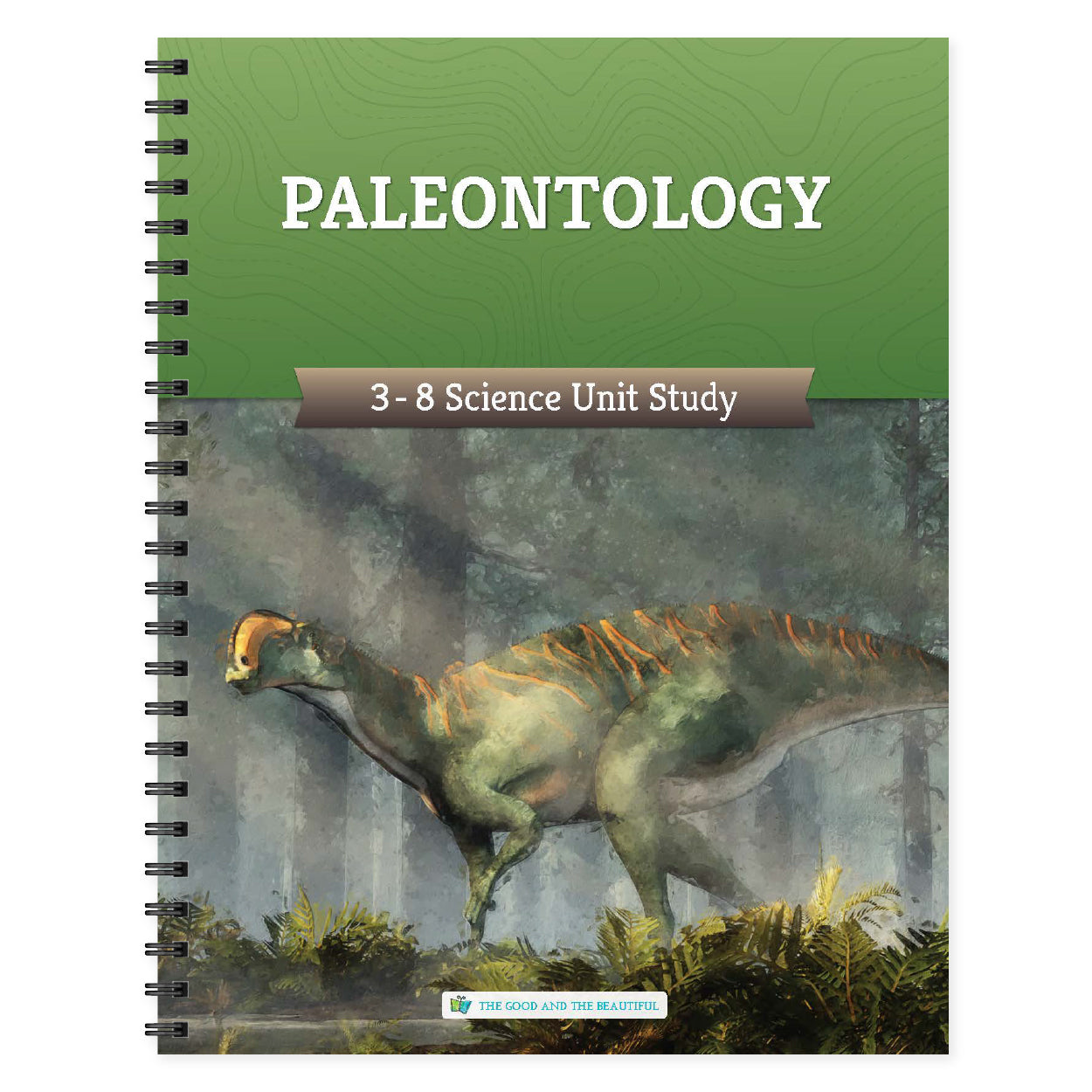
The Good and the Beautiful Paleontology
The full-color course book guides the parent through each lesson in the Paleontology science course. Hands-on activities, vocabulary words, engaging information, access to captivating videos, mini books, beautiful illustrations and images, and more are found throughout the course. Once you gather any simple lesson supp
Encyclopedic Entry: Pollution
Pollution is the introduction of harmful materials into the environment. These harmful materials are called pollutants.

Where Did Earth s Water Come from Zachary Metz
Water covers over 70% of the Earth, cycling from the oceans and rivers to the clouds and back again. It even makes up about 60% of our bodies. But in the rest of the solar system, liquid water is almost impossible to find. So how did our planet end up with so much of this substance? And where did it come from? Zachary Metz outlines the ancient origins of water on Earth.