Discover Resources
Browse curated homeschool resources from the community

Why Wasn T the Bill of Rights Originally in the Us Constitution James Coll
When you think of the US Constitution, what’s the first thing that comes to mind? Free speech? The right to bear arms? These passages are cited so often that it's hard to imagine the document without them. But the list of freedoms known as the Bill of Rights was not in the original text and wasn't added for three years. Why not? James Coll goes back to the origins of the Constitution to find out.

Sheryl Sandberg Why We Have Too Few Women Leaders
Facebook COO Sheryl Sandberg looks at why a smaller percentage of women than men reach the top of their professions -- and offers 3 powerful pieces of advice to women aiming for the C-suite. As the COO at the helm of Facebook, Sheryl Sandberg juggles the tasks of monetizing the world's largest social networking site while keeping its users happy and engaged.

Why Do Americans Vote on Tuesdays
Since 1845, Americans have been voting on Tuesdays -- but why? In this humorous talk, Jacob Soboroff shares the history of Election Day and shows how voting on a Tuesday affects voter turnout.
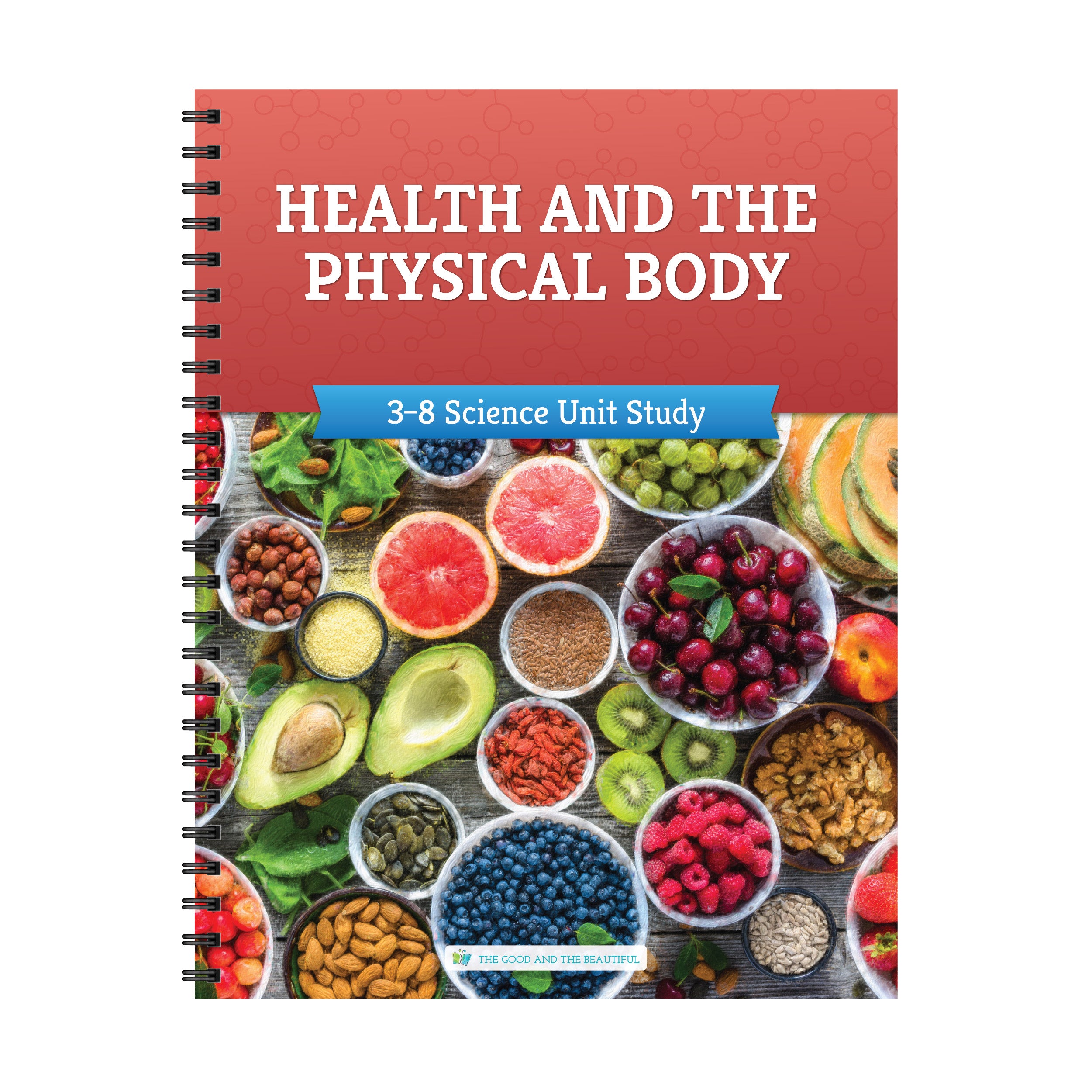
The Good and the Beautiful Health and the Physical Body
The full-color Course Book guides the parent through each lesson in the Health and the Physical Body science course. Hands-on activities, vocabulary words, access to captivating videos, mini books, beautiful illustrations and images, along with engaging information is found throughout the course. Once you gather any si
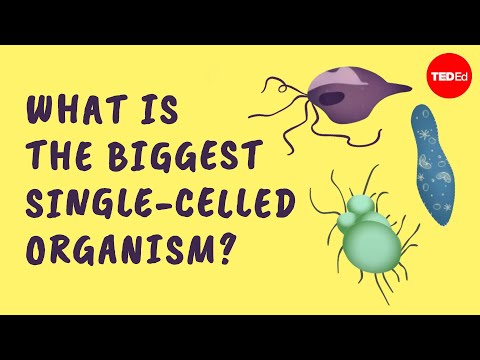
What is the Biggest Single Celled Organism Murry Gans
The elephant is a creature of epic proportions — and yet, it owes its enormity to more than 1,000 trillion microscopic cells. And on the epically small end of things, there are likely millions of unicellular species, yet there are very few we can see with the naked eye. Why is that? Why don’t we get unicellular elephants? Or blue whales? Or brown bears? Murry Gans explains.

The Unexpected Math of Origami Evan Zodl
Origami, which literally translates to “folding paper,” is a Japanese practice dating back to at least the 17th century. In origami, a single, traditionally square sheet of paper can be transformed into almost any shape, purely by folding. The same simple concepts yield everything from a paper crane with about 20 steps, to a dragon with over 1,000 steps. Evan Zodl explores the ancient art form.

The Game Changing Amniotic Egg April Tucker
350 million years ago, eggs could not survive far from water, therefore animals were water-bound. That is, until the amniotic egg, which allowed animals to live a fully terrestrial life. April Tucker peels back each layer of the amniotic egg, revealing how truly extraordinary this evolutionary marvel is.

Stories Legacies of Who We Are
Storyteller and educator Awele Makeba combines performing arts and history to tell a powerful story from the American civil rights movement.

How Folding Paper Can Get You to the Moon
Can folding a piece of paper 45 times get you to the moon? By seeing what happens when folding just one piece of paper, we see the unbelievable potential of exponential growth. This lesson will leave you wanting to grab a piece of paper to see how many times you can fold it! Lesson by Adrian Paenza, animation by TED-Ed.

Evolution in a Big City
Using newts, coyotes and mice, Jason Munshi-South shows how animals develop genetic differences in evolution, even within an urban city.
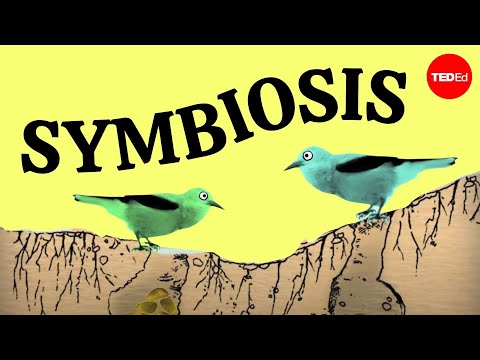
Symbiosis a Surprising Tale of Species Cooperation
Different species often depend on one another. David Gonzales describes the remarkable relationship of the Clark's nutcracker and the whitebark pine, to illustrate the interdependency known as symbiosis.
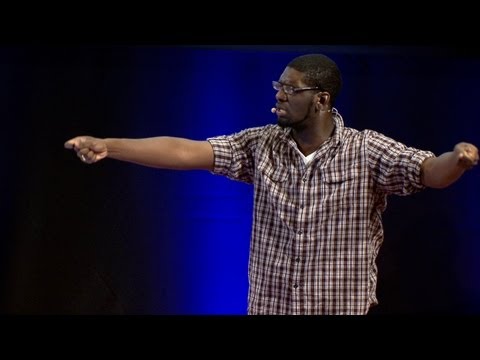
Poetic Stickup Put the Financial Aid in the Bag
At TEDYouth 2011, performance artist Carvens Lissaint shows how to use language, metaphor and imagery to express a powerful idea -- as in this spoken word performance, a stirring plea to make college education more accessible.
Smithsonian Libraries and Archives
The world's largest museum library system – serving the Smithsonian Institution, the American people, and the world.

Encyclopedic Entry: Renewable Energy
Renewable energy comes from sources that will not be used up in our lifetimes, such as the sun and wind.

What Happened When These 6 Dictators Took Over Stephanie Honchell Smith
Under certain conditions, the idea of a dictator can sound appealing, like when a democracy isn’t functioning as it should due to corruption or political polarization. People may believe the solution is a "benevolent dictator"— a leader who only uses their absolute power for the common good. But can such a leader actually exist in today’s world? Stephanie Honchell Smith examines this common myth.

Why Can T We See Evidence of Alien Life
Stand by for an animated exploration of the famous Fermi Paradox. Given the vast number of planets in the universe, many much older than Earth, why haven't we yet seen obvious signs of alien life? The potential answers to this question are numerous and intriguing, alarming and hopeful.
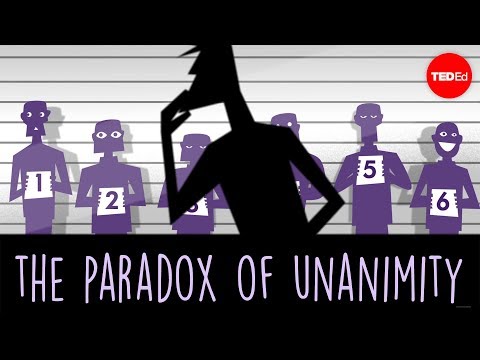
Should You Trust Unanimous Decisions Derek Abbott
Imagine a police lineup where ten witnesses are asked to identify a bank robber they glimpsed fleeing the scene. If six of them pick the same person, there’s a good chance that’s the culprit. And if all ten do, you might think the case is rock solid. But sometimes, the closer you start to get to total agreement, the less reliable the result becomes. Derek Abbott explains the paradox of unanimity.

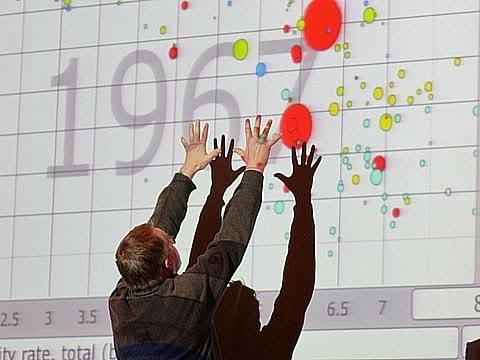
Hans Rosling Shows the Best Stats You Ve Ever Seen
You've never seen data presented like this. With the drama and urgency of a sportscaster, statistics guru Hans Rosling debunks myths about the so-called "developing world."