Discover Resources
Browse curated homeschool resources from the community


Kabuki the People s Dramatic Art Amanda Mattes
The Japanese dance and theater art of kabuki, derived from the word kabuku, meaning "out of the ordinary," can be traced back to the streets of seventeenth-century Kyoto. Kabuki became a dramatic art for the common people, with its use of makeup and facial expressions rather than masks, as well as a playful take on current events. Amanda Mattes tracks the evolution of kabuki and its place in Japan’s rich cultural heritage.
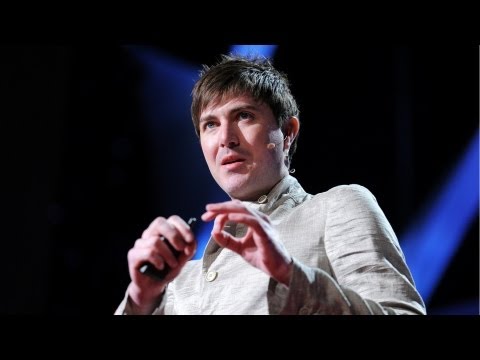
Making Sense of a Visible Quantum Object Aaron O Connell
Physicists are used to the idea that subatomic particles behave according to the bizarre rules of quantum mechanics, completely different to human-scale objects. In a breakthrough experiment, Aaron O'Connell has blurred that distinction by creating an object that is visible to the unaided eye, but provably in two places at the same time. In this talk he suggests an intriguing way of thinking about the result.

The Moon Illusion Andrew Vanden Heuvel
Have you noticed how the full moon looks bigger on the horizon than high overhead? Actually, the two images are exactly the same size -- so why do we perceive them differently? Scientists aren't sure, but there are plenty of intriguing theories. Andrew Vanden Heuvel unravels the details of focus, distance and proportion that contribute to this mystifying optical illusion.
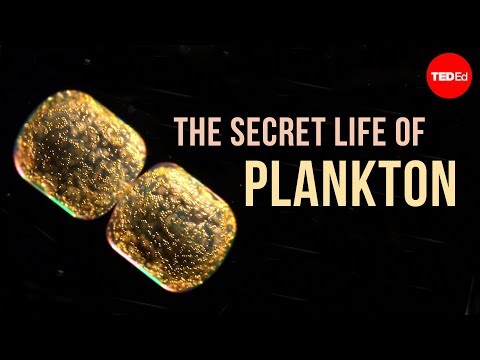
The Secret Life of Plankton
New videography techniques have opened up the oceans' microscopic ecosystem, revealing it to be both mesmerizingly beautiful and astoundingly complex. Marine biologist Tierney Thys teamed with Christian Sardet (CNRS/Tara Oceans), Noé Sardet and Sharif Mirshak to use footage from the Plankton Chronicles project to create a film designed to ignite wonder and curiosity about this hidden world that underpins our own food chain.

Exploring Other Dimensions Alex Rosenthal and George Zaidan
Imagine a two-dimensional world -- you, your friends, everything is 2D. In his 1884 novella, Edwin Abbott invented this world and called it Flatland. Alex Rosenthal and George Zaidan take the premise of Flatland one dimension further, imploring us to consider how we would see dimensions different from our own and why the exploration just may be worth it.
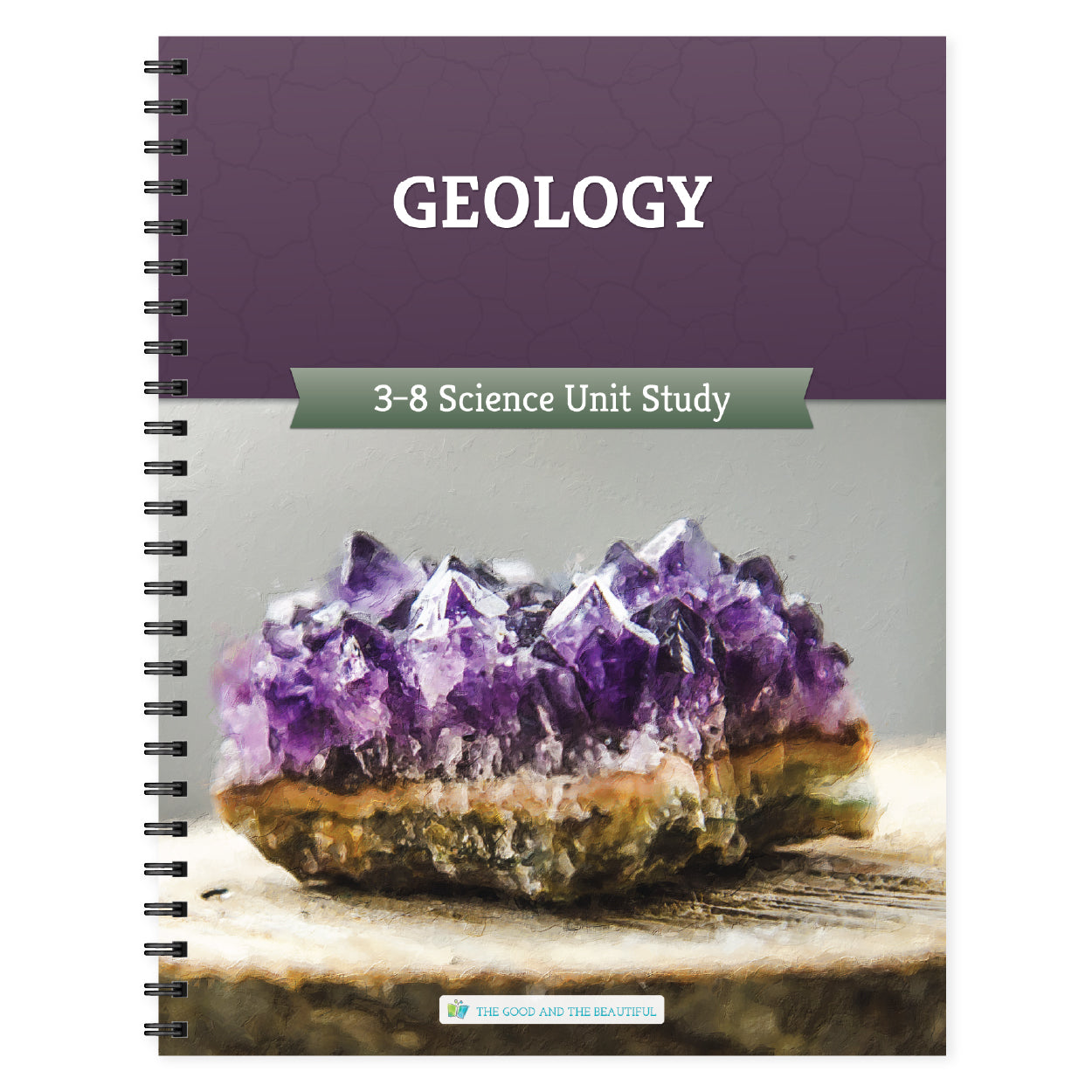
The Good and the Beautiful Geology
Discover geology with our full-color Course Book—packed with hands-on activities, videos, and illustrations for easy, family-style learning.

The Tragic Myth of Orpheus and Eurydice Brendan Pelsue
The marriage of Orpheus, the greatest of all poets and musicians, to Eurydice, a wood nymph, was heralded as the perfect union. Anyone could tell the couple was deeply in love. So when their wedding ceremony ended in Eurydice's untimely death, Orpheus had no choice but to venture into the underworld to try to reclaim his lost love. Brendan Pelsue shares the tragic myth of Orpheus and Eurydice.

Philip Zimbardo the Demise of Guys
Psychologist Philip Zimbardo asks, "Why are boys struggling?" He shares some stats (lower graduation rates, greater worries about intimacy and relationships) and the reasons behind them, while challenging the TED community to think about solutions.
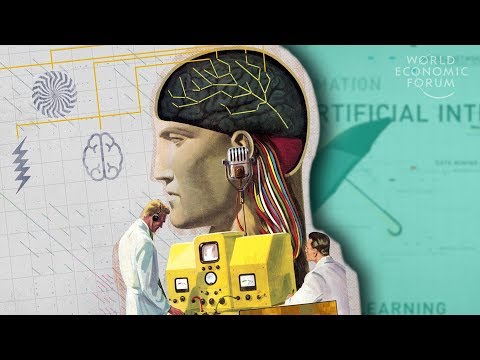
TED-Ed: Is AI on Track to Achieving Super-Intelligence?
Should we be fearful of artificial intelligence and the pace at which it’s progressing? The chief scientist for AI research at Google Cloud, Fei-Fei Li, along with Sinovation Ventures CEO Kai-Fu Lee and Jennifer Zhu Scott of Radian Partners, weigh in. And Professor Rita Singh shares how AI-powered technology may not only shape our future, but also perhaps our understanding of the past.

TED-Ed: The Life Cycle of a Cup of Coffee
How many people does it take to make a cup of coffee? For many of us, all it takes is a short walk and a quick pour. But this simple staple is the result of a globe-spanning process whose cost and complexity are far greater than you might imagine. AJ Jacobs traces the journey of this caffeinated elixir from seed to cup.