Discover Resources
Browse curated homeschool resources from the community
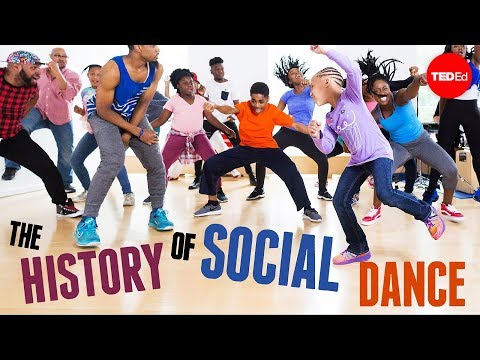
The History of African American Social Dance Camille a Brown
Why do we dance? African-American social dances started as a way for enslaved Africans to keep cultural traditions alive and retain a sense of inner freedom. They remain an affirmation of identity and independence. In this electric demonstration, packed with live performances, choreographer, educator and TED Fellow Camille A. Brown explores what happens when communities let loose and express themselves by dancing together.

The Train Heist Think Like a Coder Ep 4
This is episode 4 of our animated series “Think Like A Coder.” This 10-episode narrative follows a girl, Ethic, and her robot companion, Hedge, as they attempt to save the world. The two embark on a quest to collect three artifacts and must solve their way through a series of programming puzzles.
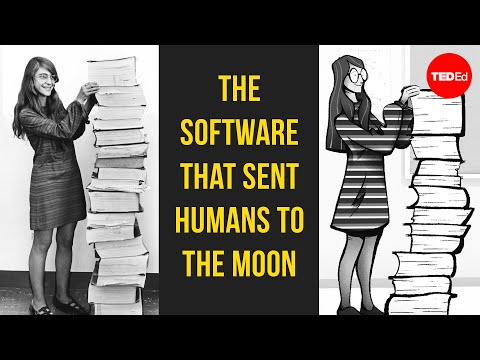
The Software That Sent Humans to the Moon Matt Porter and Margaret Hamilton
The Apollo 11 moon landing was about the astronauts, mission control, software and hardware all working together as a seamless integrated system. None of which would have been possible without the contributions of one engineer: Margaret Hamilton. Who was this pioneer? Matt Porter and Margaret Hamilton detail how a woman and her team launched the software that took mankind to the Moon.
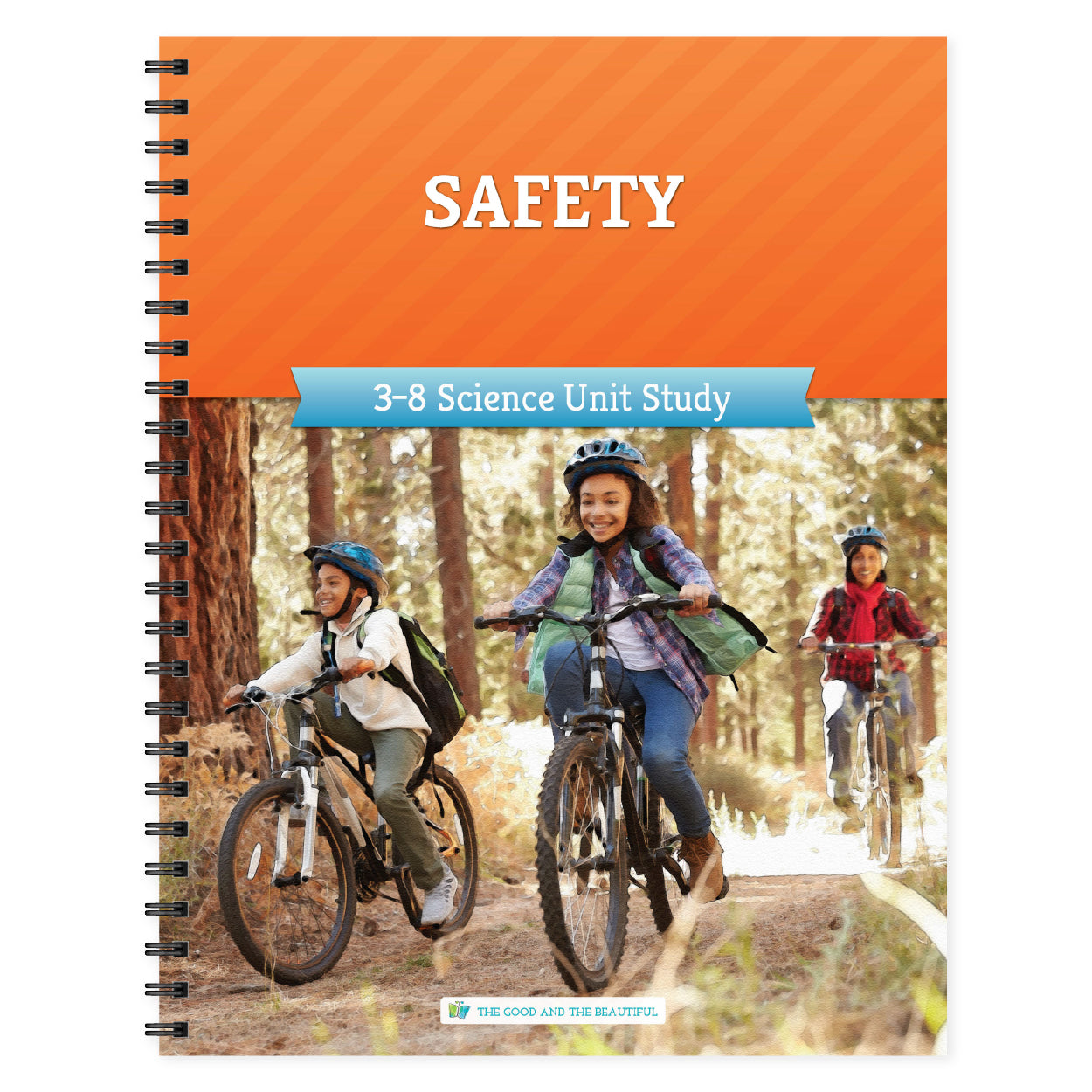
The Good and the Beautiful Safety
The full-color course book guides the parent through each lesson in the Safety science course. Hands-on activities, vocabulary words, engaging information, access to captivating videos, mini books, beautiful illustrations and images, and more are found throughout the course. Once you gather any simple lesson supplies,
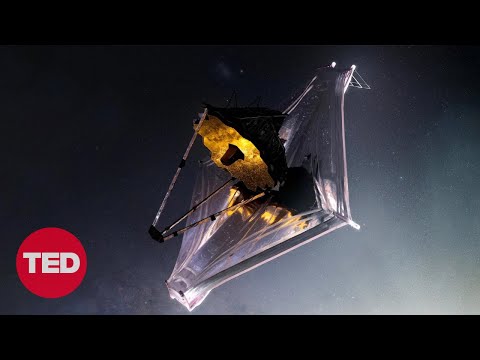
How the James Webb Space Telescope Will Unfold the Universe John C Mather
The James Webb Space Telescope is the world's most powerful telescope and humanity's latest attempt to answer questions like: "Where did we come from?" and "Are we alone?" Nobel Laureate John C. Mather, the leader of the team at NASA that built the Webb, explains how this miracle of modern science and engineering will help us observe the first galaxies, the birth of stars, and much more.

How to Fossilize Yourself Phoebe a Cohen
You can aspire to great things in life, but how about in death? Could you be one of the world’s greatest fossils many years from now? To ensure being found by a future paleontologist, you'll need to die in a highly specific way (think within tree sap or on the bottom of the ocean floor), and nature takes care of the rest. Phoebe A. Cohen details the steps your body must take to find future fame as a fossil.

Mysteries of Vernacular Window Jessica Oreck and Rachael Teel
Metaphoric compounds, like the combination of the words wind and eye to represent a window, populated Norse and Old English. Jessica Oreck and Rachael Teel describe how this love of metaphor created the word window.

How Did the Milky Way Get its Shape Scott Hershberger
Thirteen billion years ago, the gas and dust particles that eventually became our Milky Way were whizzing around in every direction. Despite the wild motion of its parts, the galaxy as a whole was rotating about an axis. So why did the Milky Way, like most galaxies, become flat, and not spherical like stars and planets? Scott Hershberger explores the ever-evolving structure of our galaxy.
Mysteries of Vernacular Dynamite Jessica Oreck and Rachael Teel
With an explosive meaning, the word dynamite’s past is as historical as it is etymological. Jessica Oreck and Rachael Teel describe how Alfred Nobel invented dynamite.
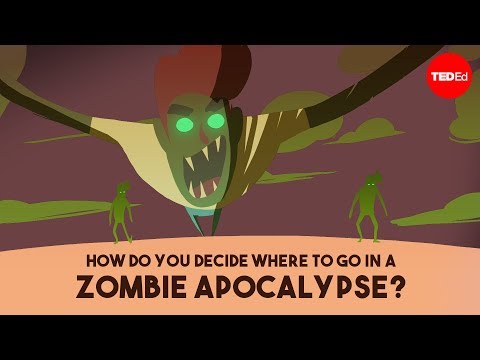
How Do You Decide Where to Go in a Zombie Apocalypse David Hunter
Can geography save your life in case of, say, a zombie apocalypse? Understanding the push and pull factors that create geographic movement -- or how people, resources, and even ideas travel -- might help you determine the location that's best for survival. David Hunter playfully analyzes the geography skills that you'd need to escape the zombies.

The Good and the Beautiful Science for Little Hearts and Hands: Sparks and Stars
Preschool–2nd Grade Through fun and simple lessons, hands-on activities, engaging stories, and interactive audio narrations, Science for Little Hearts and Hands: Sparks and Stars is a gentle introduction to science for the youngest learners. In this beautifully designed course, children learn about space, planets, elec
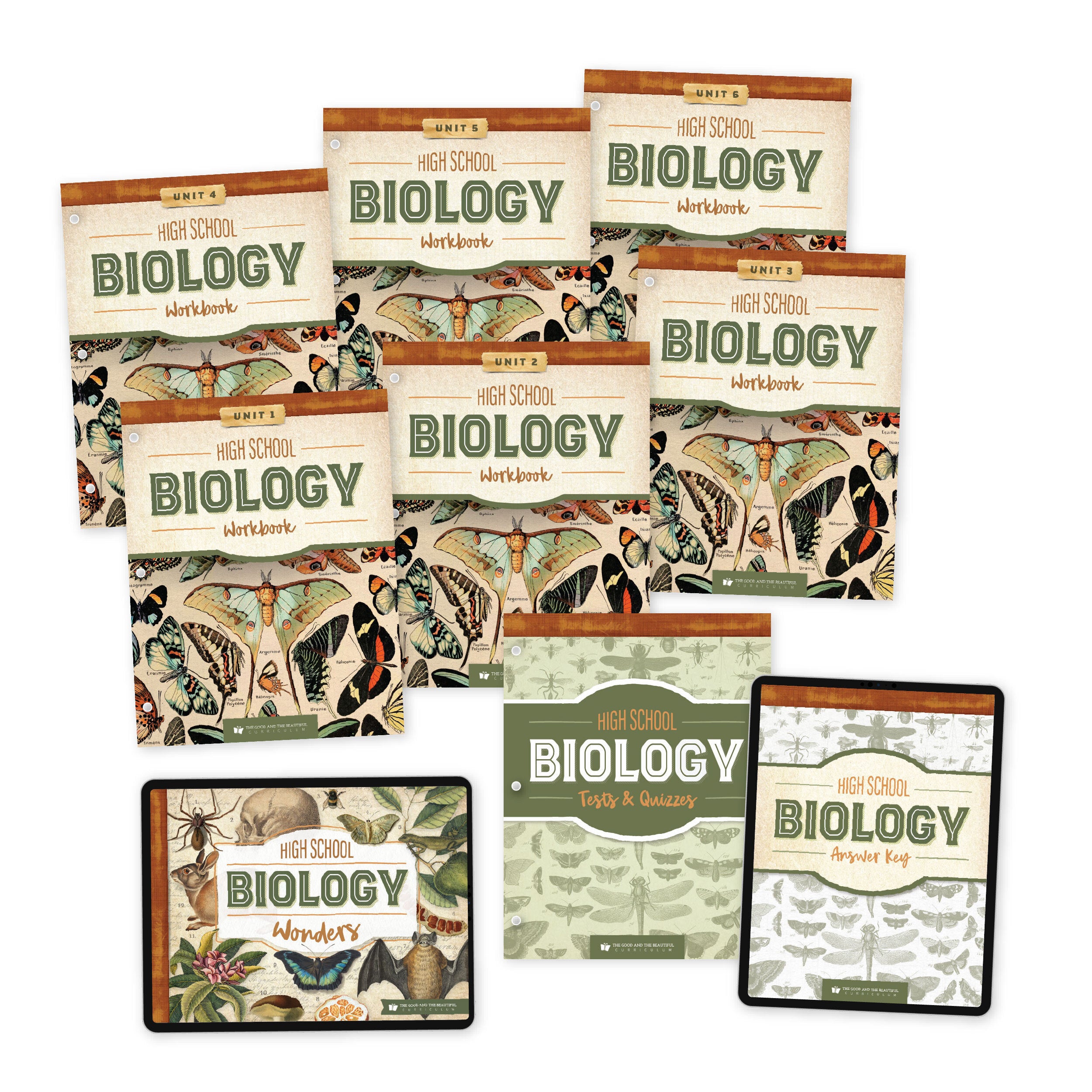
The Good and the Beautiful High School Biology
Explore the great variety of life from simple-celled prokaryotes to the complexity of humans in The Good and the Beautiful’s newest science course, High School Biology. This one-of-a-kind course combines a high level of academic rigor with a delightful exploration into the beauty and wonder of the living world. This s

Mysteries of Vernacular Venom Jessica Oreck and Rachael Teel
How did venom get its poisonous meaning? Jessica Oreck and Rachael Teel follow venom from something to desire to explicit reasons for avoiding a snake.

Free Falling in Outer Space Matt J Carlson
If you were to orbit the Earth, you’d experience the feeling of free fall, not unlike what your stomach feels before a big dive on a roller coaster. With a little help from Sir Isaac Newton, Matt J. Carlson explains the basic forces acting on an astronaut and why you probably shouldn't try this one at home.

If Superpowers Were Real Body Mass Joy Lin
What if manipulating body mass wasn't just the stuff of epic comic book stories? Is it scientifically possible to manipulate your body mass? In this series, Joy Lin tackles six superpowers and reveals just how scientifically realistic they can be to us mere mortals.
Mysteries of Veracular Jade Jessica Oreck and Rachael Teel
Now known for its beauty and green hue, the stone jade was previously thought to espouse magical properties, such as kidney treatment. Jessica Oreck and Rachael Teel explain the word’s travels from 15th century to Spain to today (and why the word jaded is unrelated by root).

Let s Talk About Dying Peter Saul
We can’t control if we’ll die, but we can “occupy death,” in the words of Dr. Peter Saul. He calls on us to make clear our preferences for end of life care -- and suggests two questions for starting the conversation. (Filmed at TEDxNewy.)

If Superpowers Were Real Super Strength Joy Lin
What if super strength wasn’t just the stuff of epic comic book stories? Is it scientifically possible to be super strong? In this series, Joy Lin tackles six superpowers and reveals just how scientifically realistic they can be to us mere mortals.
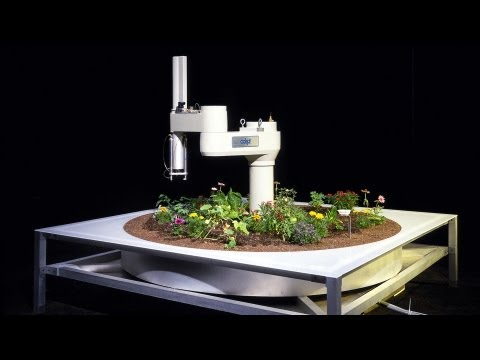
4 Lessons from Robots About Being Human Ken Goldberg
The more that robots ingrain themselves into our everyday lives, the more we're forced to examine ourselves as people. At TEDxBerkeley, Ken Goldberg shares four very human lessons that he's learned from working with robots. (Filmed at TEDxBerkeley.)
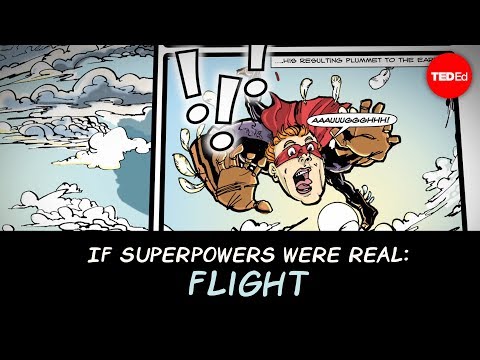
If Superpowers Were Real Flight Joy Lin
What if human flight wasn't just the stuff of epic comic book stories? Is it scientifically possible to fly? In this series, Joy Lin tackles six superpowers and reveals just how scientifically realistic they can be to us mere mortals.

Different Ways of Knowing Daniel Tammet
Daniel Tammet has linguistic, numerical and visual synesthesia -- meaning that his perception of words, numbers and colors are woven together into a new way of perceiving and understanding the world. The author of "Born on a Blue Day," Tammet shares his art and his passion for languages in this glimpse into his beautiful mind.