Discover Resources
Browse curated homeschool resources from the community

Sending a Sundial to Mars Bill Nye
Bill Nye, otherwise known as The Science Guy, inherited his father's fascination with sundials. And so he campaigned to have sundials aboard the Spirit and Opportunity Mars exploration rovers. A look at how a small device reveals big implications as to our place in space.

My Descent Into America s Neo Nazi Movement and How I Got Out Christian Picciolini
At 14, Christian Picciolini went from naïve teenager to white supremacist -- and soon, the leader of the first neo-Nazi skinhead gang in the United States. How was he radicalized, and how did he ultimately get out of the movement? In this courageous talk, Picciolini shares the surprising and counterintuitive solution to hate in all forms.

The Happy Secret to Better Work Shawn Achor
We believe that we should work to be happy, but could that be backwards? In this fast-moving and entertaining talk, psychologist Shawn Achor argues that actually happiness inspires productivity. (Filmed at TEDxBloomington.)
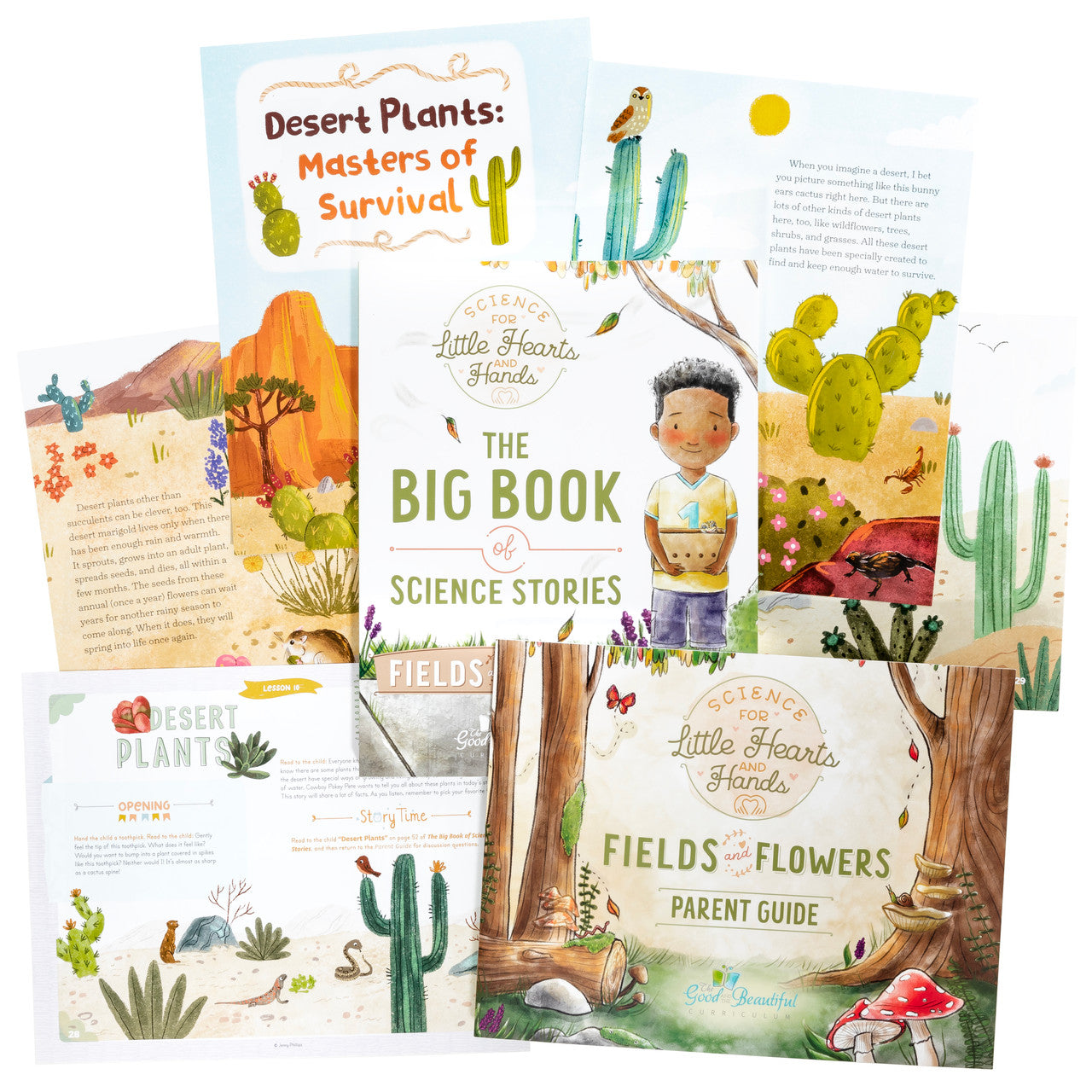
The Good and the Beautiful Science for Little Hearts and Hands: Fields and Flowers
Preschool–2nd Grade With beautiful illustrations, captivating stories, hands-on activities, and engaging videos, Science for Little Hearts and Hands: Fields and Flowers is a gentle introduction to science for the youngest learners. This science unit for young children is a gentle introduction to exploring God’s amazing

The Rise of Human Computer Cooperation Shyam Sankar
Brute computing force alone can’t solve the world’s problems. Data mining innovator Shyam Sankar explains why solving big problems (like catching terrorists or identifying huge hidden trends) is not a question of finding the right algorithm, but rather the right symbiotic relationship between computation and human creativity.
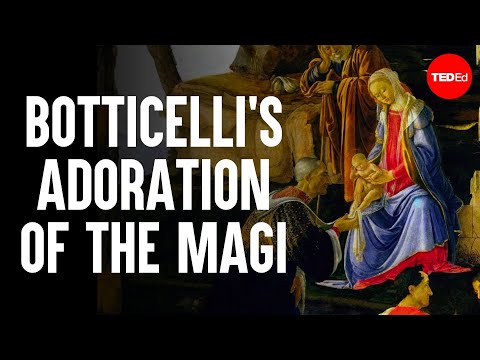
Dissecting Botticelli s Adoration of the Magi James Earle
The scene of the three wise men offering gifts to a newborn Jesus was widely painted during the Renaissance era, so how did painter Sandro Botticelli create a version that's still well known today? James Earle describes who and what set Botticelli's Adoration of the Magi apart in the annals of art history.
Medicine s Future There s an App for That Daniel Kraft
Daniel Kraft offers a fast-paced look at the next few years of innovations in medicine, powered by new tools, tests and apps that bring diagnostic information right to the patient's bedside. (Filmed at TEDxMaastricht.)

The Punishable Perils of Plagiarism Melissa Huseman D Annunzio
Fighting plagiarism is serious business. From brainchild-snatching to wholly quotables, plagiarists have plenty of wily ways to pass others' work off as their own -- and all of them are threats to original thinking. Melissa Huseman D’Annunzio imagines what would happen if a Department of Plagiarism Investigation were on the case.

How Big is the Ocean Scott Gass
While the Earth’s oceans are known as five separate entities, there is really only one ocean. So, how big is it? As of 2013, it takes up 71% of the Earth, houses 99% of the biosphere, and contains some of Earth’s grandest geological features. Scott Gass reminds us of the influence humans have on the ocean and the influence it has on us.

How One Teenager Unearthed Baseball s Untold History Cam Perron
Teenager Cam Perron loved baseball, so he began writing letters to the veteran players on his baseball cards. He only wanted autographs, but eventually acquired something even richer: the often unsung history of the Negro leagues. After hearing the stories, Cam took it upon himself to help former Negro leaguers get the recognition, reimbursement and reconnection to the game that they deserved.

Can You Solve the Killer Robo Ants Riddle Dan Finkel
The good news is that your experimental robo-ants are a success. The bad news is that you accidentally gave them the ability to shoot deadly lasers … and you can’t turn it off. Can you stop them from escaping their habitat before the lasers are activated? Dan Finkel shows how.

Ancient Rome s Most Notorious Doctor Ramon Glazov
In the 16th century, an anatomist named Andreas Vesalius made a shocking discovery: the most famous human anatomy texts in the world were wrong. While Vesalius knew he was right, announcing the errors would mean challenging Galen of Pergamon. Who was this towering figure? And why was he still revered and feared 1,300 years later? Ramon Glazov profiles the most renowned physician in medical history.

Ugly History Japanese American Internment Camps Densho
On December 7, 1941, 16 year-old Aki Kurose shared in the horror of millions of Americans when Japanese planes attacked Pearl Harbor. Unbeknownst to her, this shared experience would soon leave her family and over 120,000 Japanese Americans alienated from their country, both socially and physically. Densho explores the racism and paranoia that led to the unjust internment of Japanese Americans.
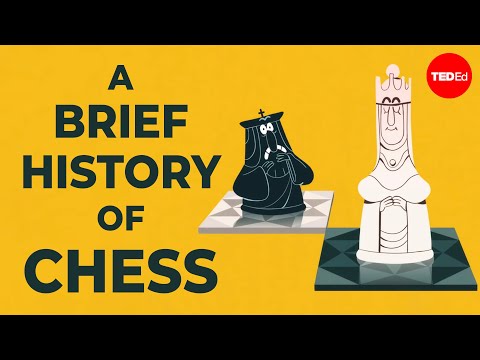
A Brief History of Chess Alex Gendler
The attacking infantry advances, their elephants already having broken the defensive line. The king tries to retreat, but the enemy flanks him from the rear. Escape is impossible. This isn’t a real war— nor is it just a game. Over the 1,500 years of its existence, chess has been known as a military strategy tool, a metaphor for human affairs and a measure of genius. Alex Gendler shares its history.
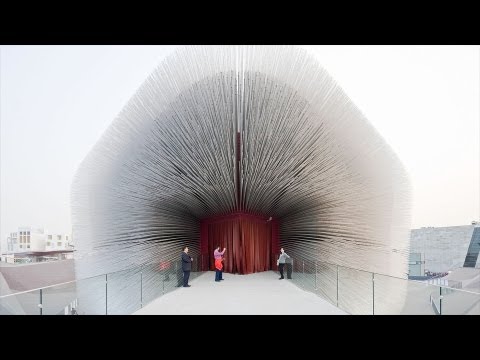
Building the Seed Cathedral Thomas Heatherwick
A future more beautiful? Architect Thomas Heatherwick shows five recent projects featuring ingenious bio-inspired designs. Some are remakes of the ordinary: a bus, a bridge, a power station ... And one is an extraordinary pavilion, the Seed Cathedral, a celebration of growth and light.

Become a Slam Poet in Five Steps Gayle Danley
With enough passion and practice, becoming a slam poet is within your reach. Explore a distant memory on paper, then read it out loud. Edit. Try reading it out loud again, and add your finishing touches. Gayle Danley offers five steps to being a slam poet -- while being downright poetic in the process.

Mysteries of Vernacular Assassin Jessica Oreck
Trace the legend of the word assassin, as Jessica Oreck walks us through the word's journey from Arabic into the English language.
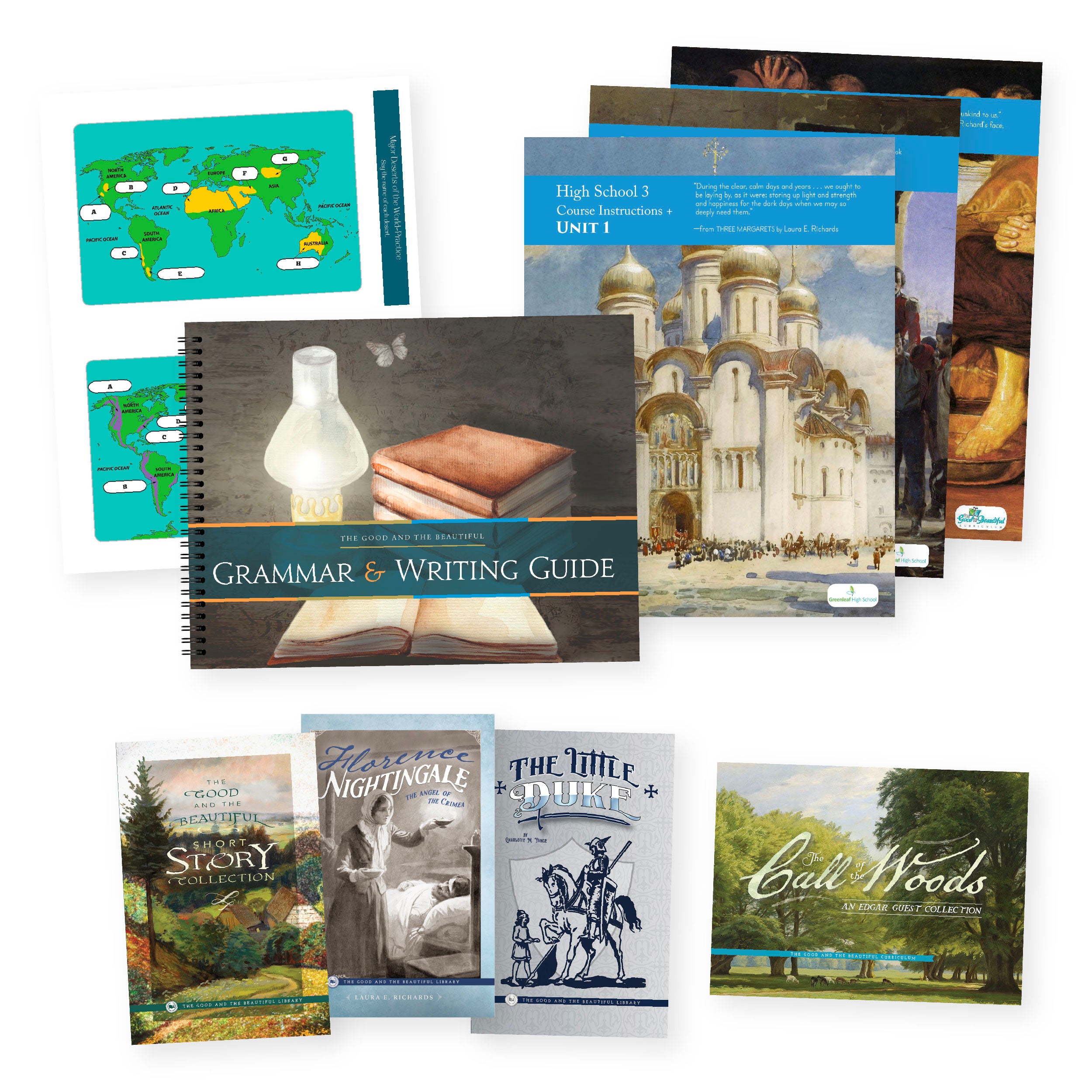
The Good and the Beautiful High School 3 Language Arts
High School 3 offers 10 unit booklets, videos, and classic texts designed to enhance writing and literature skills for college readiness.
Why is Glass Transparent Mark Miodownik
If you look through your glasses, binoculars or a window, you see the world on the other side. How is it that something so solid can be so invisible? Mark Miodownik melts the scientific secret behind amorphous solids.
Who is Alexander Von Humboldt George Mehler
Have you heard of Alexander von Humboldt? Not likely. The geologist turned South American explorer was a bit of an 18th century super scientist, traveling over 24,000 miles to understand the relationship between nature and habitat. George Mehler details Humboldt’s major accomplishments and why we should care about them today.
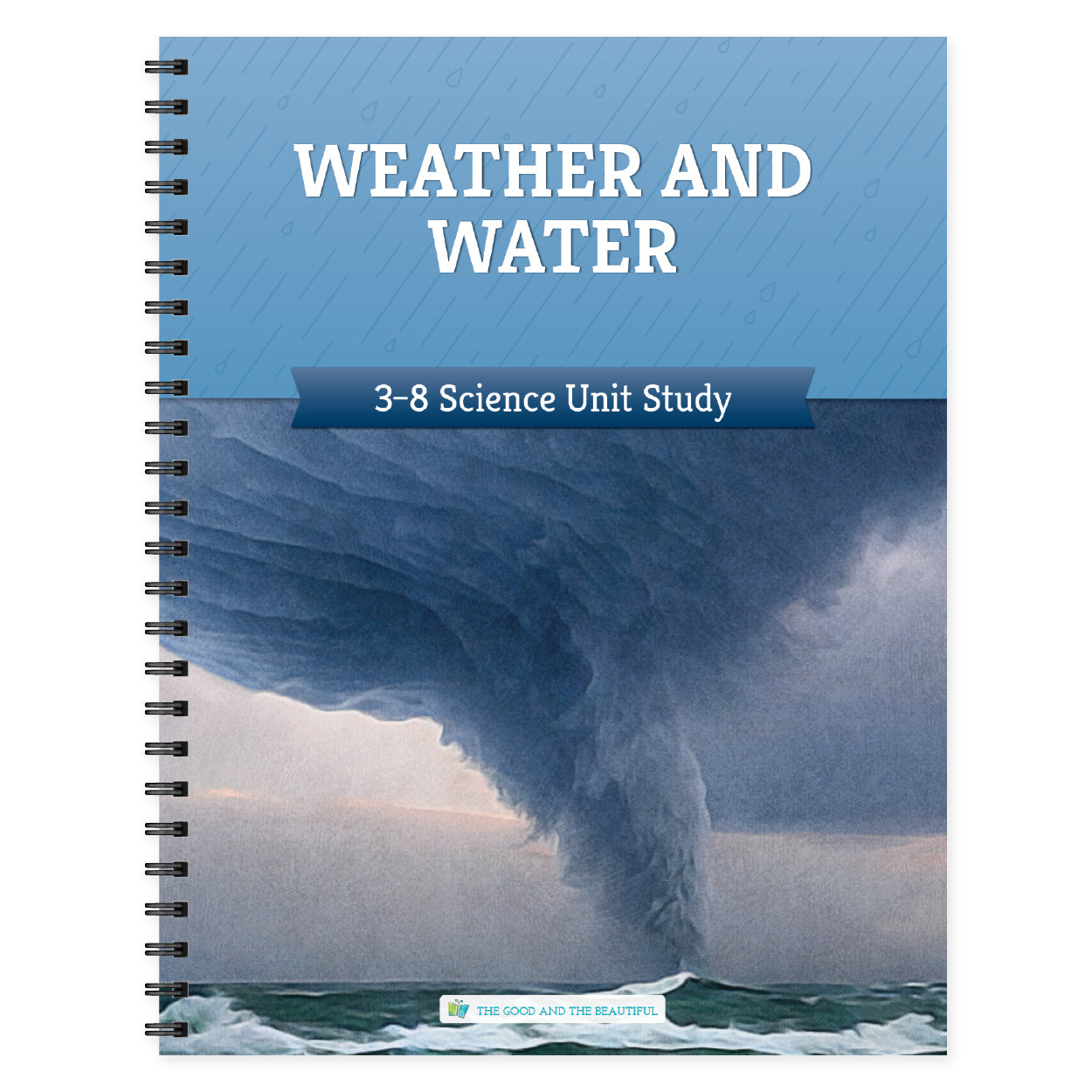
The Good and the Beautiful Weather and Water
The full-color course book guides the parent through each lesson in the Weather and Water science course. Hands-on activities, engaging videos, vocabulary words, beautiful illustrations and images, along with engaging information is found throughout the course. Once you gather any simple lesson supplies, the lessons ar
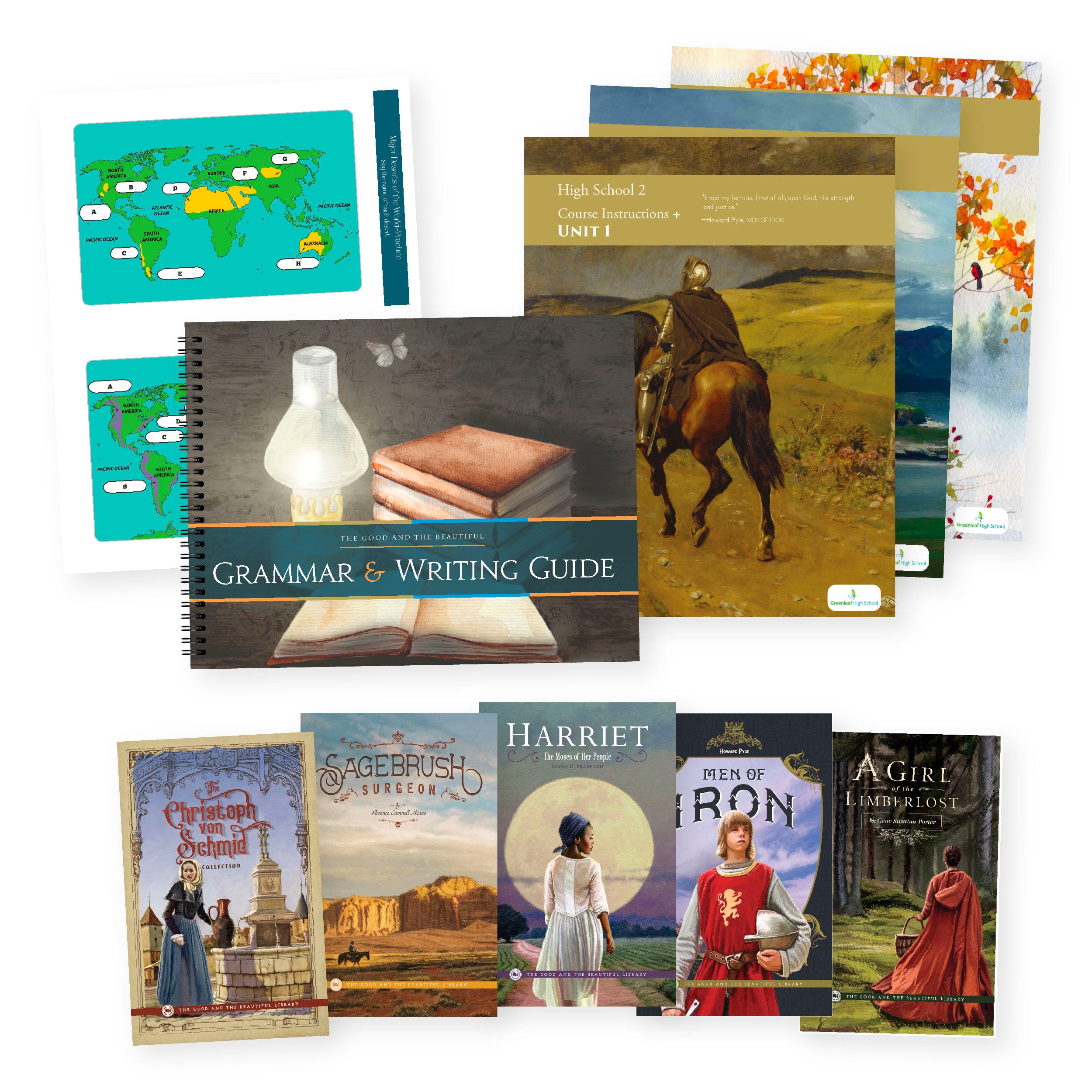
The Good and the Beautiful High School 2 Language Arts
Prepare for college with High School 2—10 unit booklets, online videos, and classic texts to build strong writing and literature skills.

The Microbial Jungles All Over the Place and You Scott Chimileski and Roberto Kolter
As we walk through our daily environments, we’re surrounded by exotic creatures that are too small to see with the naked eye. We usually imagine these microscopic organisms, or microbes, as asocial cells that float around by themselves. But, in reality, microbes gather by the millions to form vast communities. Scott Chimileski and Roberto Kolter describes how and why microbes create biofilms.