health
Resources
View all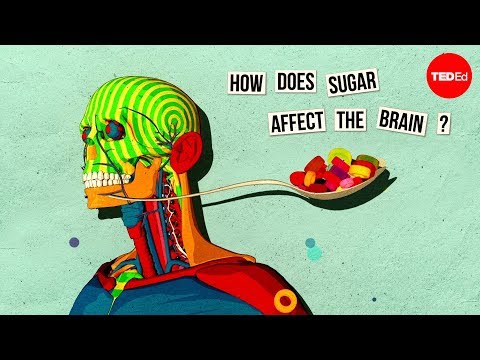
How sugar affects the brain - Nicole Avena
Understanding sugar's impact on your brain chemistry.

TED-Ed: Do You Really Need 10,000 Steps a Day?
For years, Jean Béliveau walked from country to country, with the goal of circumnavigating the globe on foot. While few people have the time or desire to walk such extreme lengths, research shows that adding even a modest amount of walking to your daily routine can dramatically improve your health. So, what exactly happens to your body when you increase your step count? Shannon Odell investigates.
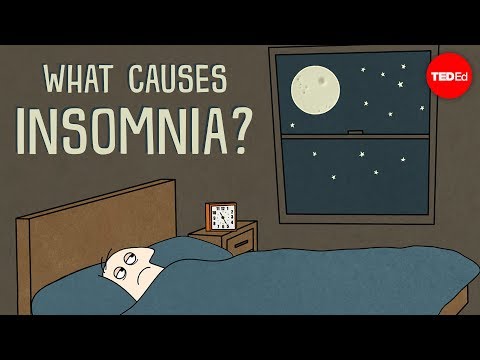
TED-Ed: What Causes Insomnia?
What keeps you up at night? Pondering deep questions? Excitement about a big trip? Stress about unfinished work? What if the very thing keeping you awake was stress about losing sleep? This seemingly unsolvable loop is at the heart of insomnia, the world’s most common sleep disorder. So what is insomnia? And is there any way to break the cycle? Dan Kwartler details the science of insomnia.
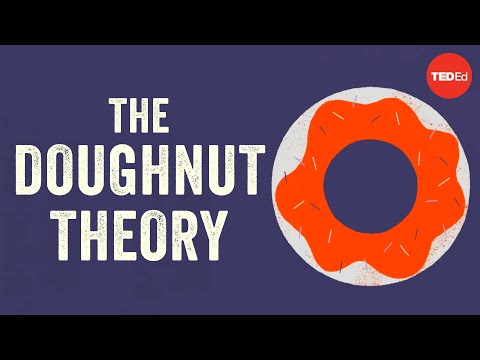
TED-Ed: How Do We Create a Better Economy?
Can we call any economy “healthy” in the face of dwindling resources and growing inequality? What if we cut off our addiction to endless growth, and used a new compass for modern prosperity? One such compass is known as “doughnut economics,” which aims to meet the needs of people without overshooting Earth's ecological limits. Explore how this model reframes our economic systems.

TED-Ed: What's the Best Position to Sleep In?
Sleep positions go by countless creative names— the zombie, mountain climber, free faller, soldier, and more. Yet sleep experts typically simplify them into the basic types: side, stomach, or back. Individual sleep styles are highly personal, but how we spend the night affects our bodies and health in several ways. So, what’s the best position to sleep in? Rachel Marie E. Salas investigates.

TED-Ed: How to Make Your Stress Work for You
An upcoming project deadline, a fight with a family member, or even an embarrassing moment can easily trigger our body’s stress response. While we can’t always control what life throws at us, there are ways to better prepare for stressful events we may experience. So, how can we train our minds and bodies to manage our stress response? Shannon Odell shares best practices for dealing with stress.
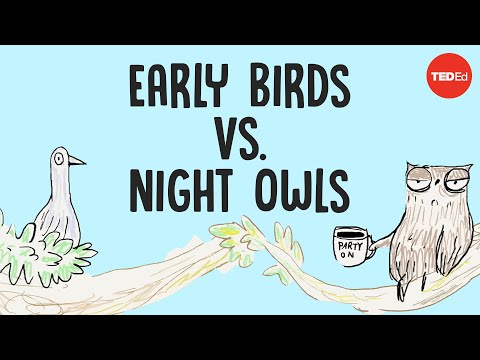
TED-Ed: Can You Change Your Sleep Schedule?
An early bird rises with the sun, springing out of bed abuzz with energy. Meanwhile, a night owl groggily rises much later, not hitting their stride until late in the day. How many people are truly night owls or early birds? And are our sleep schedules predetermined at birth, or can we change them? Explore how our circadian systems act as internal clocks to keep our bodies functioning properly.
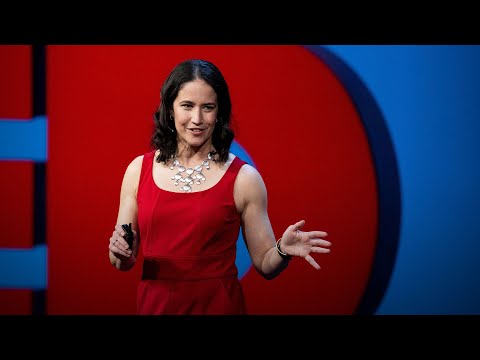
TED-Ed: Why Having Fun Is the Secret to a Healthier Life
Have you had your daily dose of fun? It's not just enjoyable, it's also essential for your health and happiness, says science journalist Catherine Price. She proposes a new definition of fun — what she calls "true fun" — and shares easy, evidence-backed ways to weave playfulness, flow and connection into your everyday life.
TED-Ed: How Does Caffeine Keep Us Awake?
Over 100,000 metric tons of caffeine are consumed around the world every year. That’s equivalent to the weight of 14 Eiffel Towers! Caffeine helps us feel alert, focused, and energetic, even if we haven’t had enough sleep — but it can also raise our blood pressure and make us feel anxious. So how does it keep us awake? Hanan Qasim shares the science behind the world’s most widely used drug.
What would happen if you didn’t sleep? - Claudia Aguirre
The importance of sleep for health and cognition.

The benefits of a good night's sleep - Shai Marcu
How sleep improves learning, memory, and health.
TED-Ed: What Is Depression?
Depression is the leading cause of disability in the world; in the United States, close to ten percent of adults struggle with the disease. But because it’s a mental illness, it can be a lot harder to understand than, say, high cholesterol. Helen M. Farrell examines the symptoms and treatments of depression, and gives some tips for how you might help a friend who is suffering.

TED-Ed: How Cancer Cells Behave Differently
How do cancer cells grow? How does chemotherapy fight cancer (and cause negative side effects)? The answers lie in cell division. George Zaidan explains how rapid cell division is cancer’s "strength" -- and also its weakness.
TED-Ed: How to Increase Your Happiness
Many people would say the connection between happiness and gratefulness is very simple: when you are happy, you are grateful. But think again. Is it really the happy people that are grateful? Quite a number of people have everything that it would take to be happy, and they are not happy. So, how does gratefulness work? Explore the key components to living gratefully.
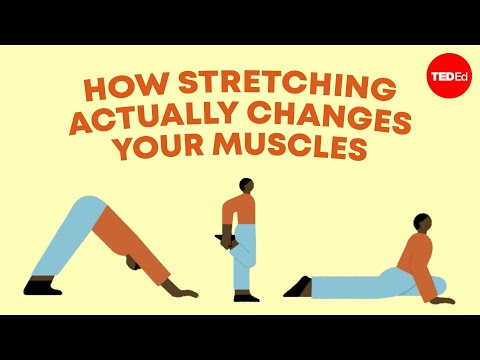
TED-Ed: How Stretching Actually Changes Your Muscles
An athlete is preparing for a game. They’ve put on their gear and done their warmup, and now it’s time for one more routine — stretching. Typically, athletes stretch before physical activity to avoid injuries like strains and tears. But does stretching actually prevent these issues? And if so, how long do the benefits of stretching last? Malachy McHugh explores the finer points of flexibility.
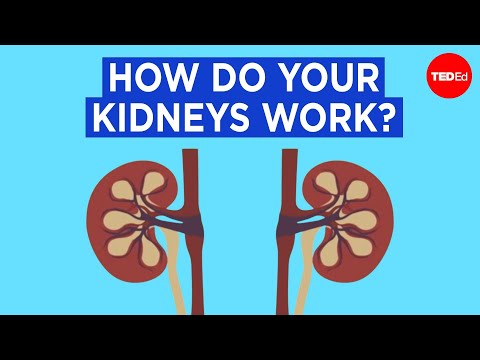
TED-Ed: How Do Your Kidneys Work?
After drinking a few glasses of water on a hot day, you might be struck with a sudden ... urge. Behind that feeling are two bean-shaped organs that work as fine-tuned internal sensors. Emma Bryce details how the incredible kidneys balance the amount of fluid in your body, detect waste in your blood, and know when to release the vitamins, minerals, and hormones you need to stay alive.

How do vaccines work? - Kelwalin Dhanasarnsombut
Understand how vaccines train your immune system.
TED-Ed: What Causes Cavities?
When a team of archeologists recently came across some 15,000-year-old human remains, they made an interesting discovery: the teeth of those ancient humans were riddled with holes. So what causes cavities, and how can we avoid them? Mel Rosenberg takes us inside our teeth to find out.

TED-Ed: How Do Your Hormones Work?
Over our lifetimes, our bodies undergo a series of extraordinary metamorphoses: we grow, experience puberty, and many of us reproduce. Behind the scenes, the endocrine system works constantly to orchestrate these changes. Emma Bryce explains how this system regulates everything from your sleep to the rhythm of your beating heart, exerting its influence over each and every one of your cells.

TED-Ed: What Is Bipolar Disorder?
The word bipolar means ‘two extremes.’ For the many millions experiencing bipolar disorder around the world, life is split between two different realities: elation and depression. So what causes this disorder? And can it be treated? Helen M. Farrell describes the root causes and treatments for bipolar disorder.