Discover Resources
Browse curated homeschool resources from the community

The Amazing Ways Plants Defend Themselves Valentin Hammoudi
Plants are constantly under attack. They face threats ranging from microscopic fungi to small herbivores like caterpillars, up to large herbivores like elephants. But plants are ready, with a whole series of internal and external defenses that make them a less appealing meal — or even a deadly one. Valentin Hammoudi explains some of the fascinating ways that plants defend themselves.

Why People Fall for Misinformation Joseph Isaac
In 1901, David Hänig published research that led to what we know today as the taste map: an illustration that divides the tongue into four separate areas. It has since been published in textbooks and newspapers. There is just one problem: the map is wrong. So how do misconceptions like this spread, and what makes a fake fact so easy to believe? Joseph Isaac dives into the world of misinformation.
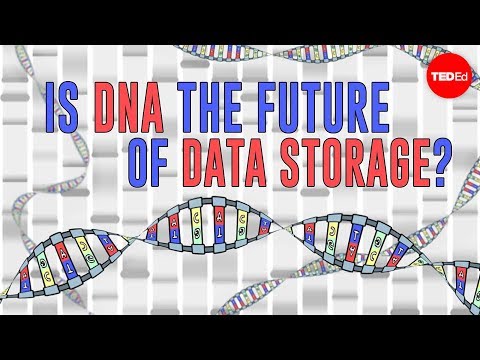
Is Dna the Future of Data Storage Leo Bear Mcguinness
In the event of a nuclear fallout, every piece of digital and written information could all be lost. Luckily, there is a way that all of human history could be recorded and safely stored beyond the civilization’s end. And the key ingredient is inside all of us: our DNA. Leo Bear-McGuinness explains.

From Aaliyah to Jay Z Captured Moments in Hip Hop History Jonathan Mannion
Jonathan Mannion once convinced rapper DMX to climb into a pool of blood -- all in pursuit of the perfect photo. In this passionate TEDYouth talk, the photographer shares how fighting for the moments he needs to capture has helped him tell the stories of Biggie, Jay-Z, Aaliyah and other hip-hop greats.

Are Preservatives Bad for You Eleanor Nelsen
Food doesn’t last. In days, sometimes hours, bread goes moldy, apple slices turn brown, and bacteria multiply in mayonnaise. But you can find all of these foods out on the shelf at the grocery store — hopefully unspoiled -- thanks to preservatives. But what exactly are preservatives? How do they help keep food edible? And are they safe? Eleanor Nelsen investigates.
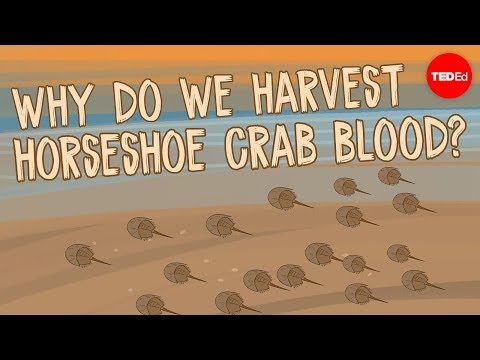
Why Do We Harvest Horseshoe Crab Blood Elizabeth Cox
During the warmer months, especially at night during the full moon, horseshoe crabs emerge from the sea to spawn. Waiting for them are teams of lab workers, who capture the horseshoe crabs by the hundreds of thousands, take them to labs, harvest their cerulean blood, then return them to the sea. Why? Elizabeth Cox illuminates the incredible properties of horseshoe crab blood.
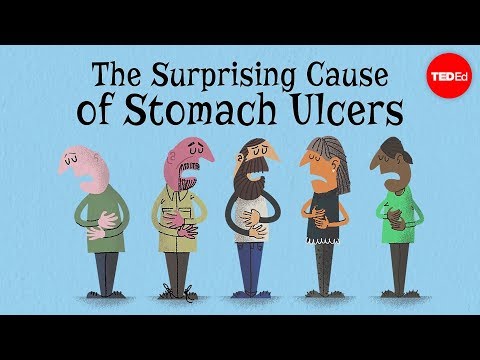
The Surprising Cause of Stomach Ulcers Rusha Modi
It’s a common misconception that stomach ulcers are caused by emotional upset, psychological distress, or spicy food. Yet no convincing study has ever demonstrated that these factors directly cause ulcer disease. So what does cause stomach ulcers? Rusha Modi explains how one doctor’s famous (and dangerous) experiment led us to the answer.
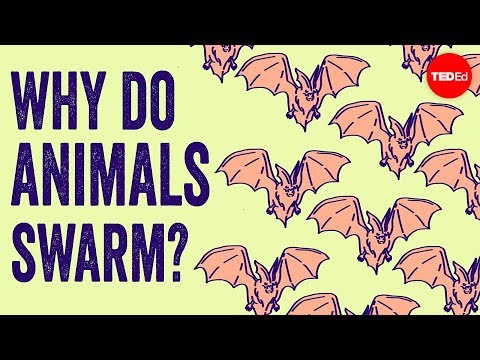
Why Do Animals Form Swarms Maria R D Orsogna
When many individual organisms come together and move as one entity, that’s a swarm. From a handful of birds to billions of insects, swarms can be almost any size. They have no leader, and members interact only with their neighbors or through indirect cues. Members follow simple rules: travel in the same direction as those around you, stay close and avoid collisions. Maria R. D’Orsogna shares why.
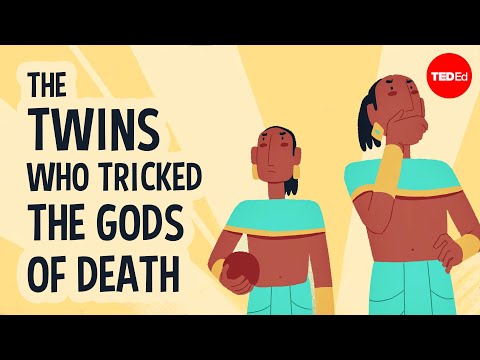
The Twins Who Tricked the Maya Gods of Death Ilan Stavans
One day, twin brothers Junajpu and Ixb’alanke discovered their father’s hidden ballgame equipment and began to play. Hearing their vigorous game, the lords of the underworld sent a messenger to challenge the boys to a match. Despite the danger, the twins nevertheless answered the call, making the trek to the great city of Xibalba. Who would emerge victorious? Ilan Stavans shares the Maya myth.

Can You Outsmart the Slippery Slope Fallacy Elizabeth Cox
It’s 1954. Vietnamese nationalists are on the verge of securing an independent Vietnam under communist leader Ho Chi Minh. U.S. President Eisenhower claims that by virtue of the "falling domino principle," communist control of Vietnam would lead to the global spread of authoritarian communist regimes. Can you spot the problem with this argument? Elizabeth Cox explores the slippery slope fallacy.
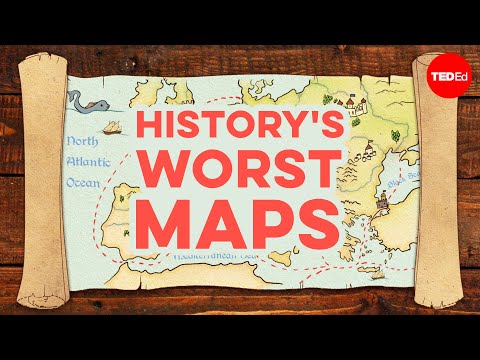
The Biggest Mistakes in Mapmaking History Kayla Wolf
For thousands of years, people made both functional maps and what are known as cosmographies, illustrating the earth and its position in the cosmos, often including constellations, gods, and mythic locations. These maps were meant to depict the world's geography, but weren't necessarily useful for navigation and contained some glaring mistakes. Kayla Wolf shares mapmaking’s biggest blunders.

If You Re Scared of Snakes Watch This Andrew Whitworth
As of 2021, there are 368 species of viper worldwide. The name comes from the term viviparity, which means giving birth to live young. Vipers are often highly venomous, with two hollow, extra long fangs that unfold into imposing weapons when the viper prepares to strike. So, which are the most dangerous? Andrew Whitworth travels around the world to visit some of nature’s most incredible snakes.

How Green Hydrogen Could End the Fossil Fuel Era
As climate change accelerates, finding clean alternatives to fossil fuels is more urgent than ever. Social entrepreneur Vaitea Cowan believes green hydrogen is the answer. Watch as she shares her team's work mass producing electrolyzers and shows how they could help make green, carbon-free fuel affordable and accessible for everyone.