Discover Resources
Browse curated homeschool resources from the community

TED-Ed: Why Do Competitors Open Stores Next to Each Other?
Why are all the gas stations, cafes and restaurants in one crowded spot? As two competitive cousins vie for ice-cream-selling domination on one small beach, discover how game theory and the Nash Equilibrium inform these retail hotspots.

Encyclopedic Entry: Adaptation
Evolutionary adaptation, or simply adaptation, is the adjustment of organisms to their environment in order to improve their chances at survival in that environment.

How Giant Toasters Could Power the World Rachel Yang
Industrial manufacturers spend a huge amount of energy generating heat to make everyday materials and objects, like cement, steel, and paper. And since most companies use fossil fuels to reach these high temperatures, industrial heat accounts for 20% of our annual global carbon pollution. Thankfully, this is where a century-old technology comes in. Rachel Yang explores how heat batteries work.

Captain Charles Moore on the Seas of Plastic
Capt. Charles Moore of the Algalita Marine Research Foundation first discovered the Great Pacific Garbage Patch — an endless floating waste of plastic trash. Now he's drawing attention to the growing, choking problem of plastic debris in our seas.


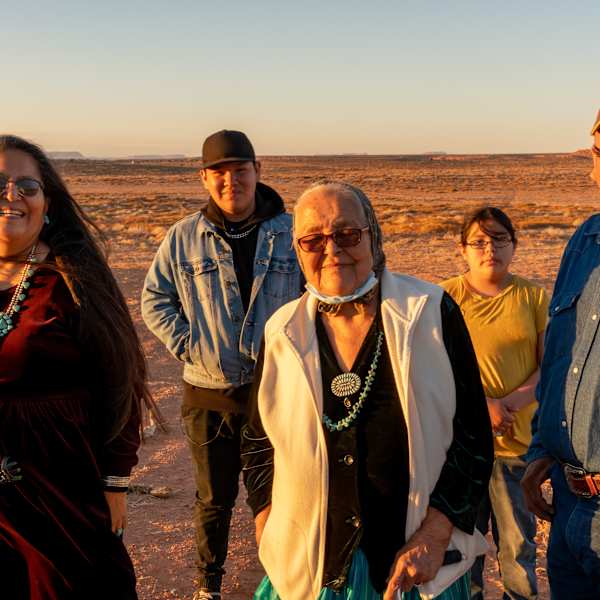
North America: Human Geography
North America’s human landscape closely mirrors that of its physical environment: varied, rich, and constantly changing.

Let s Talk About Sex John Bohannon and Black Label Movement
What would you tell your younger self about sex if you could? (Starting with the big question: Why does it exist in the first place?) Mixing talk and dance, John Bohannon and Black Label Movement explore why sex exists -- and implore adults to talk honestly to the kids in their lives about the confusion and joy of human sexuality.

How Farming Planted Seeds for the Internet Patricia Russac
What does farming have to do with invention and innovation? Permanent residences, division of labor, central government, and complex technologies--all essential for advancing civilizations--could not have been developed without the move from hunting-gathering to farming. Patricia Russac explores how farming was a major innovation leading to the civilization we know today.

Madeleine Albright on Being a Woman and a Diplomat
In a frank and funny Q&A with Pat Mitchell from the Paley Center, former U.S. Secretary of State Madeleine Albright talks bluntly about politics and diplomacy, making the case that women's issues deserve a place at the center of foreign policy. Far from being a "soft" issue, she says, women's issues are often the very hardest ones, dealing directly with life and death. Since leaving office as U.S. Secretary of State in 2001, Madeleine Albright has continued her distinguished career in foreign affairs as a businesswoman, political adviser and professor.


Inside a Cartoonist s World Liza Donnelly
From cave drawings to the Sunday paper, artists have been visualizing ideas -- cartoons -- for centuries. New Yorker cartoonist Liza Donnelly walks us through the many stages every cartoon goes through, starting with an idea and turning into something that connects us on a deeply human level.