Discover Resources
Browse curated homeschool resources from the community
How the Band Aid Was Invented Moments of Vision 3 Jessica Oreck
It is estimated that Johnson & Johnson have made an astounding 100 billion Band-Aids since they were invented in 1920. But where did the idea come from? In the third installment of our ‘Moments of Vision’ series, Jessica Oreck shares the series of moments that inspired Earle Dickson to invent these popular household bandages.

Why Are Blue Whales so Enormous Asha De Vos
Blue whales are the largest animals on the planet, but what helps them grow to the length of a basketball court? Asha de Vos explains why the size of krill make them the ideal food for the blue whale -- it's as if the blue whale was made to eat krill (and krill was made to be eaten by the blue whale).

The Myth of Anansi the Trickster Spider Emily Zobel Marshall
Long ago, all stories belonged to Nyame, the all-seeing Sky God. But one creature, Anansi, was determined to bring the stories down to Earth. Anansi went to Nyame and requested to take ownership of the world’s stories. The Sky God told Anansi that he could have all the stories he wished — but only if he could complete an impossible task. Emily Zobel Marshall shares the cunning spider's journey.
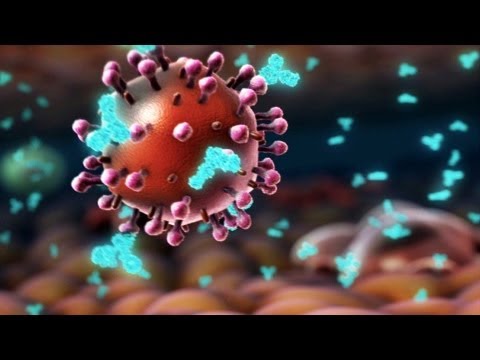
Hiv and Flu the Vaccine Strategy Seth Berkley
Seth Berkley explains how smart advances in vaccine design, production and distribution are bringing us closer than ever to eliminating a host of global threats -- from AIDS to malaria to flu pandemics.
Mysteries of Vernacular Gorgeous Jessica Oreck and Rachael Teel
From whirlpools and ravines to superlative beauty, what is the trajectory of the word gorgeous? Jessica Oreck and Rachael Teel reveal the surprising variations in meaning (and what turtleneck-like fashion has to do with it).
3 Myths About Racism That Keep the Us from Progress Candis Watts Smith
Racism morphs, spreading and hiding behind numerous half-truths and full-blown falsities about where it lives and who embodies it. In this actionable talk, political scientist Candis Watts Smith debunks three widely accepted myths about racism in the US and calls for a nuanced, more expansive definition to support this new era of anti-racist action.
The Good and the Beautiful Language Arts Level 7
The Good and the Beautiful is a Christian homeschool curriculum company offering Language Arts, Math, Science History, and elective courses.

Jonathan Driori the Beautiful Tricks of Flowers
In this visually dazzling talk, Jonathan Drori shows the extraordinary ways flowering plants -- over a quarter million species -- have evolved to attract insects to spread their pollen: growing 'landing-strips' to guide the insects in, shining in ultraviolet, building elaborate traps, and even mimicking other insects in heat.
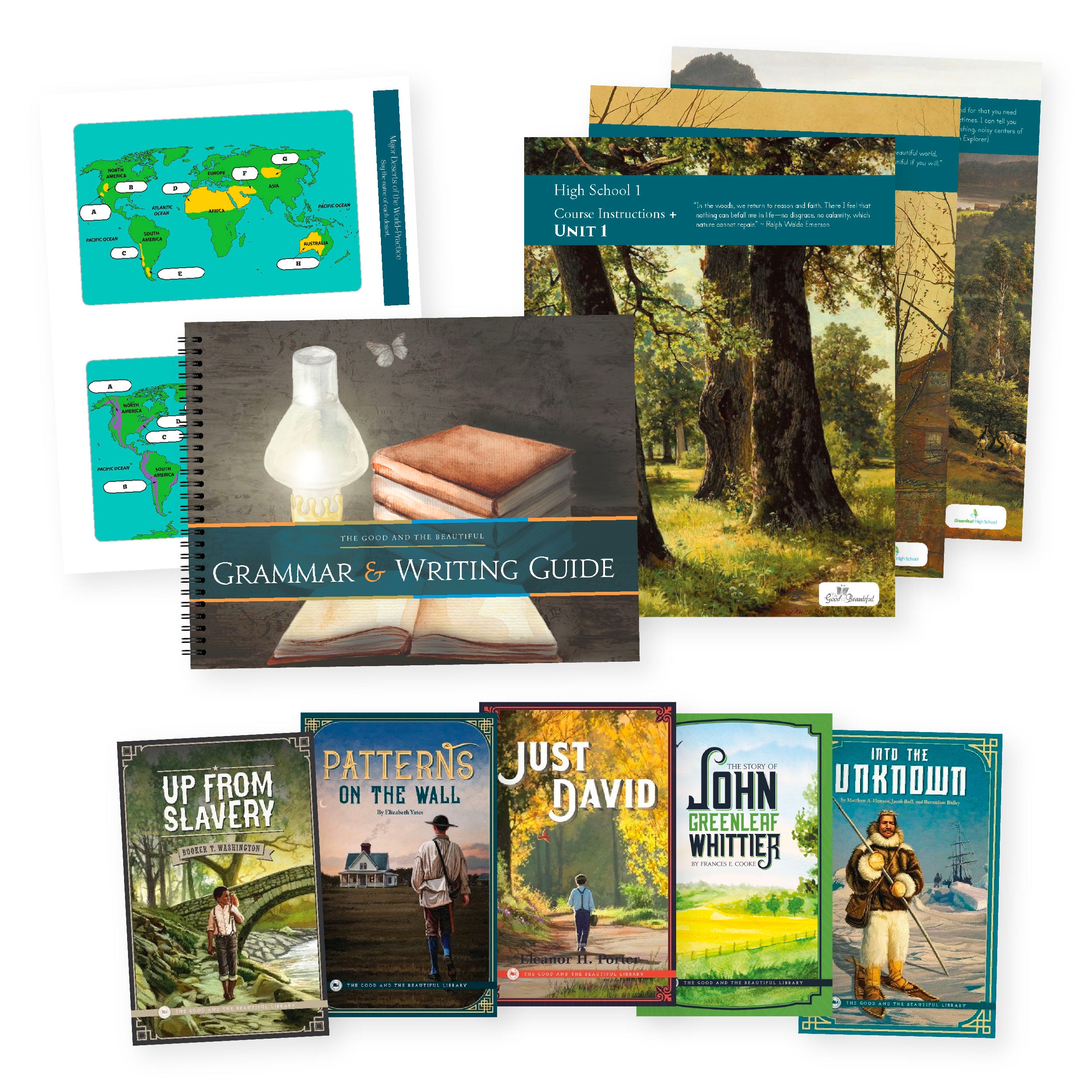
The Good and the Beautiful High School 1 Language Arts
Build strong writing and reading skills for college with this full-year, student-directed course covering literature, writing, grammar, and more.
Simply Good and Beautiful Math 1 (Free PDF)
The Good and the Beautiful is a Christian homeschool curriculum company offering Language Arts, Math, Science History, and elective courses.
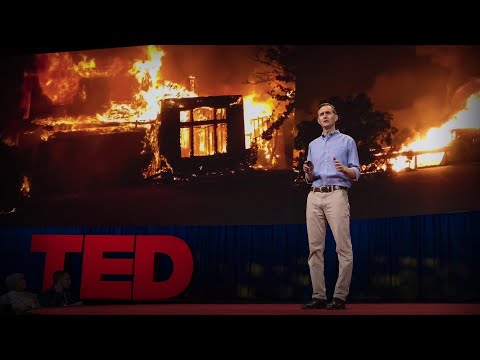
The Growing Megafire Crisis and How to Contain it George T Whitesides
Megafires, or fires that burn more than 100,000 acres, are becoming more frequent worldwide, wreaking havoc on landscapes and communities — and fire experts say the problem is only going to get worse. George T. Whitesides presents three emerging solutions to this blazing dilemma, calling for us to redefine our relationship with fire in order to build a more resilient and sustainable future.
The Benefits of Not Being a Jerk to Yourself Dan Harris
After more than 20 years as an ABC News anchor, an on-air panic attack sent Dan Harris's life in a new direction: he became a dedicated meditator and, to some, even a guru. In a wise, funny talk, he shares his years-long quest to improve his relationships (starting with himself) and explains the science behind loving-kindness meditation, how it can boost resiliency and quiet your inner critic.
Mysteries of Vernacular Clue Jessica Oreck
Clue or clew? Before the word clue became associated with mystery novels, it meant a ball of string or thread, a definition dating back to Greek mythology. Jessica Oreck unravels this mystery of the vernacular.
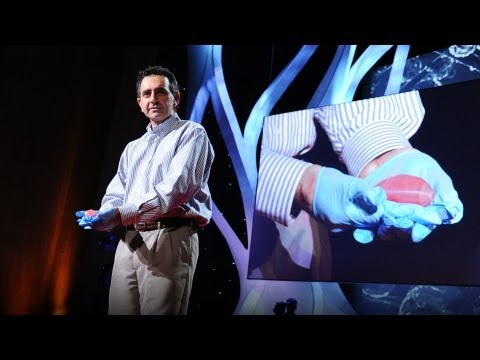
Printing a Human Kidney Anthony Atala
Surgeon Anthony Atala demonstrates an early-stage experiment that could someday solve the organ-donor problem: a 3D printer that uses living cells to output a transplantable kidney. Using similar technology, Dr. Atala's young patient Luke Massella received an engineered bladder 10 years ago; we meet him onstage.
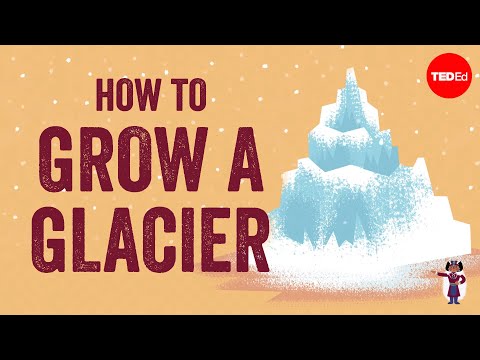
How to Grow Your Own Glacier M Jackson
In the 13th century, Genghis Khan embarked on a mission to take over Eurasia, swiftly conquering countries and drawing them into his empire. But, legend has it that there was one obstacle that even he couldn’t overcome: a towering wall of ice, grown by locals across a mountain pass. M Jackson explores the ancient methods of growing glaciers and how they can be used to combat climate change.

The Story Behind the Boston Tea Party Ben Labaree
In 1773, American colonists were taxed heavily for importing tea from Britain. The colonists, not fans of "taxation without representation", reacted by dumping tea into the Boston Harbor, a night now known as the Boston Tea Party. Ben Labaree gets into the nitty-gritty of that famous revolutionary act.

Is Telekinesis Real Emma Bryce
Telekinesis, the ability to manipulate matter with the mind alone, is a trait exhibited by some of the most iconic fictional characters, including Neo, Yoda, and, of course, Carrie. But is this mind control actually possible in real life? Emma Bryce subjects telekinesis to the scientific method.