Discover Resources
Browse curated homeschool resources from the community

Getting Started as a Dj Mixing Mashups and Digital Turntables Cole Plante
DJ and producer Cole Plante is only 17 years old, but he's already worked alongside industry superstars Skrillex, Avicii and Major Lazer (to name just a few). In this combination talk and DJ set, Plante shows off his mixing magic and gives tips to aspiring DJs.
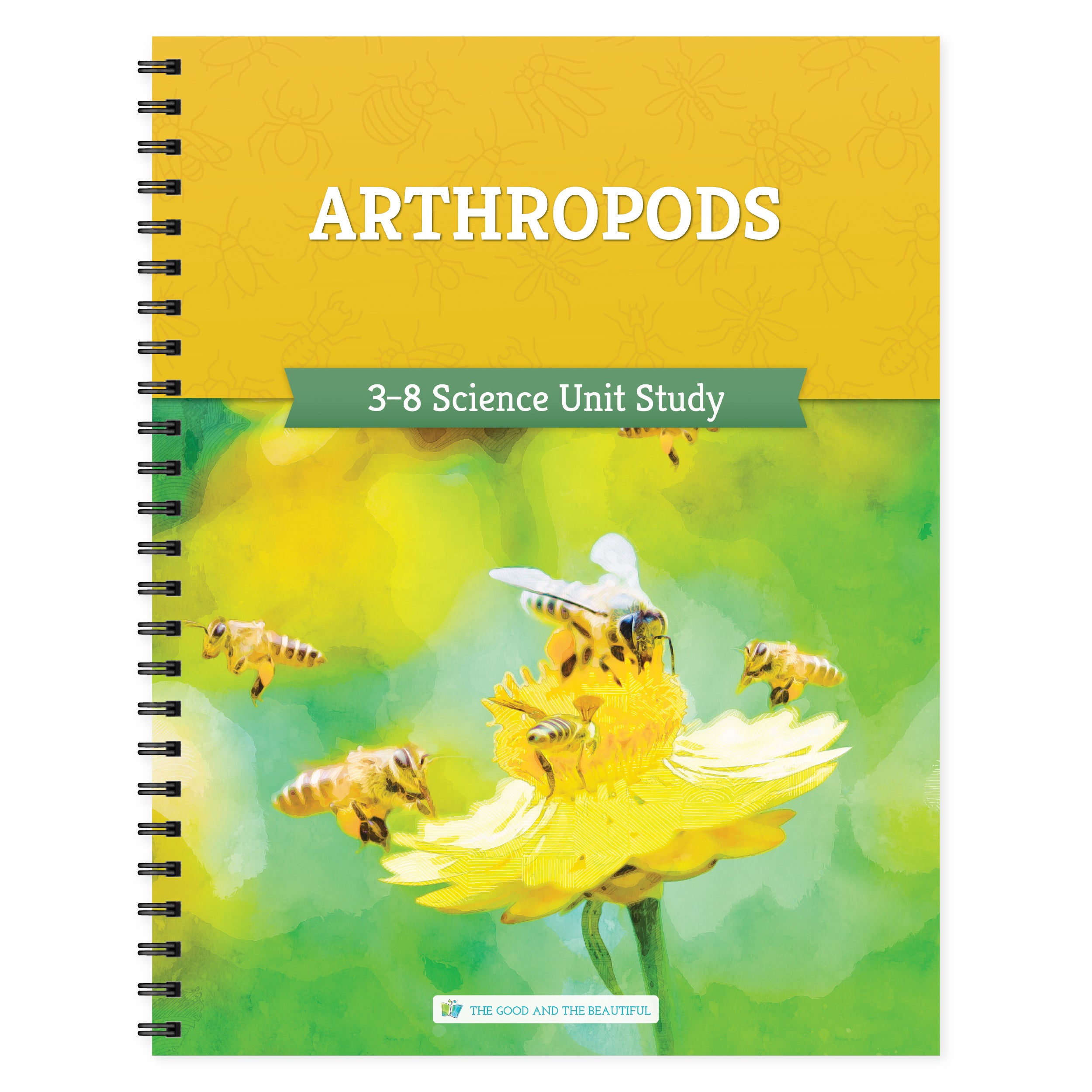
The Good and the Beautiful Arthropods
The full-color course book guides the parent through each of the 10 lessons in the Arthropods science course. Hands-on activities, engaging videos, vocabulary words, beautiful illustrations and images, along with engaging information is found throughout the course. Once you gather any simple lesson supplies, the lesson

Eli the Eel a Mysterious Migration James Prosek
They're slippery. They're slithery. And while they totally look like underwater snakes, eels are, in fact, unique fish that can breathe through their skin and even survive out of water. James Prosek tracks the life journey of Eli the Anguilla eel as she (yes, she) travels her mysterious "backward" migration from the sea to fresh water and back again.
Pruney Fingers a Gripping Story Mark Changizi
Why do fingers become pruney when they get wet? Likely, for the same reasons that tires have treads. Mark Changizi examines the evolutionary reasons for pruney fingers, while exploring natural and manmade phenomena, like river networks, that operate similarly.
How Did Polynesian Wayfinders Navigate the Pacific Ocean Alan Tamayose and Shantell De Silva
Imagine setting sail from Hawaii in a canoe. Your target is a small island thousands of kilometers away in the middle of the Pacific Ocean — a body of water that covers more than 160 million square kilometers. For thousands of years, Polynesian navigators managed voyages like this without the help of modern navigational aids. How did they do it? Alan Tamayose and Shantell De Silva explain.
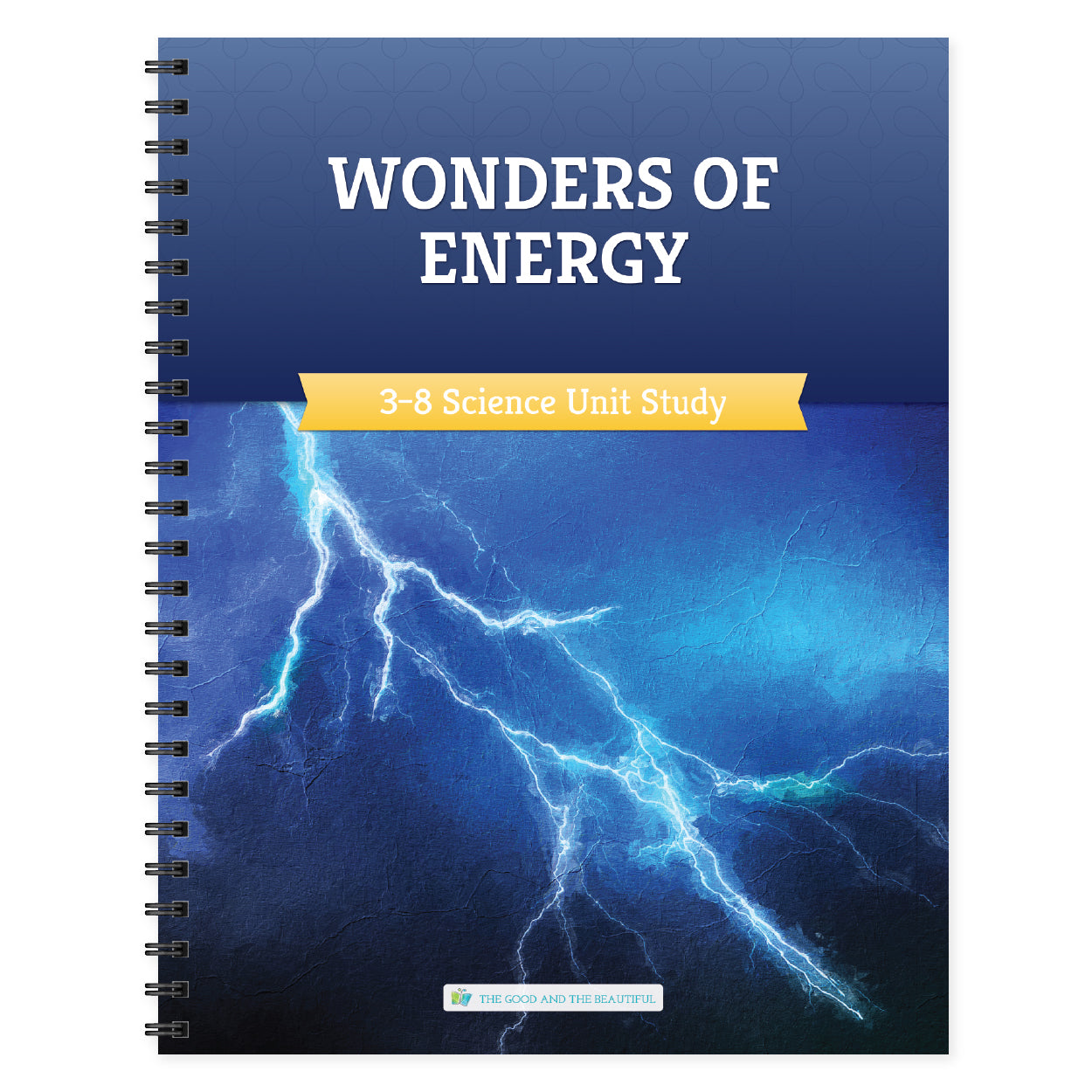
The Good and the Beautiful Wonders of Energy
The full-color course book guides the parent through each lesson in the Wonders of Energy science course. Hands-on activities, engaging videos, vocabulary words, beautiful illustrations and images, along with engaging information is found throughout the course. Once you gather any simple lesson supplies, the lessons ar

The Fundamentals of Space Time Part 3 Andrew Pontzen and Tom Whyntie
In the first two lessons of this series on space-time, we've dealt with objects moving at constant speeds, with straight world lines, in space-time. But what happens when you throw gravity into the mix? In this third and final lesson, CERN scientists Andrew Pontzen and Tom Whyntie explore what gravity means for space-time -- or rather, what space-time means for gravity.
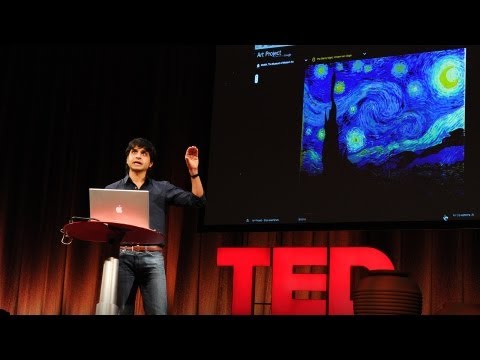
Building a Museum of Museums on the Web Amit Sood
Imagine being able to see artwork in the greatest museums around the world without leaving your chair. Driven by his passion for art, Amit Sood tells the story of how he developed Art Project to let people do just that.
Your Brain Can Solve Algorithms David J Malan
An algorithm is a method of solving problems both big and small. Though computers run algorithms constantly, humans can also solve problems with algorithms. David J. Malan explains how algorithms can be used in seemingly simple situations and also complex ones.

Pros and Cons of Public Opinion Polls Jason Robert Jaffe
How do public opinion polls work? And, more importantly, are they accurate? Jason Robert Jaffe reveals the complexities and biases of polls and provides tips on how to think about polls as we make everyday decisions.
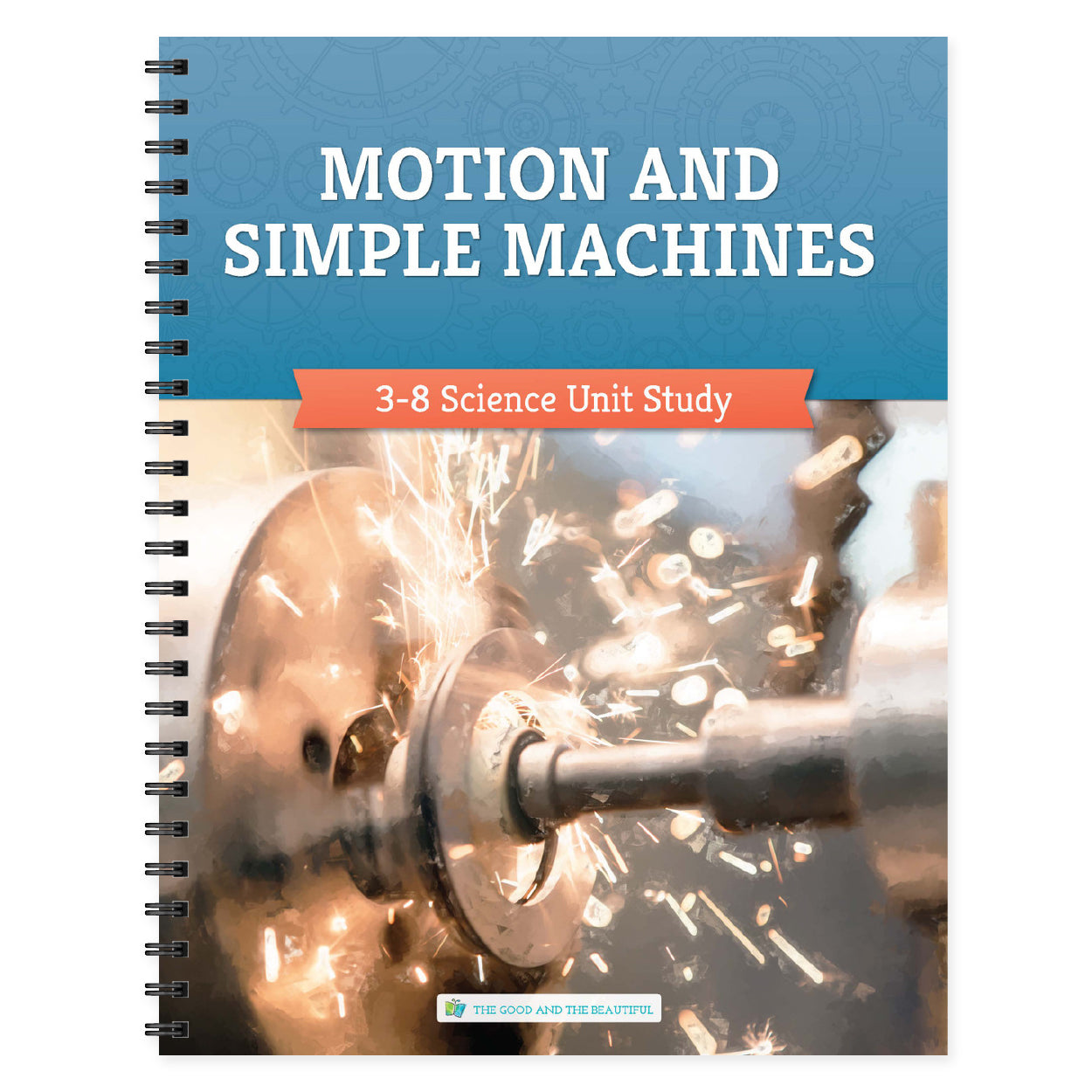
The Good and the Beautiful Motion and Simple Machines
The full-color course book guides the parent through each lesson in the Motion and Simple Machines science course. Hands-on activities, access to captivating videos, video, vocabulary words, beautiful illustrations and images, along with engaging information is found throughout the course. Once you gather any simple le

Reasons for the Seasons Rebecca Kaplan
Why do some regions experience full-time heat while others are reckoning with frigid temperatures and snow? And why are the seasons reversed in the two hemispheres? Rebecca Kaplan explains how the shape of the Earth's orbit around the Sun and the Earth's tilt on its axis affect the amount of sunlight each region receives.

Looks Aren T Everything Believe Me I M a Model Cameron Russell
Cameron Russell admits she won “a genetic lottery”: she's tall, pretty and an underwear model. But don't judge her by her looks. In this fearless talk, she takes a wry look at the industry that had her looking highly seductive at barely 16-years-old.

The Egyptian Book of the Dead Tejal Gala
Ancient Egyptians believed that in order to become immortal after death, a spirit must first pass through the underworld — a realm of vast caverns, lakes of fire, and magical gates. Needless to say, one needed to come prepared. But how? Tejal Gala describes an Egyptian "Book of the Dead" -- a customized magic scroll written by the living to promote a smooth passage to the afterlife when they died.
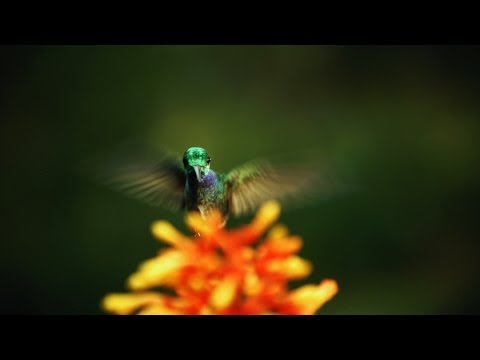
The Hidden Beauty of Pollination Louie Schwartzberg
Pollination: it's vital to life on Earth but largely unseen by the human eye. Filmmaker Louie Schwartzberg shows us the intricate world of pollen and pollinators with gorgeous high-speed images from his film "Wings of Life," inspired by the vanishing of one of nature's primary pollinators, the honeybee.

Silk the Ancient Material of the Future Fiorenzo Omenetto
Fiorenzo Omenetto shares 20+ astonishing new uses for silk, one of nature's most elegant materials -- in transmitting light, improving sustainability, adding strength and making medical leaps and bounds. On stage, he shows a few intriguing items made of the versatile stuff.

Can You Solve the Dark Coin Riddle Lisa Winer
As a world-renowned treasure hunter, you have been searching for the legendary dungeon containing the stash of ancient Stygian coins. The wizard who owns the castle has even allowed you to have them, on one condition…you must solve his seemingly impossible puzzle.

If Superpowers Were Real Super Speed Joy Lin
What if super speed wasn’t just the stuff of epic comic book stories? Is it scientifically possible to be super speed? In this series, Joy Lin tackles six superpowers and reveals just how scientifically realistic they can be to us mere mortals.
What on Earth is Spin Brian Jones
Why does the Earth spin? Does a basketball falling from a spinning merry-go-round fall in a curve, as it appears to, or in a straight line? How can speed be manipulated while spinning? In short, why is the spinning motion so special? Brian Jones details the dizzyingly wide array of ways that spinning affects our lives.

The Mysterious Origins of Life on Earth Luka Seamus Wright
Billions of years ago, simple organic compounds assembled into more complex coalitions that could grow and reproduce. At the time, Earth had widespread volcanic activity and a hostile atmosphere that made it almost devoid of a suitable environment for living things. So where did life begin? Luka Wright searches for the cradle of life that gave rise to the billions of species that inhabit our planet.
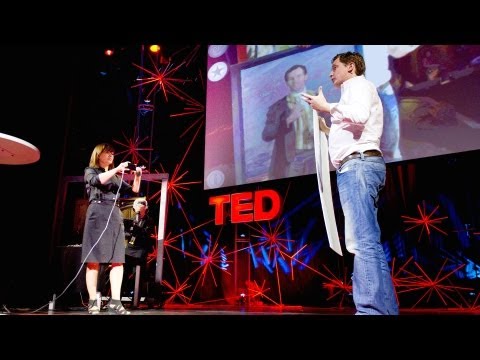
Image Recognition That Triggers Augmented Reality Matt Mills
Matt Mills and Tamara Roukaerts demonstrate Aurasma, a new augmented reality tool that can seamlessly animate the world as seen through a smartphone. Going beyond previous augmented reality, their "auras" can do everything from making a painting talk to overlaying live news onto a printed newspaper.