Discover Resources
Browse curated homeschool resources from the community

How Does Your Brain Respond to Pain Karen D Davis
Everyone experiences pain -- but why do some people react to the same painful stimulus in different ways? And what exactly is pain, anyway? Karen D. Davis walks you through your brain on pain, illuminating why the “pain experience” differs from person to person.

Can You Solve the Ragnarok Riddle Dan Finkel
Ragnarok: The fabled end of the world, when giants, monsters, and Norse gods battle for the future. The gods were winning until the great serpent Jörmungandr emerged. It swallowed Valhalla and contorted itself across the land. Odin has just enough power to strike with one final bolt of lightning, and you have the fabled hammer, Mjölnir. Can you two destroy the serpent? Dan Finkel shows how.

The Silk Road History s First World Wide Web Shannon Harris Castelo
With modern technology, a global exchange of goods and ideas can happen at the click of a button. But what about 2,000 years ago? Shannon Harris Castelo unfolds the history of the 5,000-mile Silk Road, a network of multiple routes that used the common language of commerce to connect the world's major settlements, thread by thread.
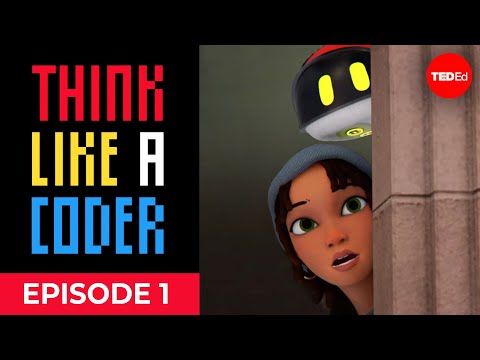
The Prison Break Think Like a Coder Ep 1
This is episode 1 of our animated series “Think Like A Coder.” This 10-episode narrative follows a girl, Ethic, and her robot companion, Hedge, as they attempt to save the world. The two embark on a quest to collect three artifacts and must solve their way through a series of programming puzzles.
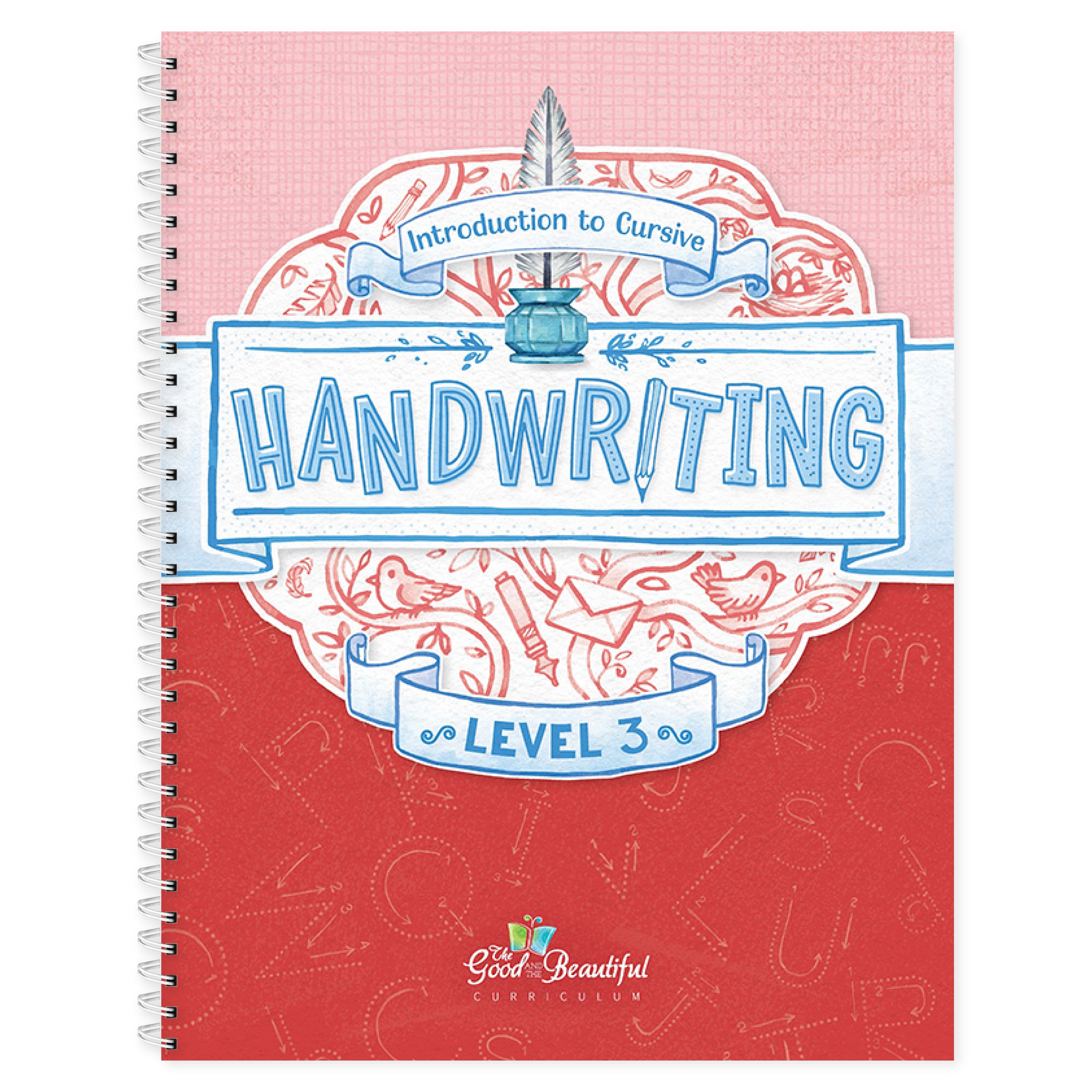
The Good and the Beautiful Handwriting Level 3
Handwriting Level 3 is for children in third grade. This course teaches cursive with a unique colored dot system developed by Jenny Phillips. The child follows the colored dots in the order of the rainbow, which makes it easy for children to correctly learn cursive with little to no help from parents. About 85% of the

Can You Solve the Giant Cat Army Riddle Dan Finkel
The villainous Dr. Schrödinger has developed a growth ray and intends to create an army of giant cats to terrorize the city. Your team of secret agents has tracked him to his underground lab. You burst in to find… that it’s a trap! Can you escape from Dr. Schrödinger’s lair and save the day? Dan Finkel shows how.
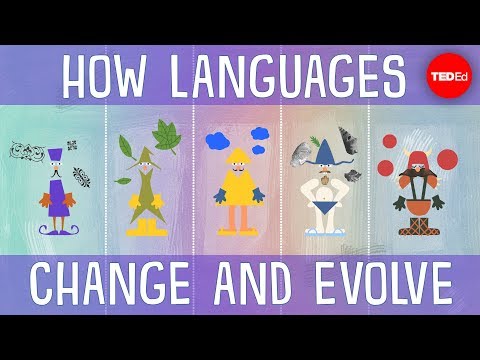
How Languages Evolve Alex Gendler
Over the course of human history, thousands of languages have developed from what was once a much smaller number. How did we end up with so many? And how do we keep track of them all? Alex Gendler explains how linguists group languages into language families, demonstrating how these linguistic trees give us crucial insights into the past.
Unintended Consequences Edward Tenner
Every new invention changes the world -- in ways both intentional and unexpected. Historian Edward Tenner tells stories that illustrate the under-appreciated gap between our ability to innovate and our ability to foresee the consequences.

How Humanity Got Hooked on Coffee Jonathan Morris
One day around 850 CE, a goatherd observed that his goats started acting abnormally after nibbling on some berries. The herder tried them himself, and soon enough, he was just as hyper. As the story goes, this was humanity’s first run-in with coffee. So, how did coffee go from humble plant to one of the world's most consumed beverages? Jonathan Morris traces the history of this energizing elixir.
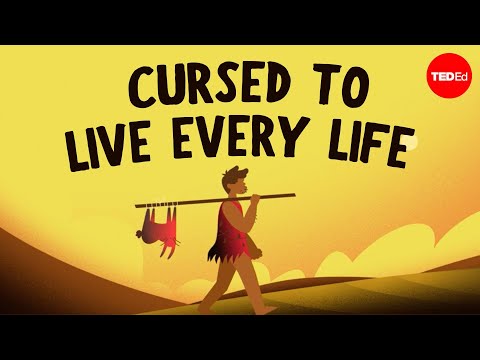
What If You Experienced Every Human Life
Imagine that your life began as one of the planet’s first humans. After dying, you're reincarnated as the second human ever to live. You then return as the third person, the fourth, the fifth, and so on – living the lives of every human that’s ever walked the Earth. How will your actions in one life impact your future selves? Explore the ethics of the philosophy known as longtermism.

Why the Human Rights Movement Needs to Be Reinvented Gerald Knaus Tedxgraz
Today the human rights movement is on the defensive across Europe and the US. Looking at three fundamental human rights issues — refugee rights, torture, and political prisoners — Gerald Knaus examines the failure of many current strategies to protect rights, policy options for activists to mobilize democratic majorities in their defense, and make an impact.

Try Something New for 30 Days Matt Cutts
Is there something you've always meant to do, wanted to do, but just ... haven't? Matt Cutts suggests: Try it for 30 days. This short, lighthearted talk offers a neat way to think about setting and achieving goals.

Why Good Leaders Make You Feel Safe Simon Sinek
What makes a great leader? Management theorist Simon Sinek suggests it's someone who makes their employees feel secure, who draws staffers into a circle of trust. But creating trust and safety — especially in an uneven economy — means taking on big responsibility.
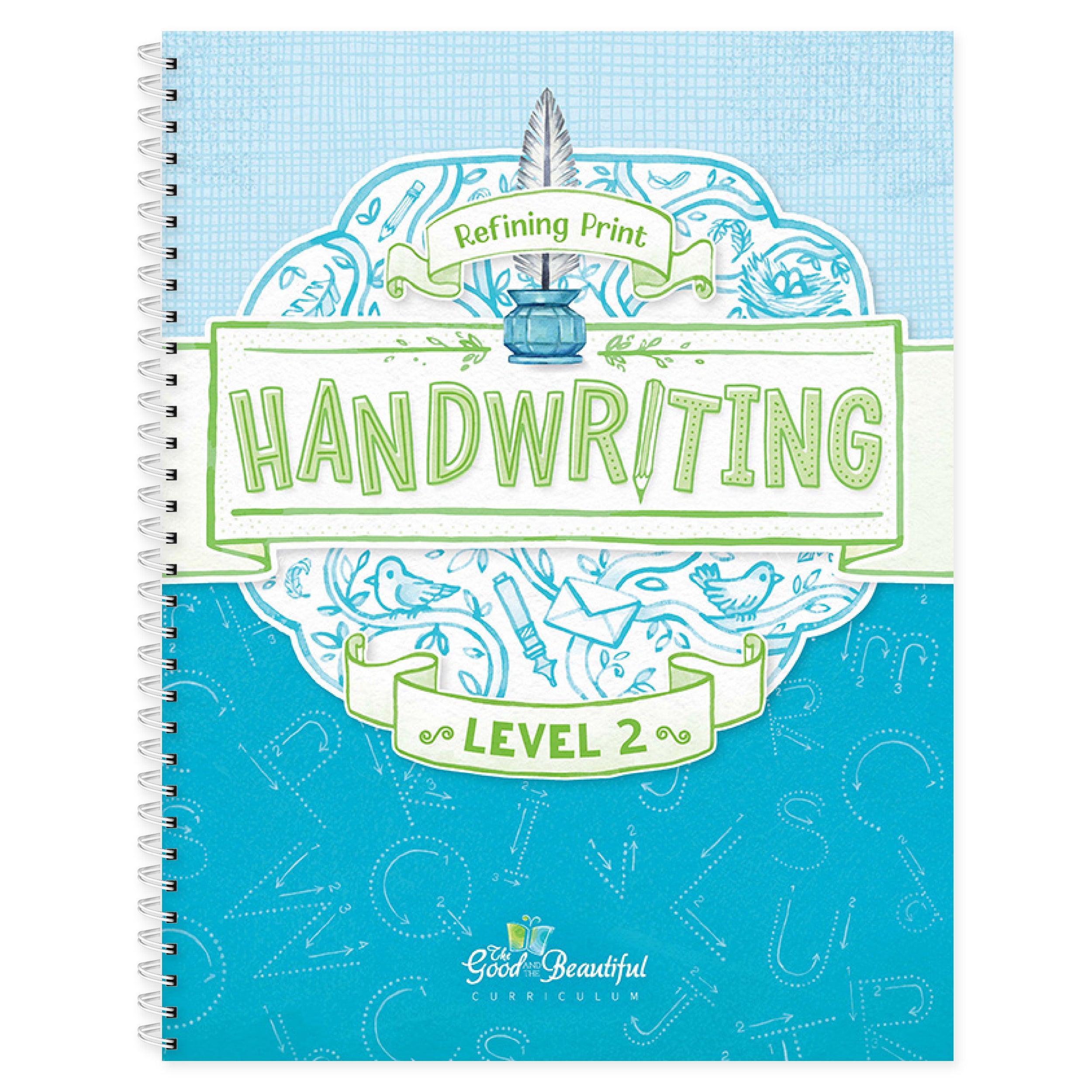
The Good and the Beautiful Handwriting Level 2
Handwriting Level 2 is for children in second grade. This course is for children with some handwriting experience who are still working on the correct print formation of letters and numbers. Words, sentences, Bible verses, and poems are introduced. Children review the spelling of numbers and learn to spell the names of

Can Other Animals Understand Death Barbara J King
In 2018, an orca called Tahlequah gave birth. But her daughter died within an hour. Tahlequah, however, didn’t leave her body. Over the next 17 days and 1,600 kilometers, she kept it afloat atop her own. By altering her feeding and travel patterns, Tahlequah’s behavior was certainly unusual. But was she mourning— or just confused? Barbara J. King explores whether nonhuman animals experience grief.
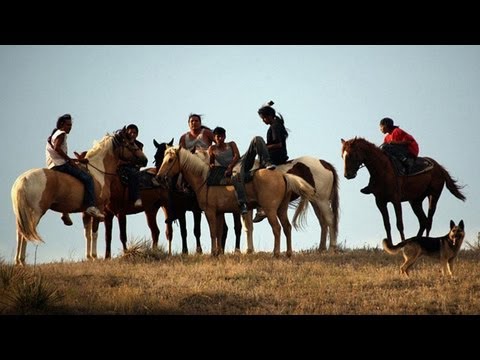
America s Native Prisoners of War Aaron Huey
Aaron Huey's effort to photograph poverty in America led him to the Pine Ridge Indian Reservation, where the struggle of the native Lakota people -- appalling, and largely ignored -- compelled him to refocus. Five years of work later, his haunting photos intertwine with a shocking history lesson in this bold, courageous talk. (Filmed at TEDxDU.)

Why Do Americans and Canadians Celebrate Labor Day Kenneth C Davis
In the United States and Canada, the first Monday of September is a federal holiday, Labor Day. Originally celebrated in New York City’s Union Square in 1882, Labor Day was organized by unions as a rare day of rest for the overworked during the Industrial Revolution. Kenneth C. Davis illustrates the history of Labor Day from Union Square to today.
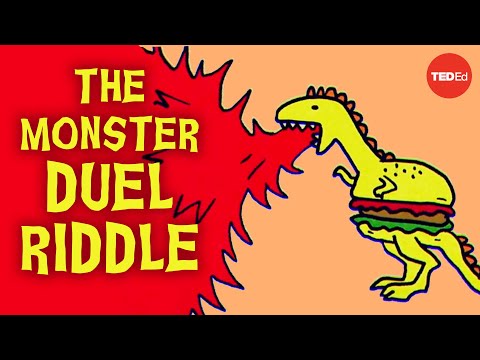
Can You Solve the Monster Duel Riddle Alex Gendler
You’ve come a long way to compete in the great Diskymon league and prove yourself a Diskymon master. Now that you’ve made it to the finals, you’re up against some tough competition. In round one, you’ll face a single opponent and get to choose your disk before she picks from the remaining two. Can you choose the one that gives you the best chance of winning? Alex Gendler shows how.
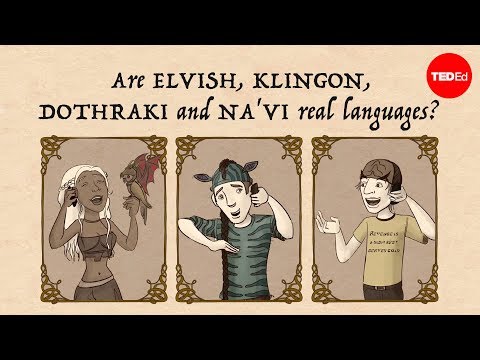
Are Elvish Klingon Dothraki and Na Vi Real Languages John Mcwhorter
What do Game of Thrones’ Dothraki, Avatar’s Na’vi, Star Trek’s Klingon and LOTR’s Elvish have in common? They are all fantasy constructed languages, or conlangs. Conlangs have all the delicious complexities of real languages: a high volume of words, grammar rules, and room for messiness and evolution. John McWhorter explains why these invented languages captivate fans long past the rolling credits.

Urbanization and the Future of Cities Vance Kite
About 10,000 years ago, hunter-gatherers, aided by rudimentary agriculture, moved to semi-permanent villages and never looked back. With further developments came food surpluses, leading to commerce, specialization and, many years later with the Industrial Revolution, the modern city. Vance Kite plots our urban past and how we can expect future cities to adapt to our growing populations.

My Glacier Cave Discoveries Eddy Cartaya
Snow Dragon. Pure Imagination. Frozen Minotaur. These are the names Eddy Cartaya and his climbing partner Brent McGregor gave three glacier caves that they were the first to explore, caves that are morphing constantly thanks to warm water and warm air. At TEDYouth, Cartaya takes us inside these magical spaces where ice glows in bright blues and greens, and where artifacts rain from the ceiling.

Hawking s Black Hole Paradox Explained Fabio Pacucci
Today, one of the biggest paradoxes in the universe threatens to unravel modern science: the black hole information paradox. Every object in the universe is composed of particles with unique quantum properties and even if an object is destroyed, its quantum information is never permanently deleted. But what happens to that information when an object enters a black hole? Fabio Pacucci investigates.