Discover Resources
Browse curated homeschool resources from the community

The 2 400 Year Search for the Atom Theresa Doud
How do we know what matter is made of? The quest for the atom has been a long one, beginning 2,400 years ago with the work of a Greek philosopher and later continued by a Quaker and a few Nobel Prize-winning scientists. Theresa Doud details the history of atomic theory.
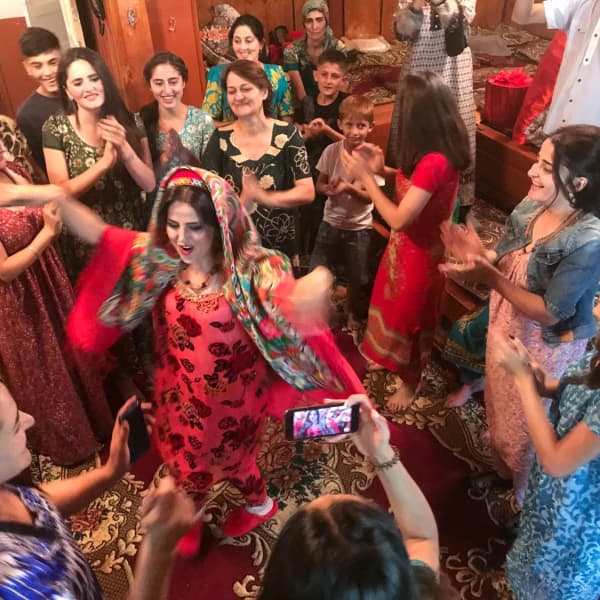
Out of Eden Walk: Exploring Culture
Explore diverse cultural stories with National Geographic Explorer and journalist Paul Salopek. Analyze stories of cultures from around the world and challenge students to identify stories from their own communities.
How Do Us Supreme Court Justices Get Appointed Peter Paccone
There’s a job out there with a great deal of power, pay, prestige, and near-perfect job-security. And there’s only one way to be hired: get appointed to the US Supreme Court. But how do US Supreme Court Justices actually get that honor? Peter Paccone outlines the difficult process of getting a seat on the highest bench in the country.

Ideasthesia How Do Ideas Feel Danko Nikolic
The traditional model of our mental function is that first our senses provide data to our brain, which then translates those senses into the appropriate mental phenomena: light into visual images, air vibrations into auditory experiences, etc. But what if that process is actually occurring simultaneously? Danko Nikolić describes the theory of ideasthesia.
National Geographic Education Home
Engage with National Geographic Explorers and transform learning experiences through live events, free maps, videos, interactives, and other resources.
National Geographic Education Resource Library Search
Search educational experiences to engage with National Geographic Explorers through live events, free maps, videos, interactives, and other resources.

National Geographic For Educators Portal
National Geographic is where education meets exploration.
At What Moment Are You Dead Randall Hayes
For as far back as we can trace our existence, humans have been fascinated with death and resurrection. But is resurrection really possible? And what is the actual difference between a living creature and a dead body anyway? Randall Hayes delves into the scientific theories that seek to answer these age-old questions.

The Wacky History of Cell Theory
Scientific discovery isn't as simple as one good experiment. The weird and wonderful history of cell theory illuminates the twists and turns that came together to build the foundations of biology.
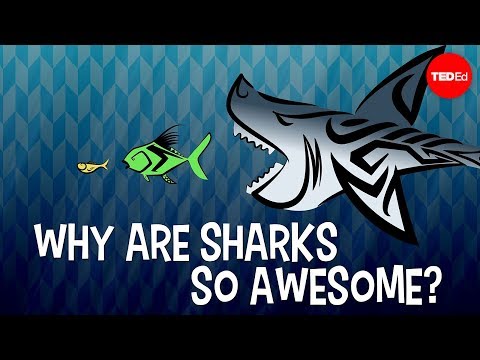
Why Are Sharks so Awesome Tierney Thys
Sharks have been celebrated as powerful gods by some native cultures. And today, sharks are recognized as apex predators of the world’s ocean. What is it that makes these fish worthy of our ancient legends and so successful in the seas? Tierney Thys takes us into the ocean to find out.

Everything You Need to Know to Read Mary Shelley s Frankenstein Iseult Gillespie
In 1815, Lord Byron proposed a challenge to a few literary guests he had gathered in his house on Lake Geneva: Who could write the most chilling ghost story? This question sparked an idea in eighteen-year-old Mary Shelley who, over the next few months, crafted the story of “Frankenstein.” Iseult Gillespie shares everything you need to know to read Mary Shelley’s classic novel.
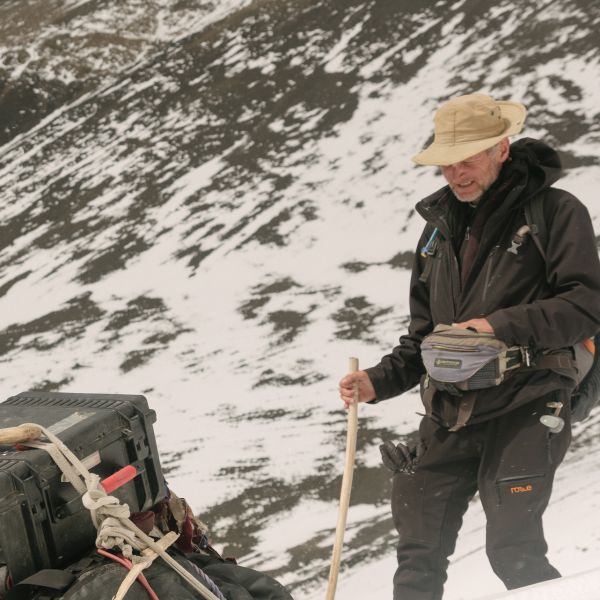
National Geographic Out of Eden Walk
Paul Salopek, a National Geographic Fellow and Pulitzer Prize-winning journalist, is conducting an experiment in slow journalism by retracing the journey of some of our human ancestors’ migration beyond Africa. He began his multiyear journey in 2013 in Ethiopia, and will walk around 33,800 kilometers (21,000 miles) ending at the southern tip of South America. Along the way, he is walking with guides, stopping to speak with local people and document their stories, and sharing his experiences along the way. Educators can use the following interactive maps, activities, and other educational resources in their classrooms.

Encyclopedic Entry: Global Warming
The causes, effects and complexities of global warming are important to understand so that we can fight for the health of our planet.
Encyclopedic Entry: Pollution
Pollution is the introduction of harmful materials into the environment. These harmful materials are called pollutants.

How Spontaneous Brain Activity Keeps You Alive Nathan s Jacobs
The wheels in your brain are constantly turning, even when you're asleep or not paying attention. In fact, most of your brain’s activities are ones you’d never be aware of … unless they suddenly stopped. Nathan S. Jacobs takes us inside the always active, surprisingly spontaneous brain.
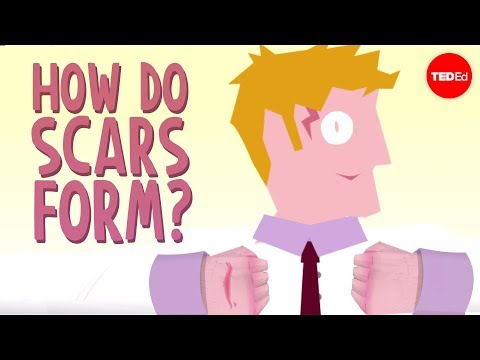
How Do Scars Form Sarthak Sinha
It’s hard to escape childhood without racking up a few scars. Why do these leftover reminders of a painful cut or crash look different from the rest of our skin? And why do they stick around for so long after the incident that caused them? Sarthak Sinha explains how scars form.