conservation
Resources

TED-Ed: Why Is Biodiversity So Important?
Our planet’s diverse, thriving ecosystems may seem like permanent fixtures, but they’re actually vulnerable to collapse. Jungles can become deserts, and reefs can become lifeless rocks. What makes one ecosystem strong and another weak in the face of change? Kim Preshoff details why the answer, to a large extent, is biodiversity.
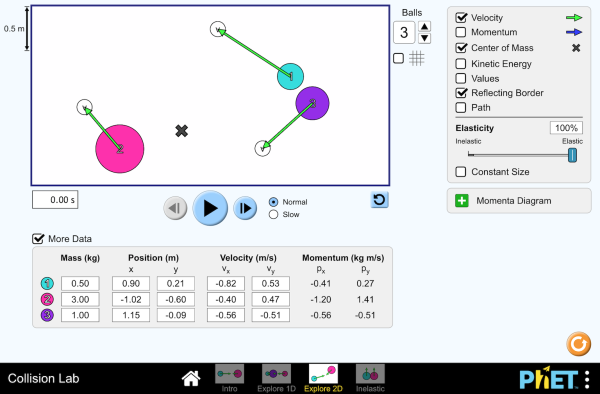
PhET: Collision Lab
Investigate simple collisions in 1D and more complex collisions in 2D. Experiment with the number of balls, masses, and initial conditions. Vary the elasticity and see how the total momentum and kinetic energy change during collisions.
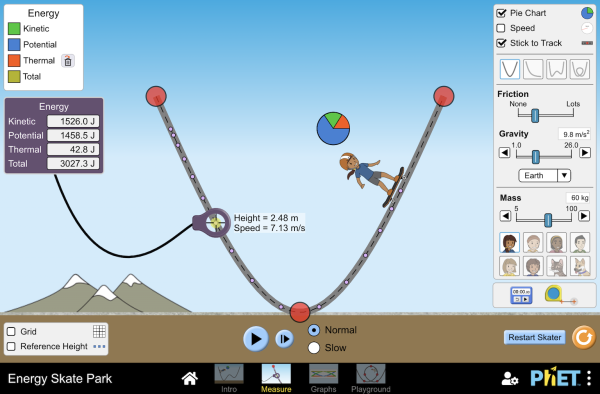
PhET: Energy Skate Park
Learn about the conservation of energy at the skate park! Build tracks, ramps, and jumps for the skater. View the skater's kinetic energy, potential energy, and thermal energy as they move along the track. Measure the speed and adjust the friction, gravity, and mass.
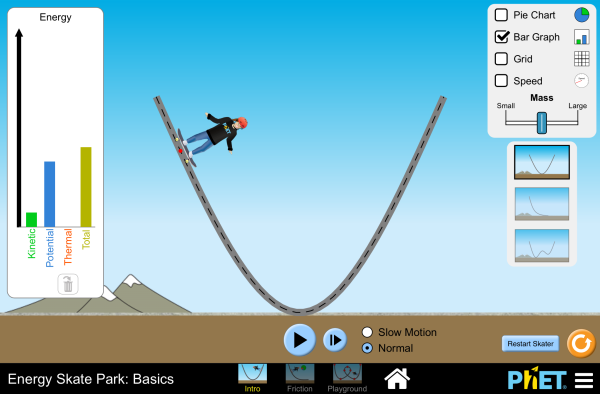
PhET: Energy Skate Park: Basics
Learn about conservation of energy with a skater gal! Explore different tracks and view the kinetic energy, potential energy and friction as she moves. Build your own tracks, ramps, and jumps for the skater.

TED-Ed: Environmental Science Lessons
TED-Ed celebrates the ideas of teachers and students around the world. Discover hundreds of animated lessons, create customized lessons, and share your big ideas.
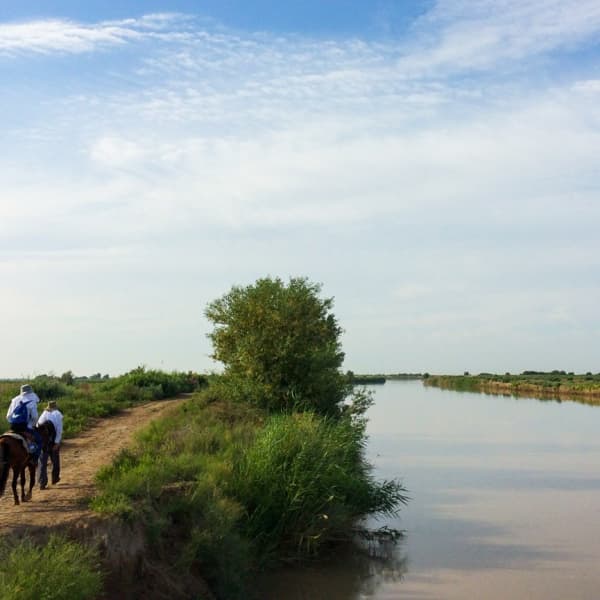
Out of Eden Walk: Exploring Water
Explore diverse stories of the role of water in human lives with National Geographic Explorer and journalist Paul Salopek. Analyze stories of water from around the world and challenge students to identify stories from their own communities.
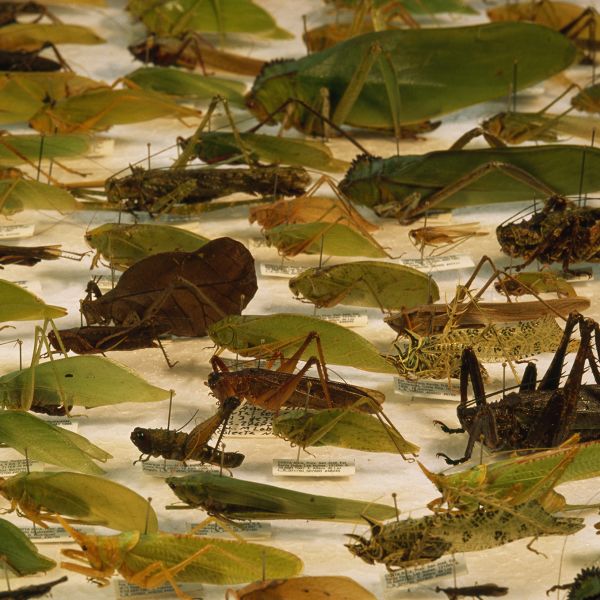
Encyclopedic Entry: Biodiversity
Biodiversity refers to the variety of living species on Earth, including plants, animals, bacteria and fungi. While Earth’s biodiversity is so rich that many species have yet to be discovered, many species are being threatened with extinction due to human activities, putting the Earth’s magnificent biodiversity at risk.
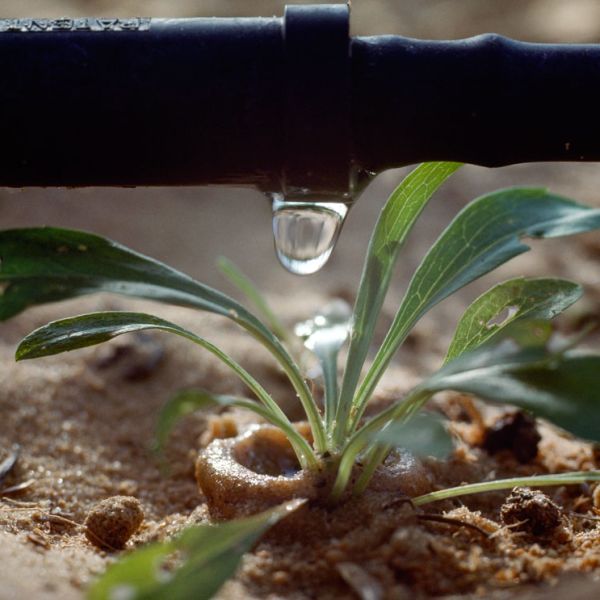
Managing Resources Unit
Individuals, communities, and countries depend on a variety of different resources to help them thrive: electricity, timber, oil, water, and food, to name a few. Because these basic resources are such a large part of our daily lives, it is important that we manage them responsibly to ensure future generations have what they need. Human civilization heavily impacts the environment and the rich natural resources we depend on. All communities face the challenge of managing resources responsibly, not only for themselves, but for the sake of the world around them. Learn more about how individuals and communities can manage their resources to support themselves and the world around them.
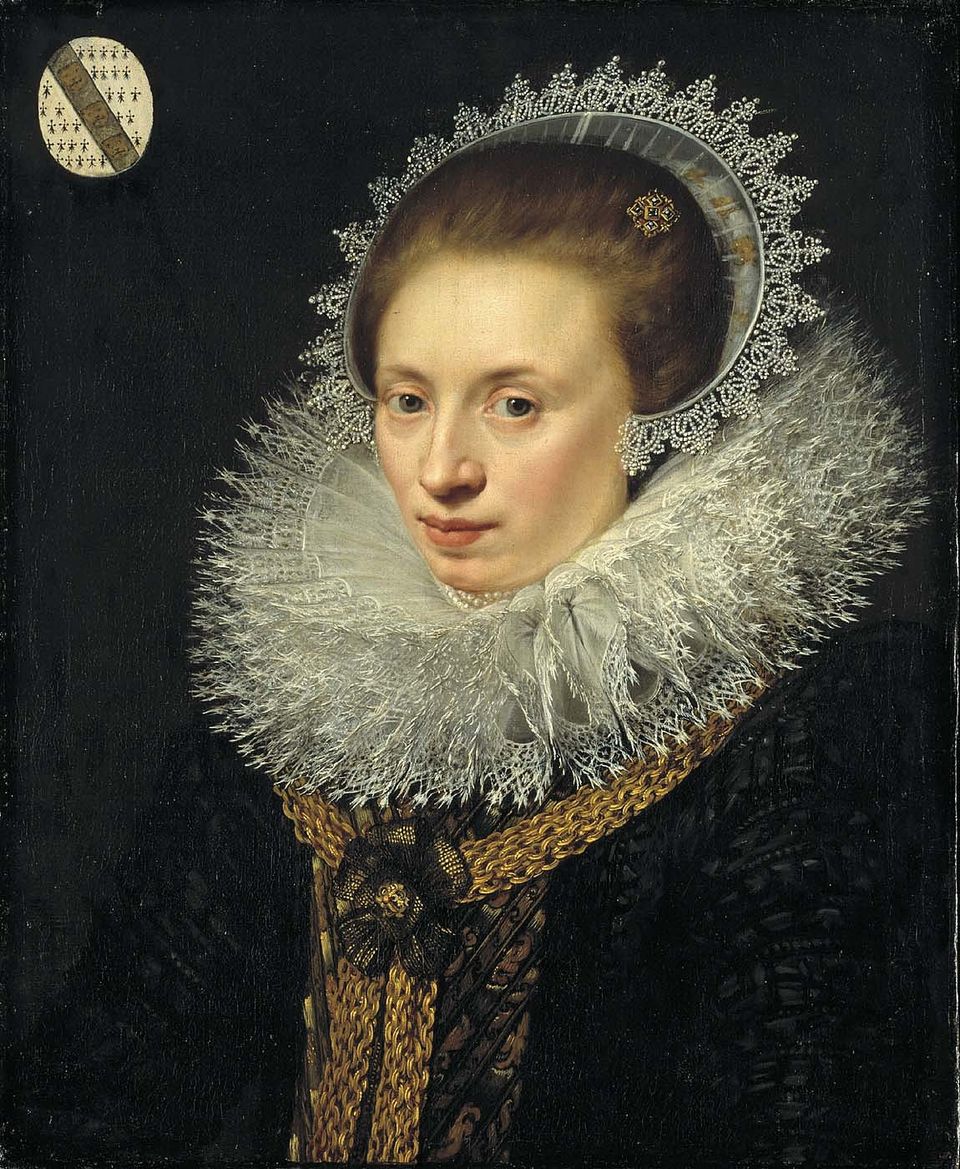
SAAM: Science and Technology Through Art
Discover how you can integrate American art into your classroom. The Smithsonian American Art Museum’s educational materials are free for your use. Teacher Guides are downloadable PDFs, listed with corresponding standards and grade levels for your convenience.

Geography Standard 14: Human Modification of Environment
How human actions modify the physical environment.