Discover Resources
Browse curated homeschool resources from the community

Beowulfs Three Bloodiest Battles Iseult Gillespie
An epic written in Old English, “Beowulf” is known for its haunting monsters, dream-like language, and paranoid perspective, where violent threats are always waiting on the fringes of society. The action follows Beowulf, a prince of Geats, who travels to aid a kingdom in freeing itself from a monster’s reign of terror. Why is this poem considered a classic? Iseult Gillespie traces the hero’s tale.
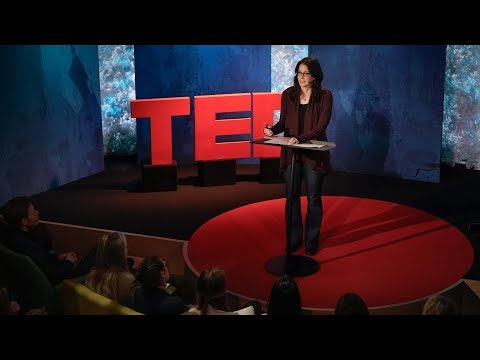
How to Lead a Conversation Between People Who Disagree Eve Pearlman
In a world deeply divided, how do we have hard conversations with nuance, curiosity, respect? Veteran reporter Eve Pearlman introduces "dialogue journalism": a project where journalists go to the heart of social and political divides to support discussions between people who disagree. See what happened when a group that would have never otherwise met gathered to talk about contentious issues.

How Vampire Bats Drink Your Blood Without You Noticing Imran Razik
Vampire bats are the only mammals to subsist on blood alone. Their ancient ancestors might have eaten parasites and insects off larger animals until vampire bats began feeding directly from those animals themselves. So, how do these nocturnal creatures find their sustenance? And what animals do they most commonly target? Imran Razik follows the nighttime routine of a vampire bat as she hunts.

How Big is the Ocean Scott Gass
While the Earth’s oceans are known as five separate entities, there is really only one ocean. So, how big is it? As of 2013, it takes up 71% of the Earth, houses 99% of the biosphere, and contains some of Earth’s grandest geological features. Scott Gass reminds us of the influence humans have on the ocean and the influence it has on us.
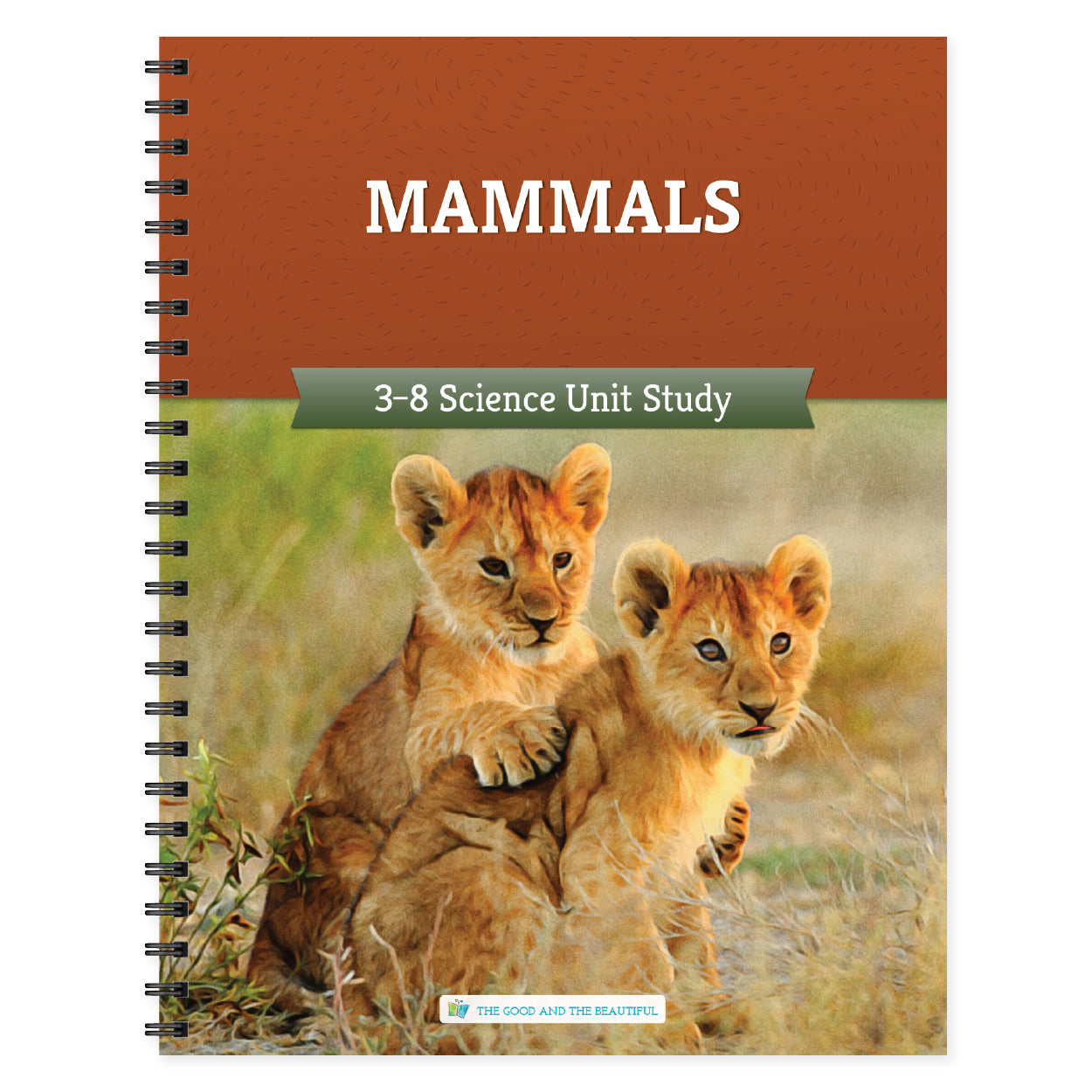
The Good and the Beautiful Mammals
The full-color course book guides the parent through each lesson in the Mammals science course. Hands-on activities, engaging videos, vocabulary words, beautiful illustrations and images, along with engaging information is found throughout the course. Once you gather any simple lesson supplies, the lessons are open-and

The Dark History of Mount Rushmore Ned Blackhawk and Jeffrey D Means
Between 1927 and 1941, workers blasted 450,000 tons of rock from a mountainside using chisels, jackhammers, and dynamite. Gradually, they carved out Mount Rushmore. Today, the monument draws nearly 3 million people to South Dakota’s Black Hills every year. But its façade belies a dark history. Ned Blackhawk and Jeffrey D. Means explore the destruction of the sacred Six Grandfathers Mountain.

The Sharks That Hunt in Forests Luka Seamus Wright
Forests don’t usually come to mind as a habitat for sharks. But marine forests provide a home for 35% of the world’s sharks. Mangrove forests in particular function as an essential bridge between land and sea and have evolved various adaptations that protect them and their resident sharks. Luka Seamus Wright explores these unique and vital ecosystems.


The Dark History of Zombies Christopher M Moreman
Zombies have a distinct lineage— one that traces back to Equatorial and Central Africa. For three centuries, African people were enslaved and brought to the Caribbean Islands. There, a religion known as vodou developed, along with the belief that a person’s soul can be captured and stored, becoming a body-less zombie. Christopher M. Moreman uncovers the true origins of the undead.
The Tragic Myth of the Sun God s Son Iseult Gillespie
Every morning, Helios unleashed his golden chariot, and set out across the sky. As the Sun God transformed dawn into day, he thought of his son, Phaethon, below. To prove to Phaethon that he was truly his father, Helios decided to grant him anything he wanted. Unfortunately, what Phaethon wanted was to drive Helios’ chariot for a day. Iseult Gillespie shares the tragic myth of the charioteer.

TED-Ed: The Big Questions
TED-Ed celebrates the ideas of teachers and students around the world. Discover hundreds of animated lessons, create customized lessons, and share your big ideas.
TED-Ed: Physical Science Lessons
TED-Ed celebrates the ideas of teachers and students around the world. Discover hundreds of animated lessons, create customized lessons, and share your big ideas.
You Are Your Microbes Jessica Green and Karen Guillemin
From the microbes in our stomachs to the ones on our teeth, we are homes to millions of unique and diverse communities which help our bodies function. Jessica Green and Karen Guillemin emphasize the importance of understanding the many organisms that make up each and every organism.
How to Build a Fictional World Kate Messner
Why is J.R.R. Tolkien’s Lord of the Rings trilogy so compelling? How about The Matrix or Harry Potter? What makes these disparate worlds come alive are clear, consistent rules for how people, societies -- and even the laws of physics -- function in these fictional universes. Author Kate Messner offers a few tricks for you, too, to create a world worth exploring in your own words.

Titan of Terror the Dark Imagination of H P Lovecraft Silvia Moreno Garcia
Arcane books of forbidden lore, disturbing secrets in the family bloodline, and terrors so unspeakable the very thought of them might drive you mad. These have become standard elements in modern horror stories. But they were largely popularized by a single author: H.P. Lovecraft, whose name has become synonymous with the terror he inspired. Silvia Moreno-García dissects the “Lovecraftian” legacy.

How Do Geckos Defy Gravity Eleanor Nelsen
Geckos aren’t covered in adhesives or hooks or suction cups, and yet they can effortlessly scale vertical walls and hang from ceilings. What’s going on? Eleanor Nelsen explains how geckos’ phenomenal feet allow them to defy gravity.