Discover Resources
Browse curated homeschool resources from the community
Ethical Dilemma Should We Get Rid of Mosquitoes Talya Hackett
Mosquitoes are responsible for more human deaths every year than any other animal, but very few of the 3,500 mosquito species actually transmit deadly diseases to humans. Scientists have been conducting experiments using engineered technologies called gene drives that could theoretically get rid of the most lethal mosquitoes. So, should we eradicate these pesky insects? Talya Hackett investigates.

The Good and the Beautiful Science Overview
The Good and the Beautiful is a Christian homeschool curriculum company offering Language Arts, Math, Science History, and elective courses.
How to Manage Your Emotions
After a week of studying, you feel confident that you'll ace your exam. But when you get your grade back, it's much lower than you expected. You’re devastated, and the disappointment is hard to shake. Should you be trying to look on the bright side? And is controlling your emotions even possible? Explore techniques to help you identify, understand, and regulate your emotions.

A Guide to the Energy of the Earth Joshua M Sneideman
Energy is neither created nor destroyed — and yet the global demand for it continues to increase. But where does energy come from, and where does it go? Joshua M. Sneideman examines the many ways in which energy cycles through our planet, from the sun to our food chain to electricity and beyond.

The Wild World of Flesh Eating Plants Kenny Coogan
Around the world there are more than 600 plant species that supplement a regular diet of sunlight, water and soil with insects, frogs and even rats. Flies, tadpoles and beetles fall prey to the remarkable, predatory antics of carnivorous plants. What exactly are carnivorous plants and how do they trap their prey? Kenny Coogan dives into the world of these flesh-eating tricksters.

The First Asteroid Ever Discovered Carrie Nugent
Over the course of history, we’ve discovered hundreds of thousands of asteroids. But how do astronomers discover these bits of rock and metal? How many have they found? And how do they tell asteroids apart? Carrie Nugent shares the story of the very first asteroid ever discovered and explains how asteroid hunters search for these celestial bodies.

The Moon Illusion Andrew Vanden Heuvel
Have you noticed how the full moon looks bigger on the horizon than high overhead? Actually, the two images are exactly the same size -- so why do we perceive them differently? Scientists aren't sure, but there are plenty of intriguing theories. Andrew Vanden Heuvel unravels the details of focus, distance and proportion that contribute to this mystifying optical illusion.

How to Avoid Miscommunication Katherine Hampsten
Have you ever talked with a friend about a problem, only to realize that he just doesn’t seem to grasp why the issue is so important to you? Have you ever presented an idea to a group, and it’s met with utter confusion? What’s going on here? Katherine Hampsten describes why miscommunication occurs so frequently, and how we can minimize frustration while expressing ourselves better.
How to Avoid Choking Under Pressure Noa Kageyama and Pen Pen Chen
Your favorite athlete closes in for a win; the crowd holds its breath, and at the crucial moment ... she misses the shot. That competitor just experienced the phenomenon known as “choking,” where despite months, even years, of practice, a person fails right when it matters most. Why does this happen, and what can we do to avoid it? Noa Kageyama and Pen-Pen Chen explain why we choke under pressure.

How Does Your Brain Respond to Pain Karen D Davis
Everyone experiences pain -- but why do some people react to the same painful stimulus in different ways? And what exactly is pain, anyway? Karen D. Davis walks you through your brain on pain, illuminating why the “pain experience” differs from person to person.
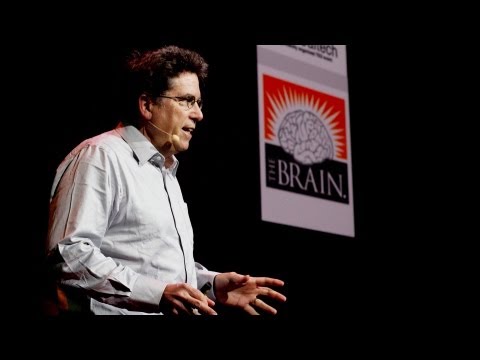
Your Brain is More Than a Bag of Chemicals David Anderson 2
Modern psychiatric drugs treat the chemistry of the whole brain, but neurobiologist David Anderson believes in a more nuanced view of how the brain functions. He illuminates new research that could lead to targeted psychiatric medications -- that work better and avoid side effects. How's he doing it? For a start, by making a bunch of fruit flies angry. (Filmed at TEDxCaltech.)

Encyclopedic Entry: Nonrenewable Resources
Nonrenewable energy resources include coal, natural gas, oil, and nuclear energy. Once these resources are used up, they cannot be replaced, which is a major problem for humanity as we are currently dependent on them to supply most of our energy needs.

Should You Be Worried About Acid Rain Joseph Goffman
In 1963, scientists studying Hubbard Brook Experimental Forest made a shocking discovery. Their most recent rainfall samples were nearly 100 times more acidic than usual; which could destroy the area’s ecosystems in a matter of decades. What was causing this deadly rainfall? And what could be done to stop it? Joseph Goffman details how scientists transformed this major threat into a minor issue.

What Color is Tuesday Exploring Synesthesia Richard E Cytowic
How does one experience synesthesia -- the neurological trait that combines two or more senses? Synesthetes may taste the number 9 or attach a color to each day of the week. Richard E. Cytowic explains the fascinating world of entangled senses and why we may all have just a touch of synesthesia.
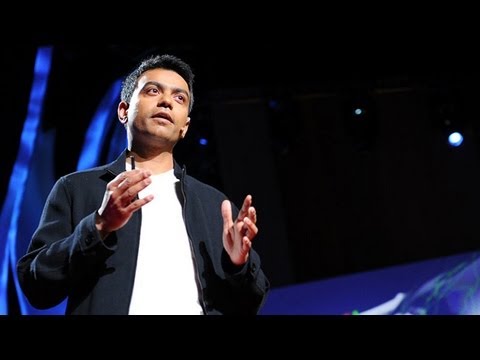
Deb Roy the Birth of a Word
MIT researcher Deb Roy wanted to understand how his infant son learned language -- so he wired up his house with video cameras to catch every moment (with exceptions) of his son's life, then parsed 90,000 hours of home video to watch "gaaaa" slowly turn into "water." This astonishing, data-rich research has deep implications for how we learn.

Easy Peasy Science — Biology (Levels 1-8)
We have compiled all of the worksheets used in this course. You can print them yourself or purchase them bound in book form. These are NOT a full offline course, just the worksheets used in this on…

How Do Drugs Affect the Brain Sara Garofalo
Most people will take a pill, receive an injection, or otherwise take some kind of medicine during their lives. But most of us don’t know anything about how these substances actually work. How can various compounds impact the way we physically feel, think, and even behave? Sara Garofalo explains how some drugs can alter the communication between cells in the brain.
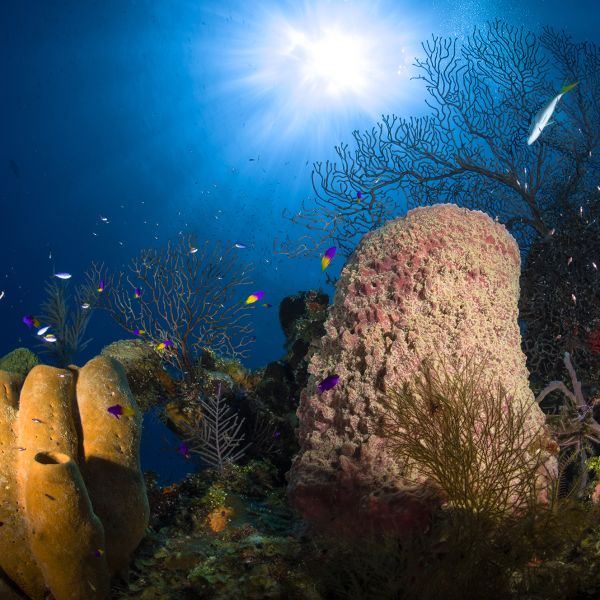
Encyclopedic Entry: Coral Reef
A reef is a ridge of material at or near the surface of the ocean. There are natural and artificial reefs.