environment
Resources

TED-Ed: What Happens to Plastic You Throw Away?
We’ve all been told that we should recycle plastic bottles and containers. But what actually happens to the plastic if we just throw it away? Emma Bryce traces the life cycles of three different plastic bottles, shedding light on the dangers these disposables present to our world.
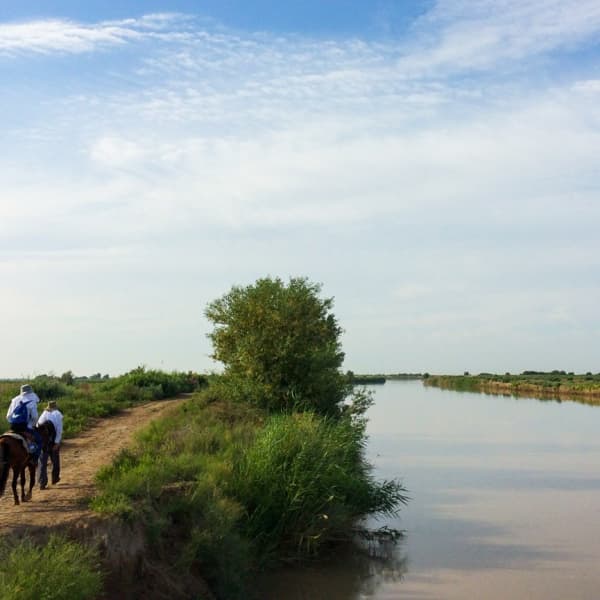
Out of Eden Walk: Exploring Water
Explore diverse stories of the role of water in human lives with National Geographic Explorer and journalist Paul Salopek. Analyze stories of water from around the world and challenge students to identify stories from their own communities.
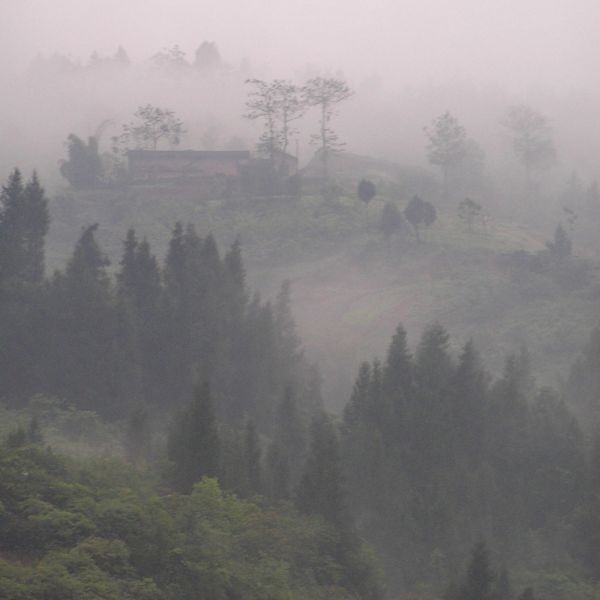
Encyclopedic Entry: Air Pollution
Air pollution consists of chemicals or particles in the air that can harm the health of humans, animals and plants. It can even damage buildings.
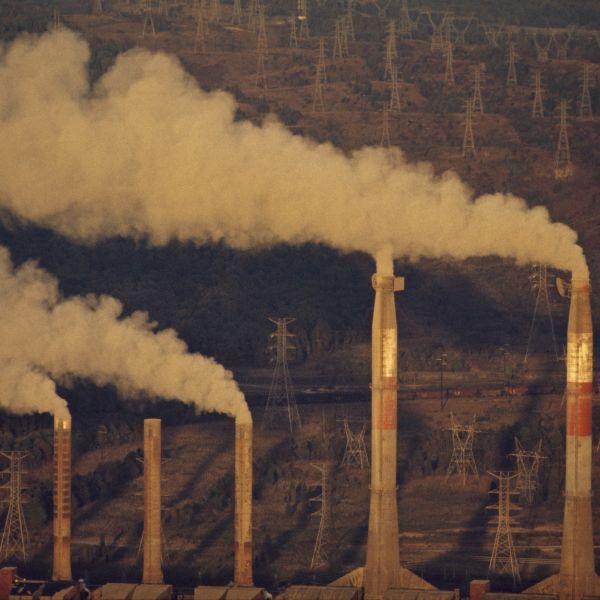
Encyclopedic Entry: Global Warming
The causes, effects and complexities of global warming are important to understand so that we can fight for the health of our planet.
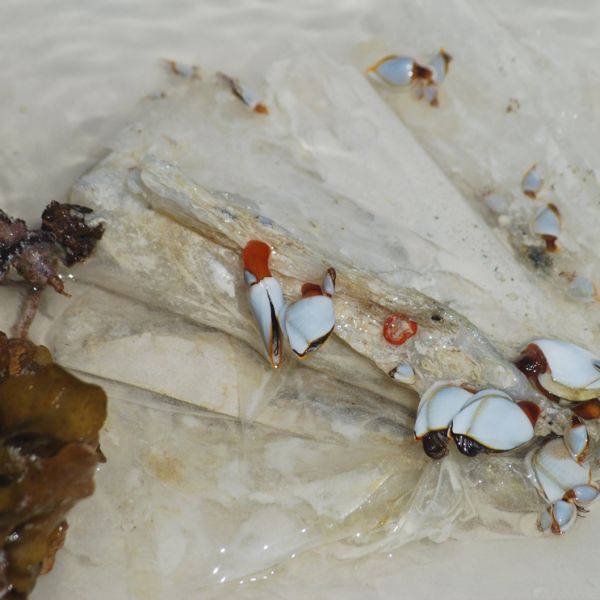
Encyclopedic Entry: Great Pacific Garbage Patch
The Great Pacific Garbage Patch is a collection of marine debris in the North Pacific. Marine debris is litter that ends up in the ocean, seas, and other large bodies of water.
Encyclopedic Entry: Pollution
Pollution is the introduction of harmful materials into the environment. These harmful materials are called pollutants.
SAAM: Science and Technology Through Art
Discover how you can integrate American art into your classroom. The Smithsonian American Art Museum’s educational materials are free for your use. Teacher Guides are downloadable PDFs, listed with corresponding standards and grade levels for your convenience.
Geography Standard 14: Human Modification of Environment
How human actions modify the physical environment.