climate
Resources
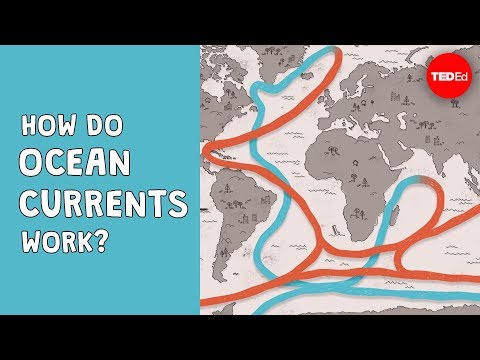
TED-Ed: How Do Ocean Currents Work?
In 1992, a cargo ship carrying bath toys got caught in a storm. Shipping containers washed overboard, and the waves swept 28,000 rubber ducks and other toys into the North Pacific. But they didn’t stick together -- the ducks have since washed up all over the world. How did this happen? Jennifer Verduin dives into the science of ocean currents.
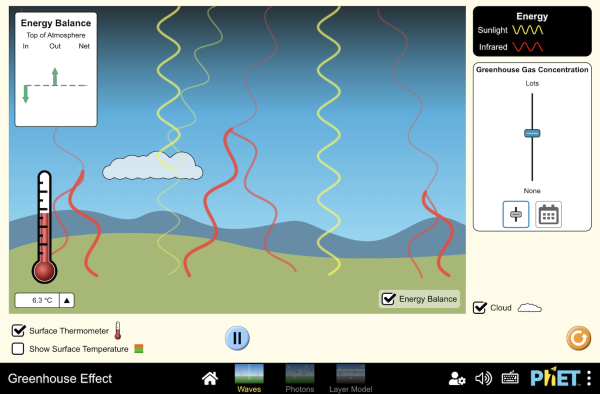
PhET: Greenhouse Effect
How do greenhouse gases affect the climate? Explore the atmosphere during the ice age and today. What happens when you add clouds? Change the greenhouse gas concentration and see how the temperature changes.

TED-Ed: Earth & Space Science Lessons
TED-Ed celebrates the ideas of teachers and students around the world. Discover hundreds of animated lessons, create customized lessons, and share your big ideas.
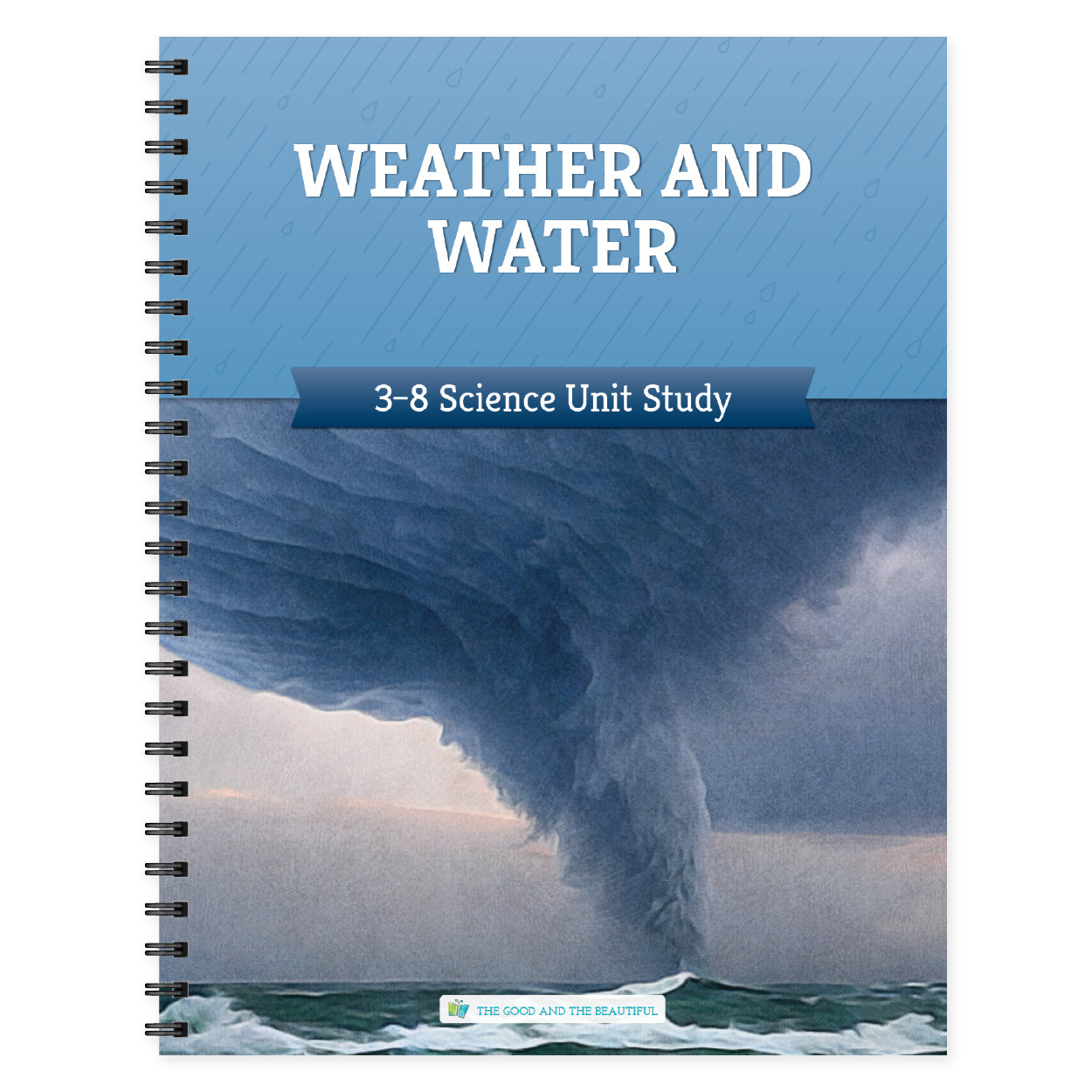
The Good and the Beautiful Weather and Water
The full-color course book guides the parent through each lesson in the Weather and Water science course. Hands-on activities, engaging videos, vocabulary words, beautiful illustrations and images, along with engaging information is found throughout the course. Once you gather any simple lesson supplies, the lessons ar
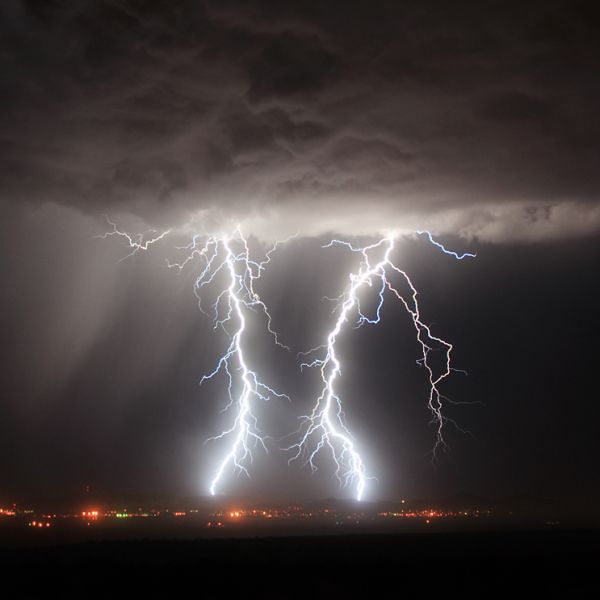
Encyclopedic Entry: Weather
One of the first things you probably do every morning is look out the window to see what the weather is like
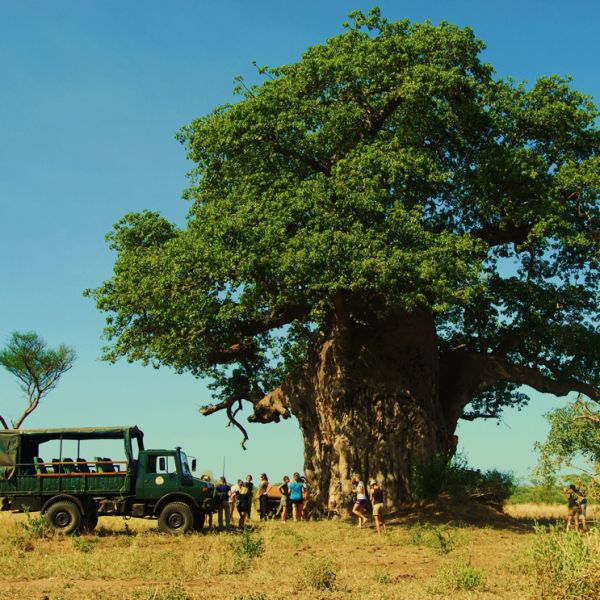
Africa: Physical Geography
Africa, the second-largest continent on Earth, is characterized by eight major physical regions, each with its own unique animal, plant, and human communities.
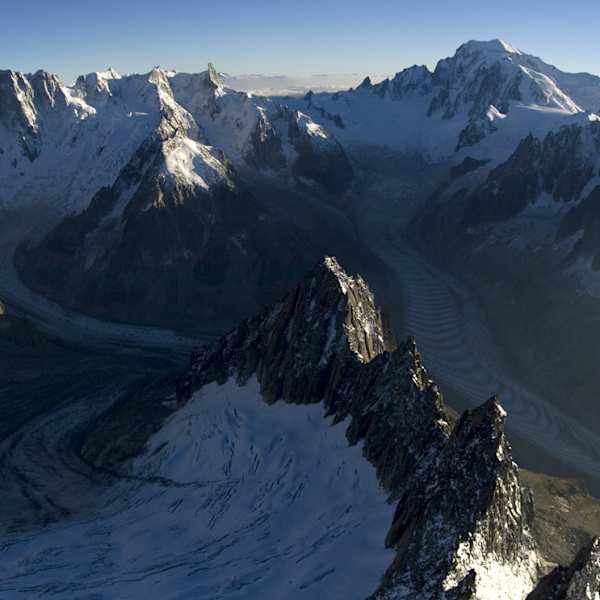
Europe: Physical Geography Unit
Europe is the western peninsula of the giant "supercontinent" of Eurasia.
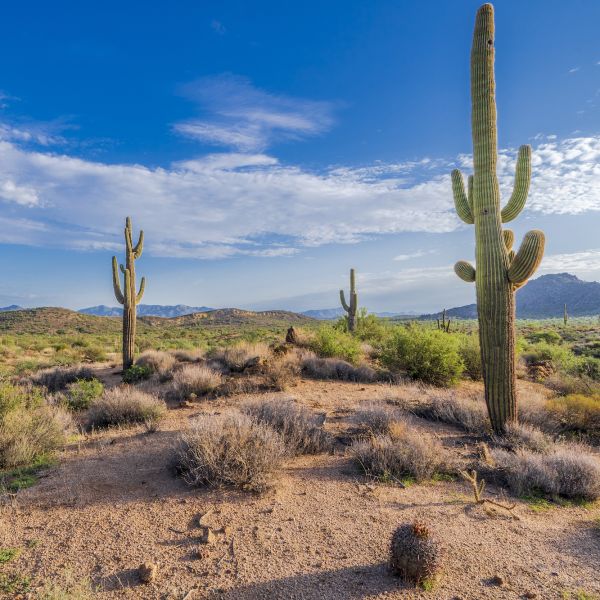
North America: Physical Geography
North America, the third-largest continent, extends from the tiny Aleutian Islands in the northwest to the Isthmus of Panama in the south.
