Discover Resources
Browse curated homeschool resources from the community
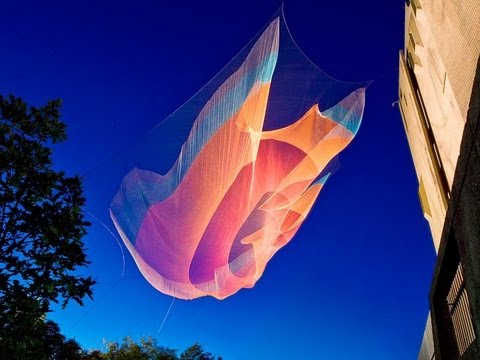
Janet Echelman Taking Imagination Seriously
Janet Echelman found her true voice as an artist when her paints went missing -- which forced her to look to an unorthodox new art material. Now she makes billowing, flowing, building-sized sculpture with a surprisingly geeky edge. A transporting 10 minutes of pure creativity.
How Did Polynesian Wayfinders Navigate the Pacific Ocean Alan Tamayose and Shantell De Silva
Imagine setting sail from Hawaii in a canoe. Your target is a small island thousands of kilometers away in the middle of the Pacific Ocean — a body of water that covers more than 160 million square kilometers. For thousands of years, Polynesian navigators managed voyages like this without the help of modern navigational aids. How did they do it? Alan Tamayose and Shantell De Silva explain.
The Real Reason Dodo Birds Went Extinct Leon Claessens
Dodos are commonly considered brainless, blundering birds that were poorly adapted and doomed to die off, making their human-mediated extinction effortless and inevitable. But that’s not the case. So, what were dodos actually like? And what really caused their downfall? Leon Claessens uncovers the truth about these misunderstood and maligned creatures.

The Cancer Gene We All Have Michael Windelspecht
Within every cell in our body, two copies of a tumor suppressor gene called BRCA1 are tasked with regulating the speed at which cells divide. Michael Windelspecht explains how these genes can sometimes mutate, making those cells less specialized and more likely to develop into cancer.
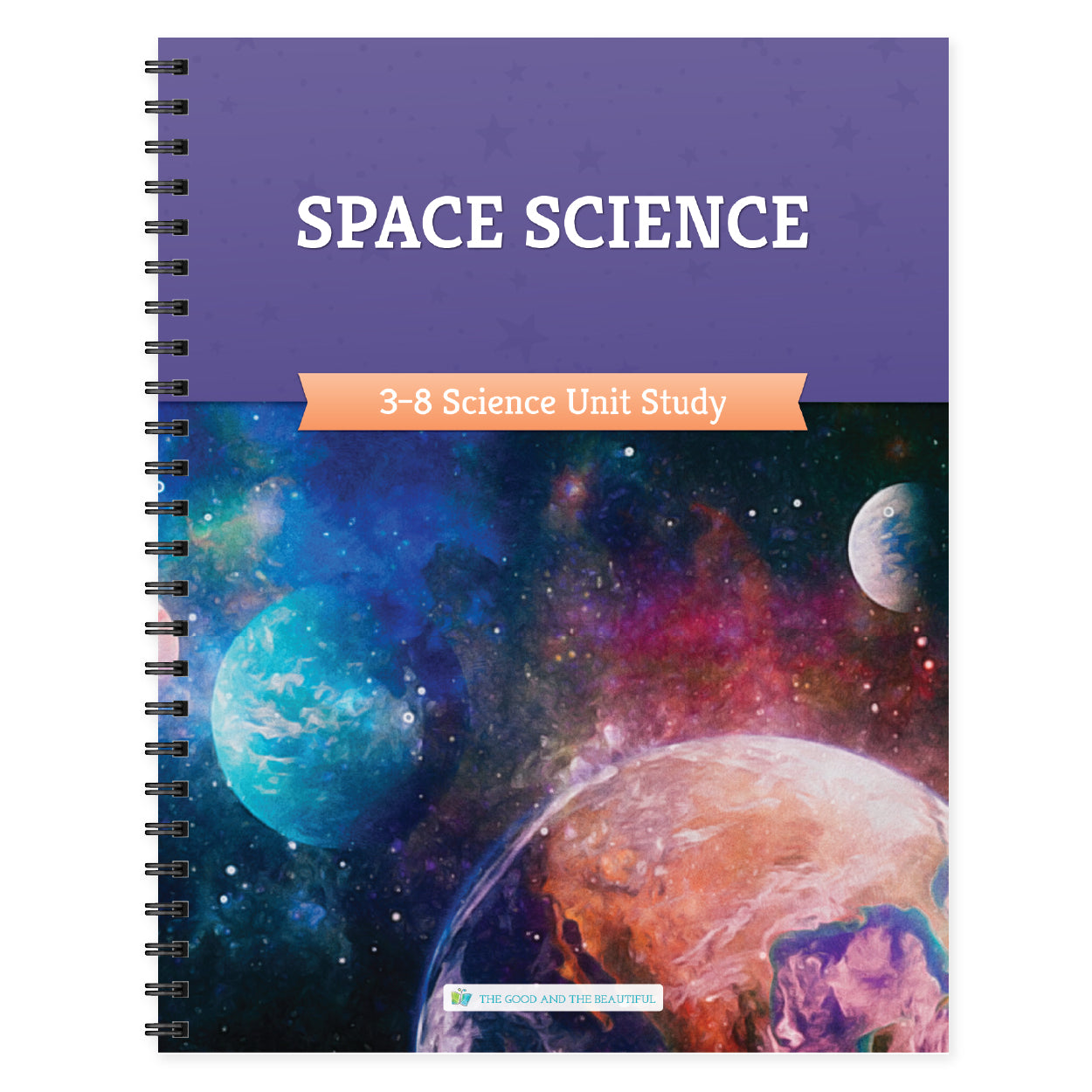
The Good and the Beautiful Space Science
The full-color course book guides the parent through each lesson in the Space Science course. Hands-on activities, vocabulary words, access to captivating videos, vocabulary words, mini books, beautiful illustrations and images, along with engaging information is found throughout the course. Once you gather any simple
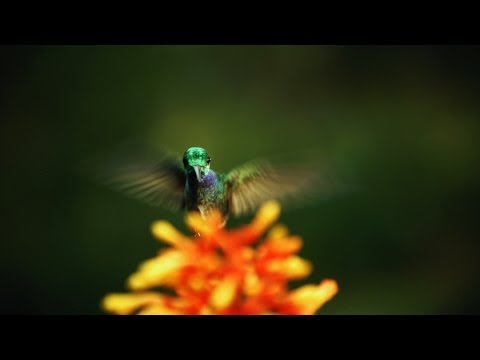
The Hidden Beauty of Pollination Louie Schwartzberg
Pollination: it's vital to life on Earth but largely unseen by the human eye. Filmmaker Louie Schwartzberg shows us the intricate world of pollen and pollinators with gorgeous high-speed images from his film "Wings of Life," inspired by the vanishing of one of nature's primary pollinators, the honeybee.

Venom Spurs Duck Bills and Spiky Penises a Year in the Life a Platypus Gilad Bino
Waddling along the parched Australian earth, a female platypus is searching for fresh water. Over the past year, a severe drought turned rivers and streams to mere trickles. She barely survived and was unable to reproduce. Could the next year bring a change in luck? Gilad Bino traces a year in the life of a platypus, and explores the unique adaptations that ensure this ancient species' survival.

How Do Animals Experience Pain Robyn J Crook
Humans know the surprising prick of a needle, the searing pain of a stubbed toe, and the throbbing of a toothache. We can identify many types of pain and have multiple ways of treating it — but what about other species? How do the animals all around us experience pain? Robyn J. Crook examines pain in both vertebrate and invertebrate animals.
Beware of Nominalizations Aka Zombie Nouns Helen Sword
Few mistakes sour good writing like nominalizations, or, as Helen Sword likes to call them, zombie nouns. Zombie nouns transform simple and straightforward prose into verbose and often confusing writing. Keep your nouns away from elongating nominalizations!
What s the Difference Between Accuracy and Precision Matt Anticole
When we measure things, most people are only worried about how accurate, or how close to the actual value, they are. Looking at the process of measurement more carefully, you will see that there is another important consideration: precision. Matt Anticole explains what exactly precision is and how can help us to measure things better.
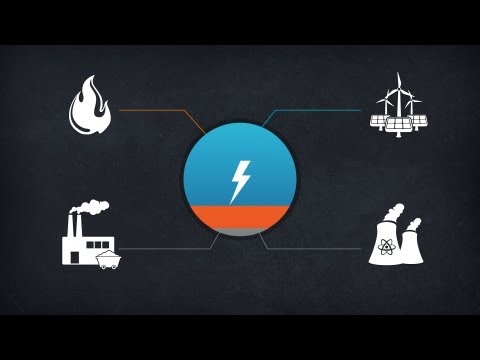
A 40 Year Plan for Energy Amory Lovins
In this intimate talk filmed at TED's offices, energy innovator Amory Lovins shows how to get the US off oil and coal by 2050, $5 trillion cheaper, with no Act of Congress, led by business for profit. The key is integrating all four energy-using sectors—and four kinds of innovation.

Particles and Waves the Central Mystery of Quantum Mechanics Chad Orzel
One of the most amazing facts in physics is that everything in the universe, from light to electrons to atoms, behaves like both a particle and a wave at the same time. But how did physicists arrive at this mind-boggling conclusion? Chad Orzel recounts the string of scientists who built on each other’s discoveries to arrive at this ‘central mystery’ of quantum mechanics.
Can We Grow Human Brains Outside Our Bodies Madeline Lancaster
Shielded by our thick skulls and swaddled in layers of protective tissue, the human brain is extremely difficult to observe in action. Luckily, scientists can use brain organoids — pencil-eraser-sized masses of cells that function like human brains but aren’t part of an organism — to look closer. How do they do it? And is it ethical? Madeline Lancaster shares how to make a brain in a lab.

How Green Hydrogen Could End the Fossil Fuel Era
As climate change accelerates, finding clean alternatives to fossil fuels is more urgent than ever. Social entrepreneur Vaitea Cowan believes green hydrogen is the answer. Watch as she shares her team's work mass producing electrolyzers and shows how they could help make green, carbon-free fuel affordable and accessible for everyone.
What s Hidden Among the Tallest Trees on Earth Wendell Oshiro
When Stephen Sillett was a boy, he took to the forests of Pennsylvania with his brother and grandmother. Looking up into the dense branches and leaves, his curiosity was piqued: What was hidden up there? Wendell Oshiro tells the story of an adult Sillett’s bold (if not a little dangerous) exploration of the canopy of an ancient redwood and details some of the fascinating discoveries he made.
What Was the Point of the Space Race Jeff Steers
On October 4, 1957, the Soviet Union launched the satellite Sputnik and, with it, an international space race. The United States and the Soviet Union rushed to declare dominance of space for 18 years, until the two countries agreed to a more collaborative model. The real winner? Science. Jeff Steers describes the history -- and the benefits -- of the space race.