unit
Resources
Distribution of Natural Resources Unit
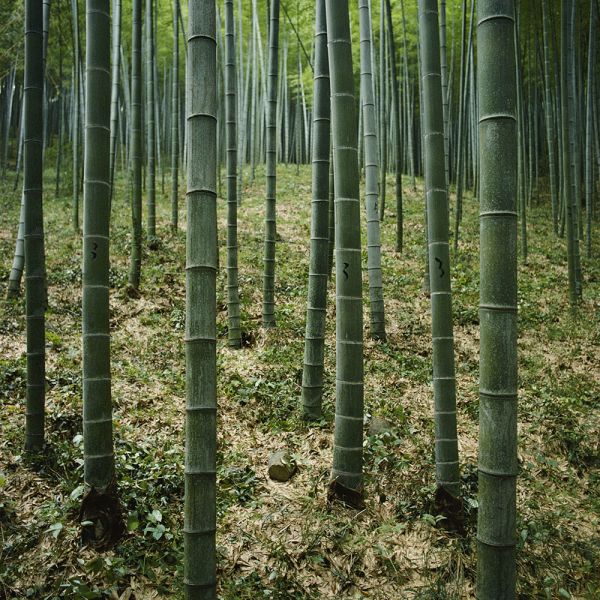
Different regions have access to different renewable or nonrenewable natural resources such as freshwater, fossil fuels, fertile soil, or timber based on their geographic location and past geologic processes. Access, or the lack thereof, contributes to a place’s economic development, political relationships, and culture. For example, the Great Plains region of the United States is known for its abundance of fertile soil. As a result, its main industry is agriculture. Corn, soybeans, and wheat are globally exported from this region and serve as the main economy. On the other side of the spectrum, the desert southwestern region of the United States depends on the Central Arizona Project canals to transport water from the Colorado River in order to support agriculture and urban areas. Arizona’s right to use water from this river stems from the Colorado Compact, an agreement established in 1922.
Europe: Human Geography Unit
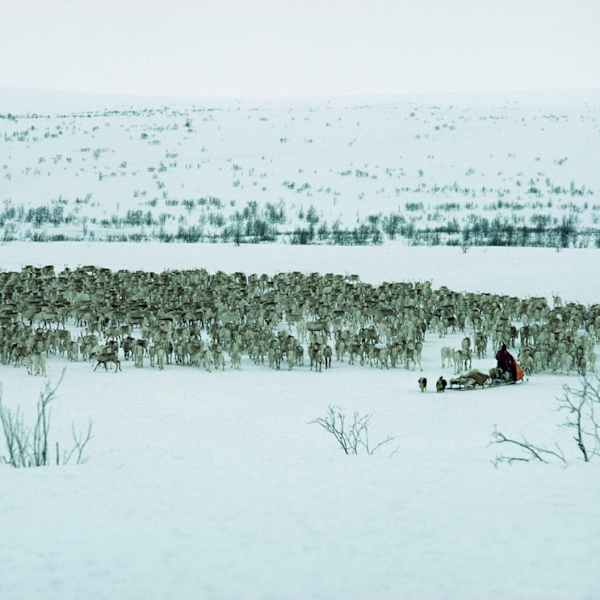
Europe has a long history of human development and is considered the birthplace of Western Civilization.
Managing Resources Unit
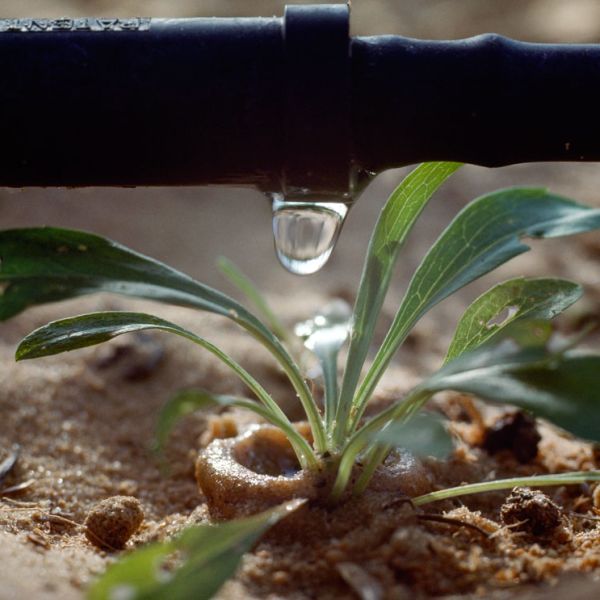
Individuals, communities, and countries depend on a variety of different resources to help them thrive: electricity, timber, oil, water, and food, to name a few. Because these basic resources are such a large part of our daily lives, it is important that we manage them responsibly to ensure future generations have what they need. Human civilization heavily impacts the environment and the rich natural resources we depend on. All communities face the challenge of managing resources responsibly, not only for themselves, but for the sake of the world around them. Learn more about how individuals and communities can manage their resources to support themselves and the world around them.
Europe: Physical Geography Unit
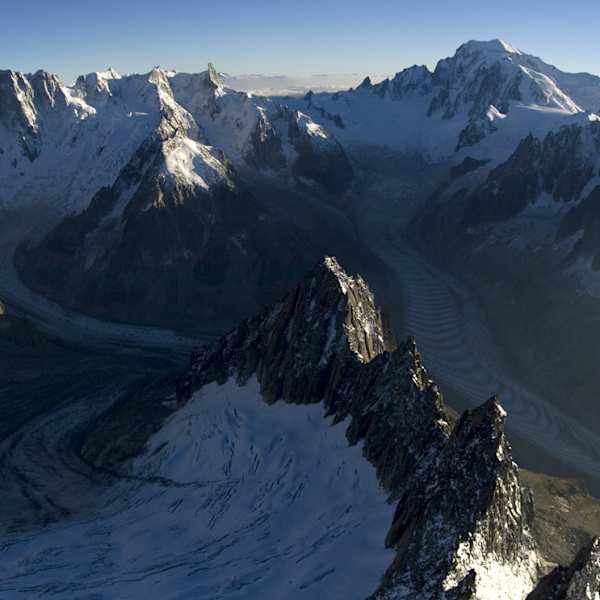
Europe is the western peninsula of the giant "supercontinent" of Eurasia.