civics
Resources
View all
Should You Be Suing Your Government Shannon Odell
Since 2015, an unprecedented movement has been sweeping courts around the world. Groups of young plaintiffs are suing their governments for their inaction on tackling climate change. These suits argue that climate inaction violates their basic human rights. But what do human rights have to do with the environment? Shannon Odell examines our right to a healthy environment, food, health, and water.

How is power divided in the United States government? - Belinda Stutzman
Learn about the three branches of government.

TED-Ed: Democracy Is Being Tested. Citizen Assemblies Can Help
How can everyday people help foster and protect democracy? Detailing her work fighting for people power as an activist in Madagascar, Ketakandriana Rafitoson discusses how citizen assemblies — meetings where ordinary citizens get educated about democracy — empower communities to protect their rights, debate important civic questions and take action to create a brighter future.

TED-Ed: Civics Lessons
TED-Ed celebrates the ideas of teachers and students around the world. Discover hundreds of animated lessons, create customized lessons, and share your big ideas.
TED-Ed: How Do Governments Create Money?
In March 2020, the COVID-19 pandemic rocked economies worldwide. Millions of people lost their jobs, and many businesses struggled to survive or shut down. Governments responded with some of the largest economic relief packages in history— the US alone spent $2.2 trillion on a first round of relief. So where did all this money come from? Jonathan Smith explores the strategy of quantitative easing.
Does Your Vote Count the Electoral College Explained Christina Greer
You vote, but then what? Discover how your individual vote contributes to the popular vote and your state’s electoral vote in different ways--and see how votes are counted on both state and national levels.

What Happened to Trial by Jury Suja a Thomas
In the United States today, juries decide less than 4% of criminal cases and less than 1% of civil cases filed in court. At the same time, jury systems in other countries are growing. So what happened in the US? And could the disappearance of juries be a good thing? Suja A. Thomas explores both sides of this dilemma.

TED-Ed: How Does Money Laundering Work?
Money laundering is the term for any process that “cleans” illegally obtained funds of their “dirty” criminal origins, allowing them to be used within the legal economy. And the practice is about as old as money itself. But how does it actually work? Delena D. Spann describes the ins and outs of money laundering.
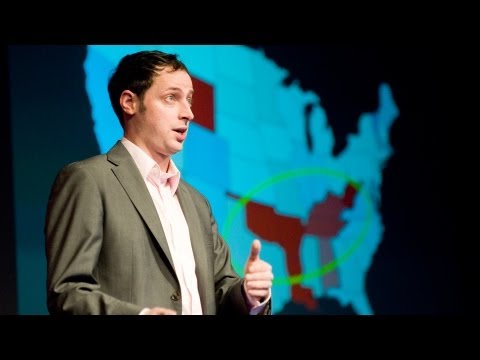
Does Racism Affect How You Vote Nate Silver
Nate Silver has data that answers big questions about race in politics. For instance, in the 2008 presidential race, did Obama's skin color actually keep him from getting votes in some parts of the country? Stats and myths collide in this fascinating talk that ends with a remarkable insight.
Gerrymandering How Drawing Jagged Lines Can Impact an Election Christina Greer
District lines, and the groups of voters within them, may seem arbitrary, but a lot of thought (and political bickering) is put into these carefully drawn lines. From “packing” a district to “cracking” a district--learn how the shape of districts impacts political parties during election season.

Madeleine Albright on Being a Woman and a Diplomat
In a frank and funny Q&A with Pat Mitchell from the Paley Center, former U.S. Secretary of State Madeleine Albright talks bluntly about politics and diplomacy, making the case that women's issues deserve a place at the center of foreign policy. Far from being a "soft" issue, she says, women's issues are often the very hardest ones, dealing directly with life and death. Since leaving office as U.S. Secretary of State in 2001, Madeleine Albright has continued her distinguished career in foreign affairs as a businesswoman, political adviser and professor.

Easy Peasy Comparative Government (Geography and Cultures)
Found a problem? Check here. Credits: 1 Prerequisite: World History, Early American History Recommended: 11th or 12th Test Prep: American Government; will need to do some additional study on the po…