Discover Resources
Browse curated homeschool resources from the community
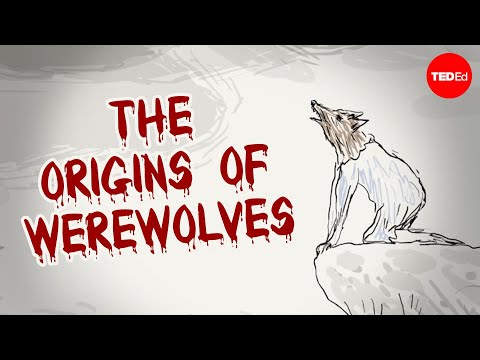
The Dark History of Werewolves Craig Thomson
Stories of werewolves have existed for thousands of years and continue to live on today. They’re especially prominent in European literature and folklore, and often found in cultures where the wolf is the largest natural predator. Over the years its image has continuously evolved, often reflecting the fears and prejudices of that time. Craig Thomson traces the history of werewolves.

PBS LearningMedia | Teaching Resources For Students And Teachers
Inspire your students with thousands of free teaching resources including videos, lesson plans, and games aligned to state and national standards.

The Merciless Mercenaries of the Italian Renaissance Stephanie Honchell Smith
During the 14th and 15th centuries, mercenaries known as condottieri dominated Italian warfare, profiting from— and encouraging— the region’s intense political rivalries. As rulers competed for power and prestige, their disputes often played out in military conflicts, fought almost entirely by the condottieri. So who were these elite and conniving warriors? Stephanie Honchell Smith investigates.

The Program That Brought Nazis to America Brian Crim
In May of 1945 the Third Reich was in chaos. Adolf Hitler was dead and German surrender was imminent. But while World War II was almost over, a new war was brewing. And the US was eager to recruit the smartest minds in Germany before the Soviets got the chance— regardless of their affiliation with the Nazis. This became known as Operation Paperclip. Brian Crim digs into the clandestine campaign.

History vs Richard Nixon Alex Gendler
The president of the United States of America is often said to be one of the most powerful positions in the world. But of all the US presidents accused of abusing that power, only one has left office as a result. Does Richard Nixon deserve to be remembered for more than the scandal that ended his presidency? Alex Gendler puts this disgraced president’s legacy on trial.

The Kingdom Hidden in Brazil Marc Adam Hertzman Flavio Dos Santos Gomes
In the 1600s, an expansive autonomous settlement called Palmares reached its height in Brazil. It was founded and led by people escaping from slavery, also called maroons. It was one of the world’s largest maroon communities, its population reaching beyond 10,000— and its citizens were at constant war with colonial forces. Marc Adam Hertzman & Flavio dos Santos Gomes tell the story of Palmares.
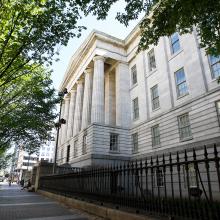
National Portrait Gallery Education
There are many ways to explore the lives of presidents, activists, renegades, artists, writers, and other Americans who have a place in our national story.
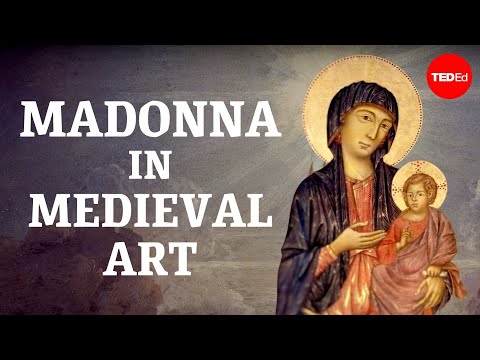
Distorting Madonna in Medieval Art James Earle
After Rome was destroyed, people were wary of attachment to physical beauty. As Christianity gained traction, Romans instead began to focus on the metaphysical beauty of virtue, and art began to follow suit. James Earle discusses how Medieval paintings of Madonna were affected by this shift.
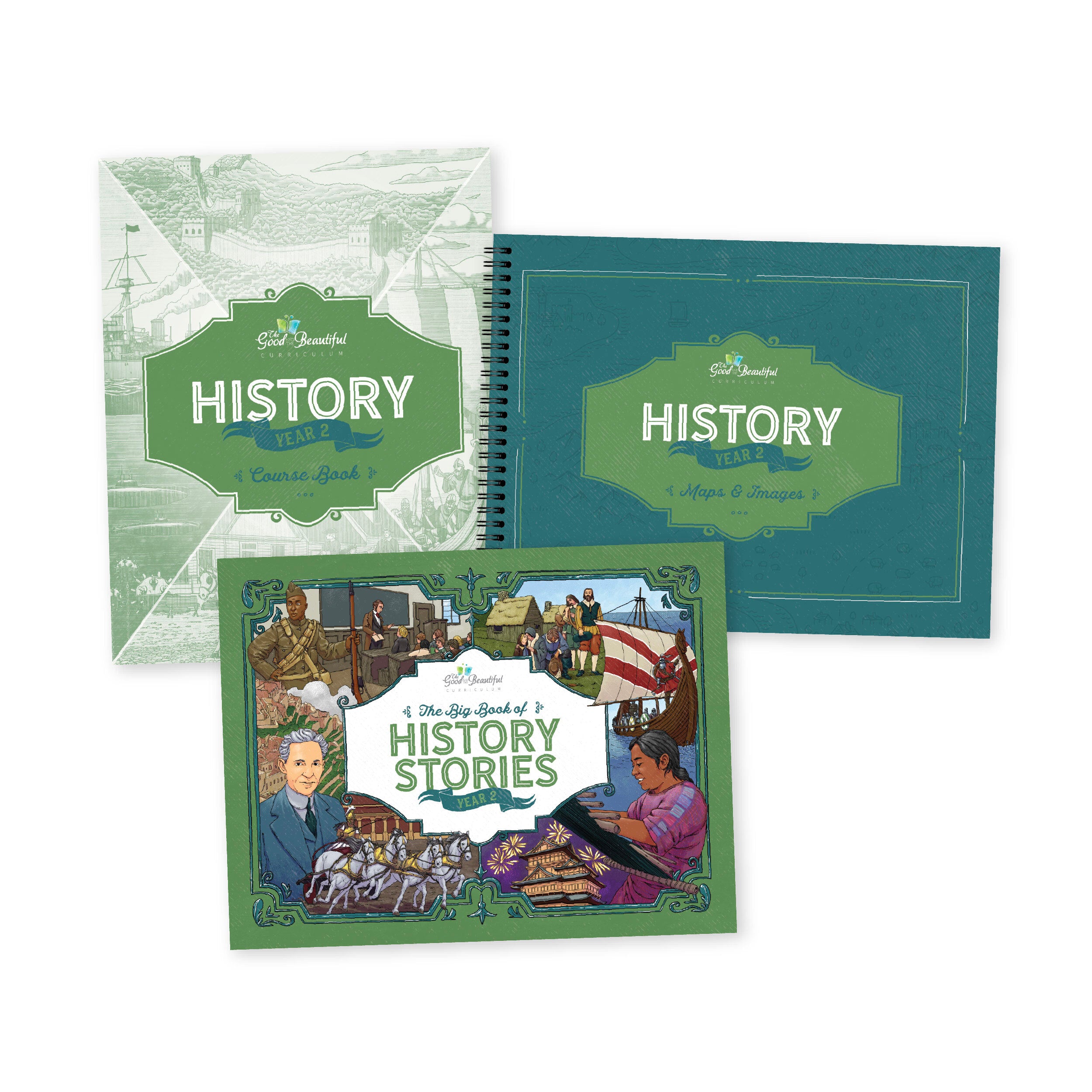
The Good and the Beautiful History Year 2
PLEASE NOTE: History Year 2 Family Set does NOT include the required Time Tunnel Review Cards needed for all 4 years of history. If you do not have the cards from a previous purchase of another year of History, they are available for purchase on the History Year 2 page. The Good and the Beautiful Year 2 History Course
Clay Shirky How Social Media Can Make History
While news from Iran streams to the world, Clay Shirky shows how Facebook, Twitter, and TXTs help citizens in repressive regimes report on real news, bypassing censors (however briefly). The end of top-down control of news is changing the nature of politics.
The Rise of Modern Populism Takis s Pappas
In many democratic countries, charismatic leaders vilify political opponents, disparage institutions, and claim to be for the people. Some critics label this approach as authoritarian or fascist, while others argue that these leaders are manipulating voters. This style of politics goes by the name of populism. Takis S. Pappas explores the phenomenon and the lasting impact it can have on a country.

The Silk Road History s First World Wide Web Shannon Harris Castelo
With modern technology, a global exchange of goods and ideas can happen at the click of a button. But what about 2,000 years ago? Shannon Harris Castelo unfolds the history of the 5,000-mile Silk Road, a network of multiple routes that used the common language of commerce to connect the world's major settlements, thread by thread.
History vs Thomas Jefferson Frank Cogliano
Thomas Jefferson, founding father of the United States and primary author of the Declaration of Independence, was part of America’s fight for freedom and equality. But in his personal life, he held over 600 people in slavery. Are his enlightened principles outweighed by his participation in a greater injustice? Frank Cogliano puts this controversial figure on trial in History vs. Thomas Jefferson.

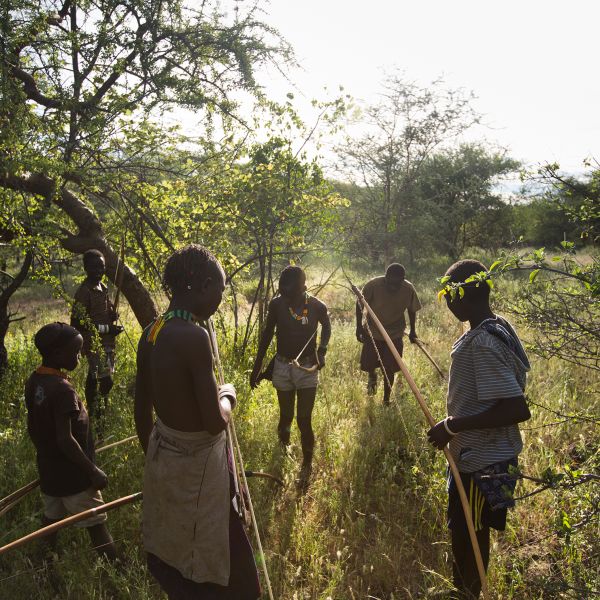
Encyclopedic Entry: Hunter-Gatherer Culture
Hunter-gatherer culture was the way of life for early humans until around 11,000 to 12,000 years ago. The lifestyle of hunter-gatherers was based on hunting animals and foraging for food.

Easy Peasy Comparative Government (Geography and Cultures)
Found a problem? Check here. Credits: 1 Prerequisite: World History, Early American History Recommended: 11th or 12th Test Prep: American Government; will need to do some additional study on the po…

History s Deadliest King Georges Nzongola Ntalaja
In 1904, Chief Lontulu laid 110 twigs in front of a foreign commission. Every twig represented a person in his village who died because of King Leopold’s brutal regime in the Congo. His testimony joined hundreds of others to help bring an end to one of the greatest atrocities in human history. Georges Nzongola-Ntalaja details the horrific abuses of Leopold’s occupation and looting of the Congo.
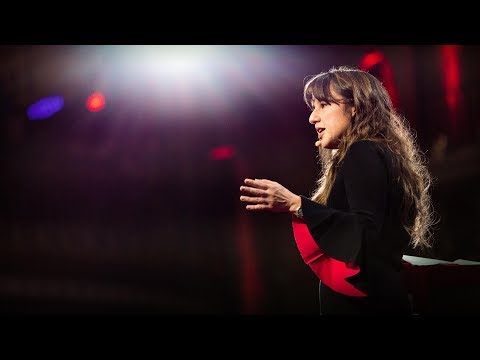
We Re Building a Dystopia Just to Make People Click on Ads Zeynep Tufekci
We're building an artificial intelligence-powered dystopia, one click at a time, says techno-sociologist Zeynep Tufekci. In an eye-opening talk, she details how the same algorithms companies use to get you to click on ads are also used to organize your access to political and social information. Tufekci shares how the powerful might use AI to control us— and what we can do in response.
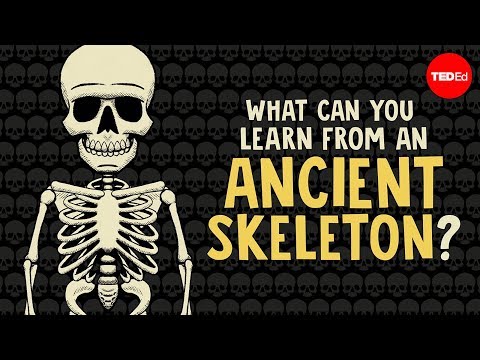
What Can You Learn from Ancient Skeletons Farnaz Khatibi
Ancient skeletons can tell us a great deal about the past, including the age, gender and even the social status of its former owner. But how can we know all of these details simply by examining some old, soil-caked bones? Farnaz Khatibi examines a fascinating branch of science known as biological anthropology.

The History of Tattoos Addison Anderson
If you have a tattoo, you’re part of a rich cultural history that dates back at least 8,000 years. Where did this practice of body modification come from, and how has its function changed over time? Addison Anderson tracks the history of getting inked.

The Story Behind the Boston Tea Party Ben Labaree
In 1773, American colonists were taxed heavily for importing tea from Britain. The colonists, not fans of "taxation without representation", reacted by dumping tea into the Boston Harbor, a night now known as the Boston Tea Party. Ben Labaree gets into the nitty-gritty of that famous revolutionary act.