Discover Resources
Browse curated homeschool resources from the community

History s Deadliest Colors J V Maranto
When radium was first discovered, its luminous green color inspired people to add it into beauty products and jewelry. It wasn’t until much later that we realized that radium’s harmful effects outweighed its visual benefits. Unfortunately, radium isn’t the only pigment that historically seemed harmless or useful but turned out to be deadly. J. V. Maranto details history’s deadliest colors.

History vs Augustus Alex Gendler and Peta Greenfield
His reign marked the beginning of one of history’s greatest empires … and the end of one of its first republics. Was Rome’s first emperor a visionary leader who guaranteed his civilization’s place in history, or a tyrant who destroyed its core values? Peta Greenfield and Alex Gendler put this controversial figure on trial in History vs. Augustus.

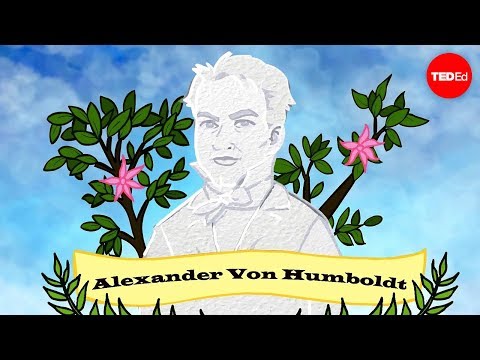
Who is Alexander Von Humboldt George Mehler
Have you heard of Alexander von Humboldt? Not likely. The geologist turned South American explorer was a bit of an 18th century super scientist, traveling over 24,000 miles to understand the relationship between nature and habitat. George Mehler details Humboldt’s major accomplishments and why we should care about them today.
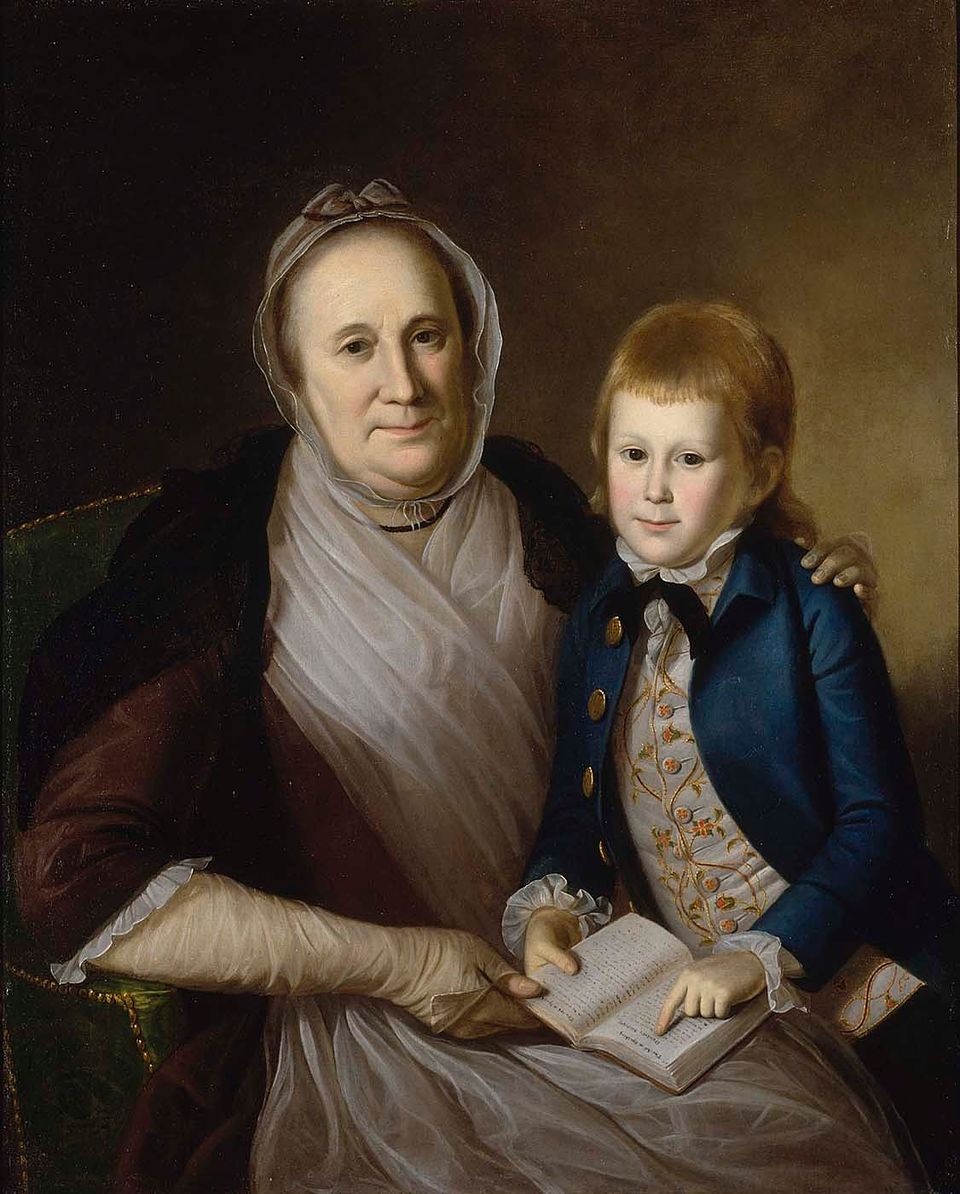
SAAM: History and Social Studies Through Art
Discover how you can integrate American art into your social studies classroom. The Smithsonian American Art Museum's educational materials are free for your use. Teacher Guides are downloadable PDFs, listed with corresponding standards and grade levels for your convenience.
Easy Peasy History — Early American (Levels 1-8)
Found a problem? Check here. We have compiled all of the worksheets used in this course. You can print them yourself or purchase them bound in book form. These are NOT a full offline course, just t…
A Brief History of Spanish Ilan Stavans
Beginning in the third century BCE, the Romans conquered the Iberian peninsula. This period gave rise to several regional languages in the area that’s now Spain, including Castilian, Catalan, and Galician. One of these would become Spanish— but not for another 1,500 years. Those years tell the origin story of what’s become a global modern language. Ilan Stavans traces the evolution of Spanish.

How Horses Changed History William T Taylor
People have been captivated by horses for a long time. They appear more than any other animal in cave paintings dating back 30,000 years. But how did horses make the journey from wild animals to ones humans could hitch themselves to and even ride? William T. Taylor explores how the domestication of horses influenced the fate of entire civilizations and dramatically altered human history.
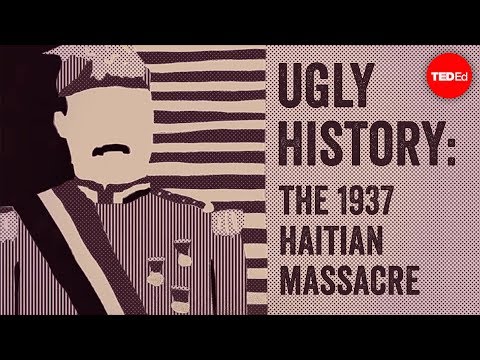
Ugly History the 1937 Haitian Massacre Edward Paulino
When historians talk about the atrocities of the 20th century, we often think of those that took place during and between the two World Wars. But two months before the Rape of Nanking in China, and a year before Kristallnacht in Germany, a horrific ethnic cleansing campaign occurred on an island between the Atlantic Ocean and Caribbean Sea. Edward Paulino details the 1937 Haitian Massacre.

How Did Ancient Civilizations Make Ice Cream Vivian Jiang
Ice cream has a unique role in our world’s history, culture, and cravings. The first accounts of cold desserts date back to the first century, in civilizations including ancient Rome, Mughal India, and Tang Dynasty China. Yet the cream-based delicacy we know today made a much later debut. So, how did the delicious sweet treat come to be? Vivian Jiang shares the scoop on the history of ice cream.

The Rise and Fall of History s First Empire Soraya Field Fiorio
History’s first empire rose out of a hot, dry landscape, without rainfall to nourish crops, without trees or stones for building. In spite of all this, its inhabitants built the world’s first cities, with monumental architecture and large populations— and they built them entirely out of mud. Soraya Field Fiorio details the rise and fall of the Sumerian empire.

Let s Make History by Recording it Storycorps Ted Prize
What if Anne Frank hadn’t kept a diary? What if no one could listen to Martin Luther King’s Mountaintop speech? What if the camera hadn’t been rolling during the first moon landing? Actively listening to the voices of the past and the people who matter to us is important, and StoryCorps wants you to lend your voice to history, too. Here's how.
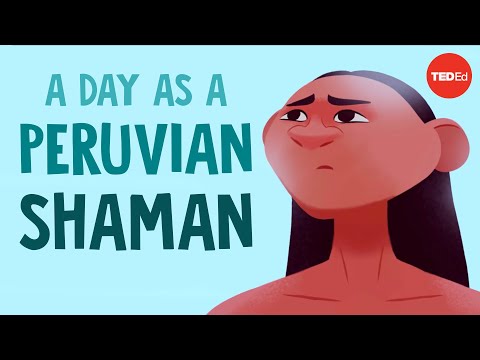
A Day in the Life of an Ancient Peruvian Shaman Gabriel Prieto
The year is 1400 BCE. At the temple of the fisherman, the morning is unusually still and this is just the latest in a series of troubling signs for Quexo, the village shaman. The villagers live off the sea, but this year the winds have died and the fish have dwindled. He’s seen this before— his only hope to fix it is a special ritual. Gabriel Prieto outlines a day in the life of a Peruvian shaman.

The Rebel Radio That Brought Down a War Criminal Diana Sierra Becerra
Since the 1800s, a handful of oligarchs had controlled nearly all of El Salvador’s land, forcing laborers to work for almost nothing. But in 1980, farmers and urban workers formed guerrilla groups to overthrow the US-backed dictatorship. These revolutionaries were attacked from every direction, but a group of rebels refused to be silenced. Diana Sierra Becerra shares the story of Radio Venceremos.
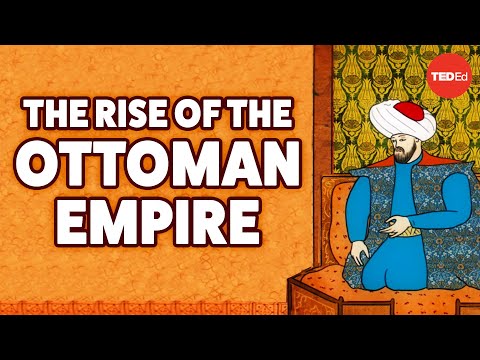
The Rise of the Ottoman Empire Mostafa Minawi
In the late 13th century, Osman I established a small principality sandwiched between a crumbling Byzantine Empire and a weakened Sultanate of the Seljuk of Rum, in what is now Turkey. In just a few generations, this territory had outmaneuvered more powerful neighbors to become the vast Ottoman Empire. What enabled its rapid rise? Mostafa Minawi details the early days of the Ottomans.

The Mayan Myth of the Morning Star
Chak Ek’, the morning star, rose from the underworld to the surface of the eastern sea and on into the heavens. His brother K’in Ahaw, the sun, followed. Though Chak Ek’ had risen first, K’in Ahaw outshone him, and the resentful Chak Ek’ descended back to the underworld to plot against his brother and his allies. Gabrielle Vail details the Maya myth of the morning star.
Crash Course History of Science
The development of scientific thought through history.
Crash Course Black American History
African American history from 1619 to the present day.